
What Is Santo Nino De Atocha Known For
Ever heard of the Santo Niño de Atocha? No? Well, pull up a chair, grab a virtual cafecito, and let's dive into the story of this super interesting and, dare I say, cool Catholic image. He's way more than just a statue; he's a symbol of hope, protection, and answering prayers, especially for those in need.
So, what is the Santo Niño de Atocha known for? Think of him as the ultimate helper, the pint-sized protector who lends a hand when you're feeling lost, imprisoned, or just plain stuck. That's his main gig!
The Boy Who Walks
The legend goes way back to the town of Atocha, Spain, during the Moorish occupation. Christian men were imprisoned, and their families were desperate. Food was scarce, and visits were limited. But then, a young boy, dressed as a pilgrim, started appearing. He brought food and water to the prisoners, offering comfort and hope.
Must Read
Where did he come from? No one knew! He just showed up, did his good deed, and vanished. People quickly realized this wasn’t just any kid. They believed it was the child Jesus himself, miraculously helping those in need. Pretty amazing, right?
That’s the core of the Santo Niño de Atocha's fame: His tireless work of mercy and his willingness to help those in dire situations. He's like a tiny, divine superhero, constantly on the lookout for people who need a boost. He is always ready to assist.

More Than Just Prisons
While the Santo Niño de Atocha is strongly associated with prisoners and the wrongly accused, his reach extends far beyond prison walls. Think of him as a spiritual AAA – ready to assist with any roadside emergency, but for your soul. He is a powerful advocate. He's known for helping travelers, protecting children, and interceding in cases of illness. Basically, if you're facing a tough situation and need a little divine intervention, many turn to him.
Why do people believe in his help? Well, that's where faith comes in. Millions have reported answered prayers and miraculous interventions attributed to the Santo Niño. It’s about believing that even in the darkest times, there's a source of light and hope watching over you. It's a really inspiring idea, isn't it?

Symbols and Swag
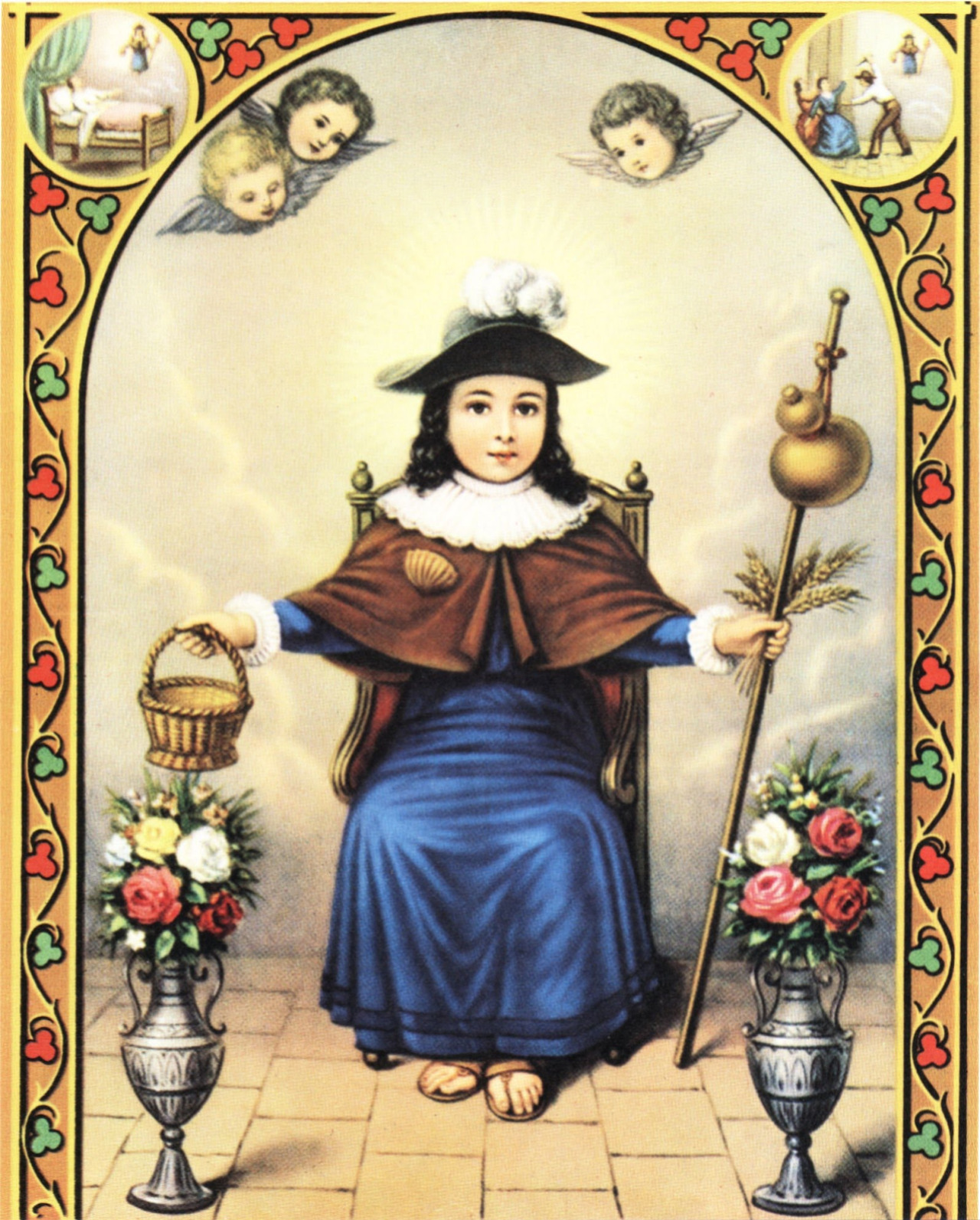
Let's talk about his look! The Santo Niño de Atocha is typically depicted as a young boy dressed in pilgrim's clothing. He wears a wide-brimmed hat with a feather, carries a basket of bread and a gourd of water, and holds a staff. Those symbols are super important!
- The basket of bread represents sustenance and provision.
- The gourd of water symbolizes quenching thirst, both literally and figuratively.
- The pilgrim's staff signifies guidance and support on life's journey.
It's a pretty iconic image, right? He's like a miniature, divinely-powered Indiana Jones, but instead of raiding tombs, he's rescuing souls! It shows the depth of who he is.
Beyond Spain: A Global Phenomenon
The devotion to the Santo Niño de Atocha isn't confined to Spain. It spread throughout Latin America, particularly in Mexico, and has now reached communities all over the world. Think of him as a spiritual ambassador, crossing borders and cultures to offer his help to anyone who needs it. So amazing!
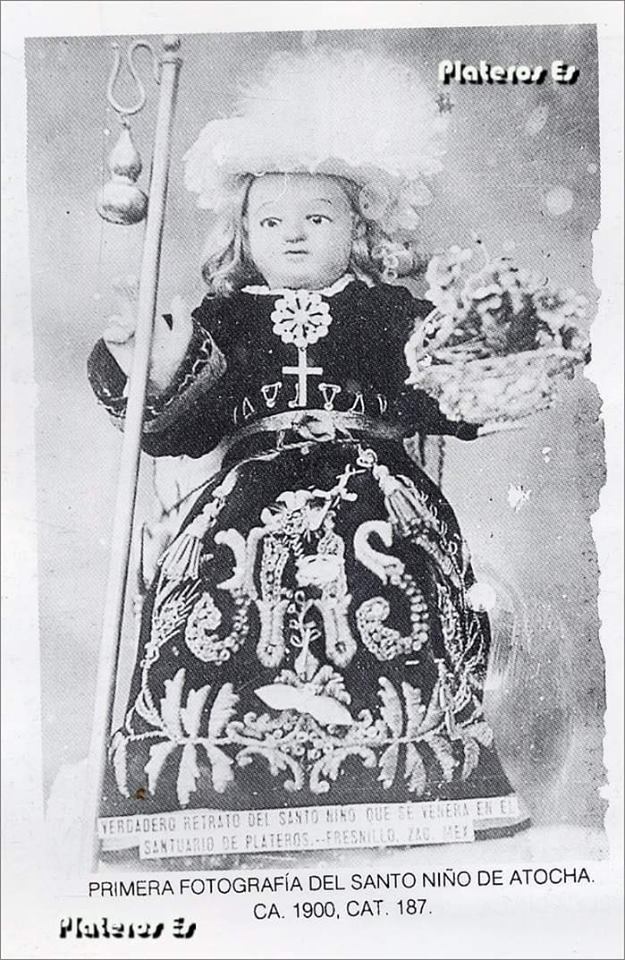
You'll find churches and shrines dedicated to him, filled with offerings and prayers from grateful devotees. People leave candles, flowers, and even little toys as tokens of appreciation for his help. He has touched so many lives.
Why Is He Still Relevant Today?
In a world that can often feel chaotic and uncertain, the Santo Niño de Atocha provides a sense of comfort and hope. He's a reminder that even when things seem impossible, there's always someone watching over us, ready to lend a hand. He brings peace to many.

His message of compassion and service is timeless. He encourages us to look out for those in need, to offer support and kindness, and to never give up hope. And that, my friends, is something we can all get behind. Isn't it wonderful?
So, next time you hear about the Santo Niño de Atocha, remember him not just as a religious figure, but as a symbol of hope, a champion of the oppressed, and a reminder that even the smallest among us can make a huge difference.
Keep exploring, keep learning, and keep believing in the power of good! He is known for this reason.