What Is O Farming And How Does It Work
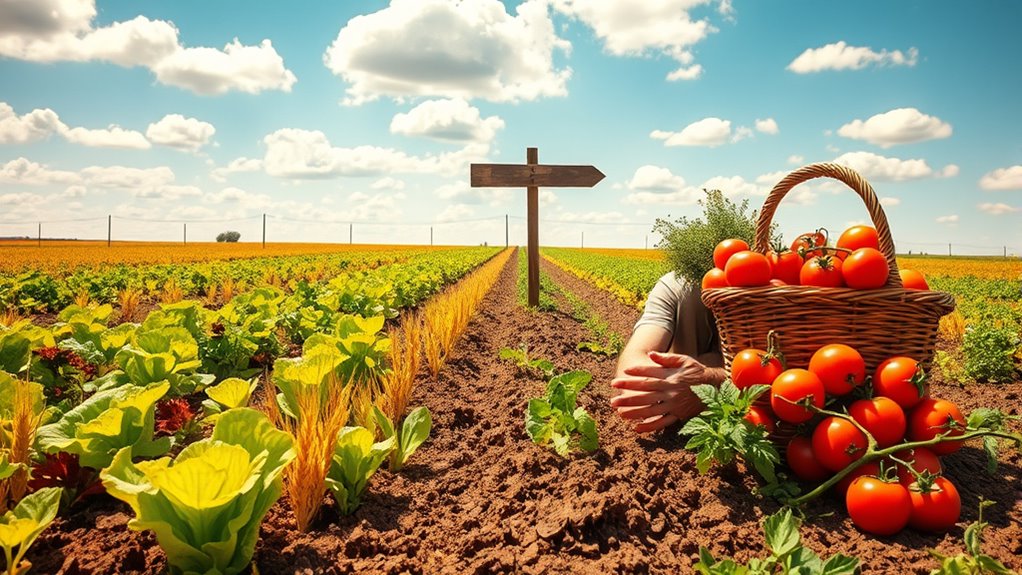
Ever heard of 'O Farming' and thought it sounded like some kind of secret, futuristic agricultural technique? Well, while it might not involve lasers or genetically modified super-crops (yet!), it's still a pretty cool concept that's gaining popularity. Why? Because it’s all about making the most of resources, reducing waste, and creating a more sustainable food system. So, what exactly is O Farming, and how does it work its magic?
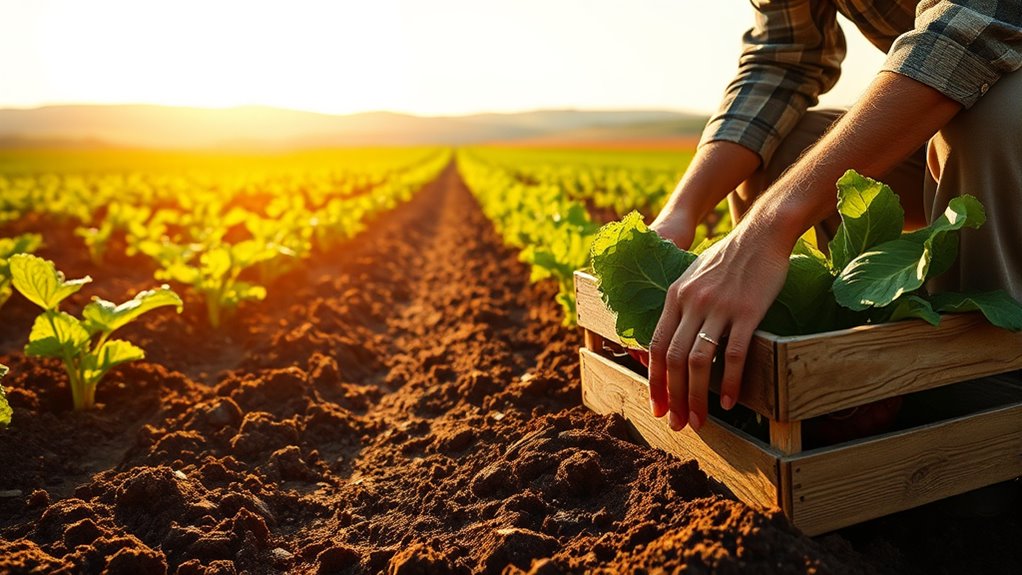
At its heart, O Farming, or Organic Farming, is an agricultural system that prioritizes the health of the soil, the environment, and the people who eat the food produced. Forget about relying on synthetic pesticides, herbicides, or fertilizers. Instead, O Farming uses natural processes and materials to nurture crops and manage pests.
But how does it actually work in practice? It's a multi-faceted approach that encompasses several key techniques. Firstly, there's a strong emphasis on soil health. Healthy soil is teeming with life – beneficial bacteria, fungi, and earthworms – that break down organic matter, release nutrients, and improve soil structure. Organic farmers achieve this through practices like crop rotation (planting different crops in sequence to avoid depleting the soil of specific nutrients), composting (recycling organic waste into nutrient-rich fertilizer), and cover cropping (planting specific crops to protect and enrich the soil). These methods not only improve soil fertility but also help retain water and reduce erosion.
Must Read
Secondly, pest and weed management is a crucial aspect. Instead of spraying synthetic pesticides, organic farmers rely on preventative measures and natural solutions. This might involve introducing beneficial insects that prey on pests, using crop covers to protect plants, hand-weeding, or employing techniques like companion planting (growing different plants together that benefit each other). The goal is to create a balanced ecosystem where pests and weeds are kept in check without harming the environment or human health.

The benefits of O Farming are numerous. For starters, it leads to healthier food. Because organic crops aren't treated with synthetic pesticides, they often contain lower levels of pesticide residues. Plus, some studies suggest that organic produce may have higher levels of certain nutrients. Beyond personal health, O Farming has significant environmental benefits. It reduces pollution of waterways, protects biodiversity, and contributes to healthier ecosystems. It also helps to combat climate change by sequestering carbon in the soil.
In short, O Farming isn't just a trend; it's a commitment to a more sustainable and ethical way of producing food. By prioritizing soil health, using natural pest control methods, and avoiding synthetic chemicals, organic farmers are working to create a food system that benefits both people and the planet. So, the next time you're at the grocery store, consider choosing organic – you might just be surprised at the difference it makes!