
What Is Molting In Hermit Crabs
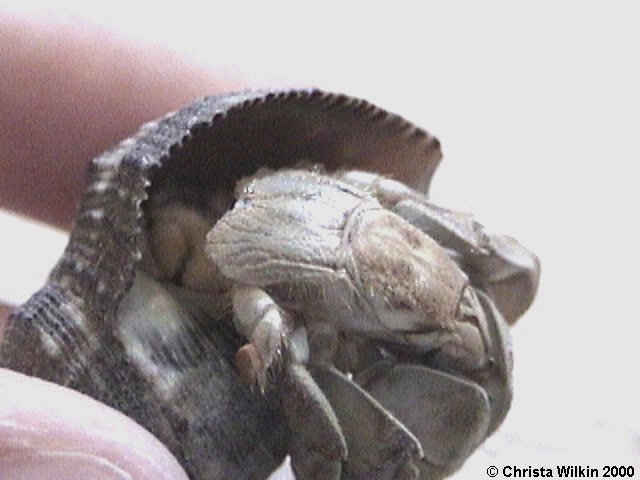
Ever watched a nature documentary where snakes shed their skin, leaving behind a ghostly replica? Well, hermit crabs do something similar, but with a twist. It's called molting, and understanding it is key to being a happy hermit crab parent. Think of it as their version of a head-to-toe spa day… a slightly stressful one, perhaps, but necessary for growth and rejuvenation.
What Exactly Is Molting?
Molting is the process where a hermit crab sheds its entire exoskeleton, that hard, protective shell it calls home (well, part of its home anyway!). They do this because, unlike us, their exoskeleton doesn't grow. To get bigger, they need to ditch the old one and grow a brand new, larger shell. It's like trading in your favorite jeans for a bigger size after a growth spurt. Only, imagine growing a whole new pair of jeans from scratch!
Think of it this way: remember the scene in The Matrix where Neo sheds his old identity and emerges reborn? Molting is kind of like that, but with more calcium and less kung fu.
Must Read
The Molting Stages: A Hermit Crab's Transformation
Molting isn't a sudden, dramatic event. It's a multi-stage process:
- Pre-molt: This is where the crab starts preparing. You might notice them eating more, becoming less active, and their color may dull. They're basically stocking up on energy and getting ready for the big shed.
- Molting: The actual shedding! This can take anywhere from a few minutes to a few hours. It's a delicate process, and the crab is very vulnerable during this time.
- Post-molt: The crab is now soft-bodied and hidden in the substrate. They'll eat their old exoskeleton (yum!) to recover lost calcium and harden their new shell. This stage can last for weeks, even months, depending on the size of the crab.
Signs Your Hermit Crab Is About To Molt
Spotting the signs of an impending molt is crucial. Here's what to look out for:

- Burrowing: This is the most common sign. They're seeking a safe, dark, and humid place to molt undisturbed.
- Lethargy: Less activity, more sleeping.
- Dull Color: Their exoskeleton might look faded or grayish.
- Cloudy Eyes: Their eyes might appear opaque.
- Eating More: Stocking up on energy.
- Digging: Creating a space to bury themselves.
What To Do When Your Hermit Crab Is Molting
The golden rule? Leave them alone! Do not dig them up, poke them, or otherwise disturb them. This is a critical and vulnerable time.
Instead:
:max_bytes(150000):strip_icc()/hermit-crab-184383894-resized-56a2bd083df78cf7727962a9.jpg)
- Maintain High Humidity: Aim for 70-80% humidity in the tank. This helps the crab molt successfully and harden its new shell.
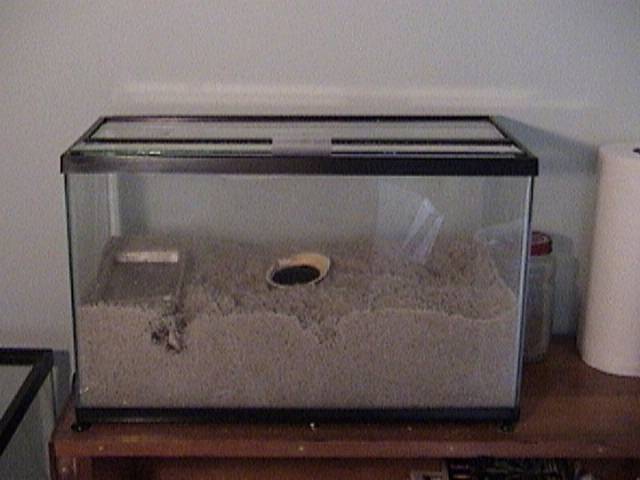
- Provide a Deep Substrate: At least 6 inches deep. This allows them to bury themselves completely.
- Offer Food and Water: Even though they're buried, ensure fresh food and water are available.
Think of it as a "do not disturb" sign on their burrow. They need their privacy!
Common Molting Mistakes (And How To Avoid Them)
New hermit crab owners sometimes make mistakes that can be harmful to their crabs. Here are a few common pitfalls:
- Disturbing the Crab: As mentioned before, this is a big no-no. It can stress the crab and even lead to death.
- Incorrect Substrate: Use a mixture of coconut fiber (Eco Earth) and playsand. Avoid substrates that are too dry or that can collapse easily.
- Lack of Humidity: Low humidity can make it difficult for the crab to shed its exoskeleton.
- Overcrowding: Too many crabs in a small space can increase stress and make molting more difficult.
Fun Fact!
Hermit crabs sometimes eat their old exoskeleton after molting! It's a vital source of calcium, which helps harden their new shell. Talk about recycling!
Connecting to Life
Molting reminds us that growth often involves shedding the old. Whether it's habits, relationships, or mindsets, sometimes we need to let go of what no longer serves us to make room for something new. It's a process that can be uncomfortable, even scary, but ultimately necessary for becoming our best selves. So, next time you're facing a challenge, remember the humble hermit crab and embrace the opportunity to molt and grow.
