
What Is A Trailing Stop Loss Order
Alright, let's talk about trailing stop losses. Sounds intimidating, right? Like some Wall Street wizardry reserved for guys in pinstripe suits yelling into phones. But trust me, it's simpler than parallel parking on a busy street (and arguably less stressful). Think of it as your personal safety net in the wild, wild west of the stock market.
What in the Heck is a Trailing Stop Loss?
Imagine you're walking your over-enthusiastic golden retriever, Sparky. You've got him on a leash, right? A regular stop loss order is like setting a fixed point on that leash. If Sparky gets too far ahead (the stock price drops too low), the leash snaps and he's automatically pulled back (your shares are sold) to prevent him from chasing after a rogue squirrel into oncoming traffic (losing even more money). Makes sense, yeah?
Now, a trailing stop loss is like having a magical leash that automatically adjusts its length as Sparky walks further ahead! As long as Sparky keeps bounding forward, the leash gets longer. But if he starts to backtrack, the leash stays the same length relative to his highest point, until he hits the point where the leash snaps.
Must Read
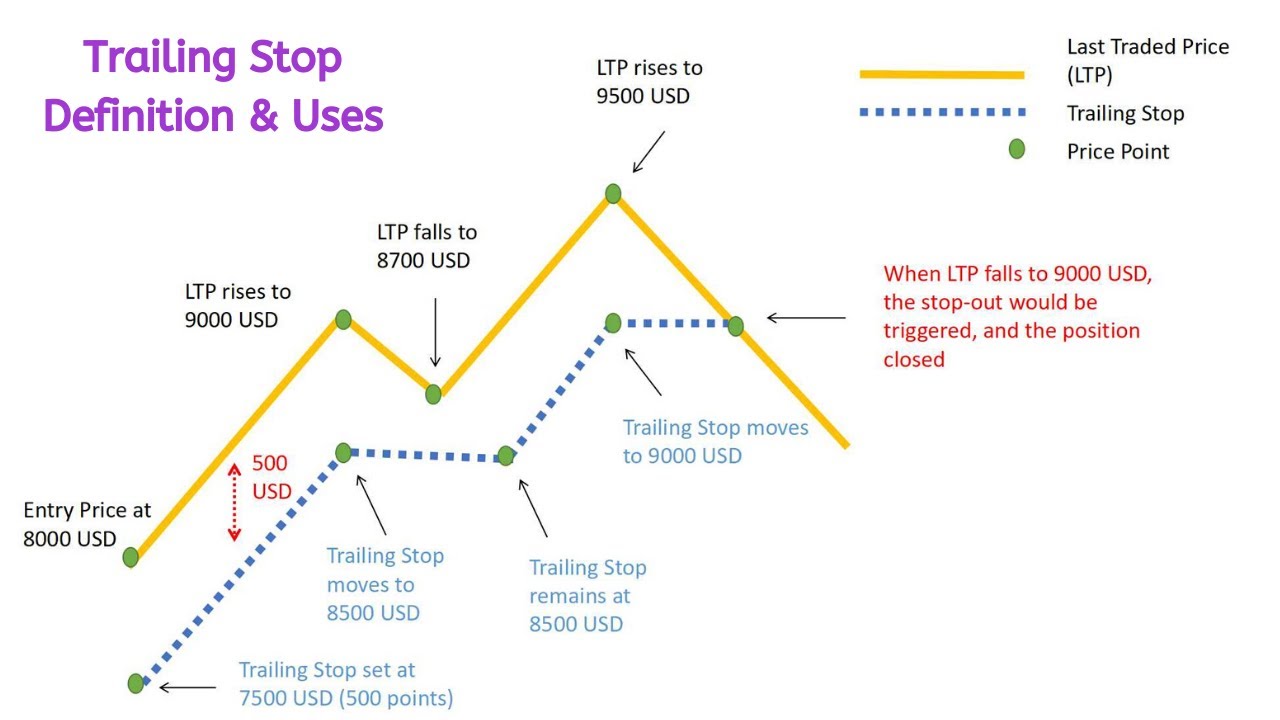
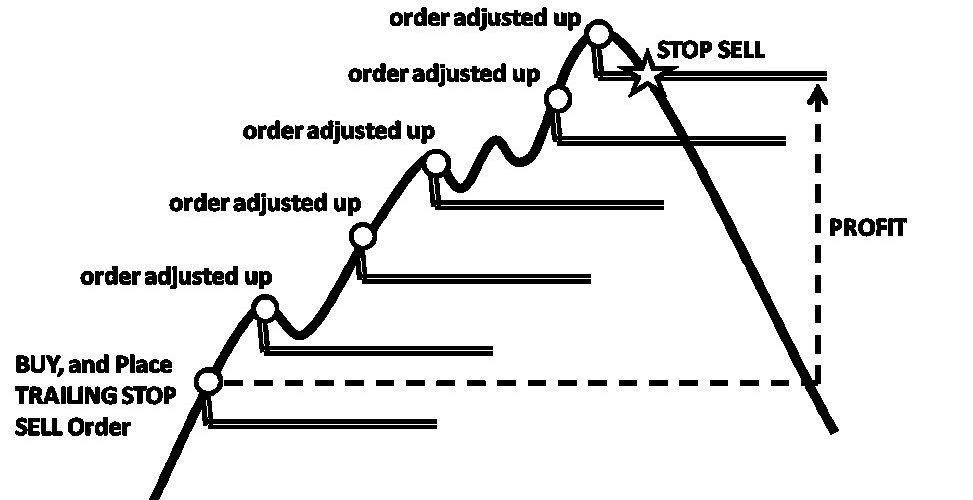
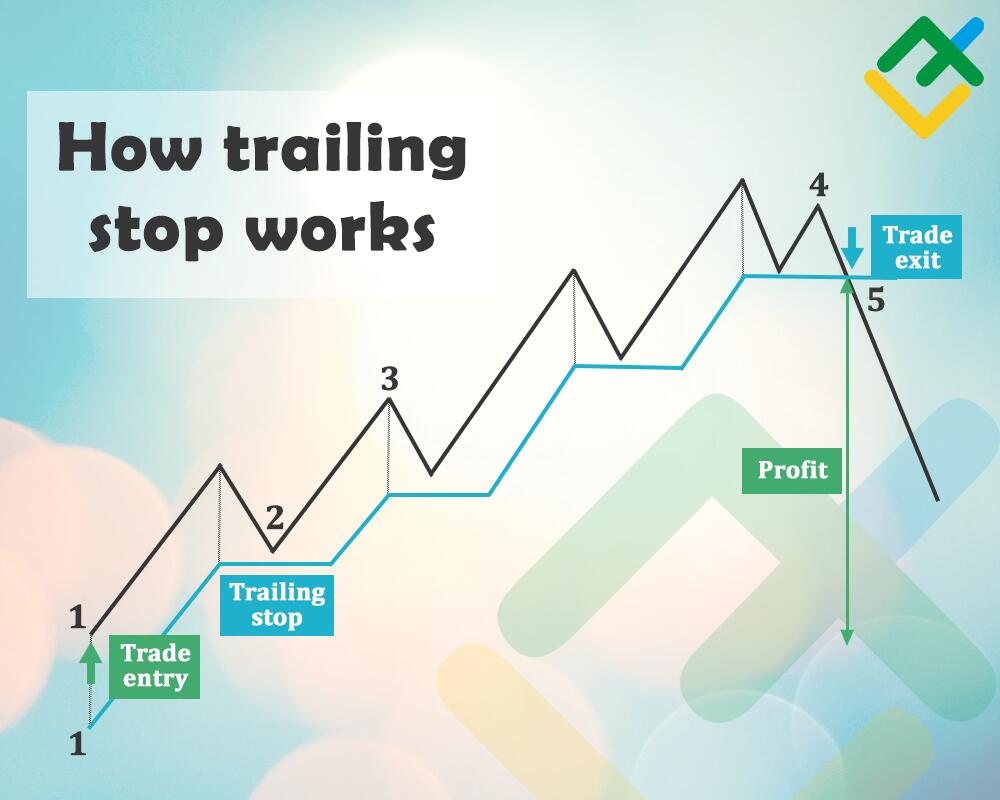
In stock market terms, a trailing stop loss order is an order to sell a stock if the price falls by a certain percentage or dollar amount below its highest price after you place the order. It "trails" along behind the stock price, automatically adjusting upwards as the price goes up.
Why Would I Want a Magic Leash for My Stocks?
Good question! Let's say you buy shares of "Acme Rockets" at $50. You're feeling good, Acme's rockets are flying high (figuratively, hopefully literally too). But you don't want to lose your shirt if things go south. You could set a regular stop loss at $45. If Acme Rockets dips to $45, your shares automatically sell, limiting your loss to $5 per share.

But what if Acme Rockets takes off like, well, a rocket? The price climbs to $70! With a regular stop loss at $45, you're still only protected down to that level. You're missing out on potential profits and you're exposed to unnecessary risk if the stock later falls back to, say, $55.
Here's where the magic leash comes in. You set a trailing stop loss, let's say 10%. As Acme Rockets climbs to $70, your stop loss automatically adjusts upward to $63 (10% below $70). Now, if the stock falls, you're guaranteed to lock in some of those sweet, sweet profits! It's like getting paid to babysit your investment!

Trailing Stop Loss: Your Investment Bodyguard
Essentially, a trailing stop loss is a dynamic risk management tool. It's like having a bodyguard for your investment. They follow you around, making sure nobody messes with your money. As long as things are going well, they're cool. But the moment someone tries to steal your wallet (the stock price drops too much), they spring into action!
Think of it as a "set it and forget it" approach to protecting your gains. You determine the trailing percentage or dollar amount based on your risk tolerance and the volatility of the stock, then let the order do its thing.
Things to Keep in Mind (Because Nothing's Perfect)
Okay, so trailing stop losses aren't a foolproof path to riches. Here are a couple of things to consider:
*Whipsaws: Market volatility can trigger your trailing stop loss even if the stock is ultimately trending upward. Imagine a small dip triggers your order, and then the stock immediately bounces back up. Ouch! This is like Sparky suddenly pulling back for a millisecond before resuming his sprint - the leash snaps for no reason! You’ve missed a chance to profit.
Gaps: Sometimes, a stock price can "gap" down overnight, meaning it opens significantly lower than the previous day's close. This can cause your shares to be sold at a price lower than your intended stop loss level.
Don’t forget, a trailing stop loss is a tool, not a magic bullet. It’s just one way to manage risk and protect profits. It's best used in conjunction with other strategies and a healthy dose of common sense.
So, there you have it. Trailing stop losses, demystified! Go forth and protect your investments with your newfound magic leash knowledge!