What Is A Payment Address
Ever sent money to a friend, paid for something online, or even dabbled in the exciting world of cryptocurrencies? If so, you've probably interacted with a payment address without even realizing it! It might sound a bit technical, but trust us, understanding this little digital hero makes navigating our modern financial landscape so much smoother and more secure. Far from being a dry topic, payment addresses are the unsung champions that make our digital transactions incredibly convenient and reliable.
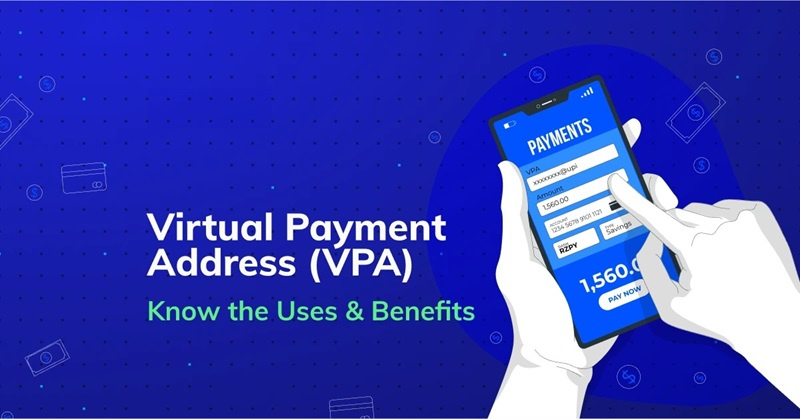
So, what exactly is a payment address? Think of it as the digital equivalent of a postal address for your money. Just like you need to know a friend’s street address to mail them a physical letter or package, you need a payment address to send money to them digitally. It’s a unique identifier that tells the financial system precisely where funds need to go, ensuring your hard-earned cash lands exactly in the intended recipient’s account, wallet, or digital pocket.
The primary purpose of a payment address is crystal clear: accuracy and security. Without it, sending money would be a chaotic guessing game! Imagine trying to send an email without an email address – impossible, right? A payment address eliminates that uncertainty. It acts as a specific destination tag, reducing errors and protecting your transactions. This means you can confidently hit "send" knowing your payment is on its way to the right place.
Must Read
The benefits are truly fantastic. First, there's the unparalleled convenience. Whether you're paying a bill, splitting a dinner tab with friends, or making an international transfer, a payment address streamlines the process. It makes cross-border payments simpler and faster than ever before. Secondly, it adds a layer of security. By directing funds to a verified, unique identifier, the risk of misdirection or fraud is significantly minimized. Different payment systems might use different formats – for instance, a bank transfer might require an account number and routing number, while a peer-to-peer app like Venmo or PayPal might use an email address or phone number. Cryptocurrency wallets, on the other hand, utilize long, alphanumeric strings that look like a secret code.
No matter the format, the underlying principle remains the same: a clear, unambiguous destination. This universal concept allows money to flow seamlessly across various platforms, from traditional banks to innovative blockchain networks. The best part? For most day-to-day transactions, you don't even need to memorize these complex strings. Your bank, payment app, or crypto wallet typically handles the heavy lifting, often letting you select recipients from your contacts or providing easy-to-copy addresses.
The takeaway? While the world of digital payments might seem intricate, the humble payment address is your reliable guide. It's the key that unlocks secure, accurate, and incredibly convenient money transfers in our increasingly digital world. So next time you make a payment, give a nod to this often-overlooked but utterly essential piece of information – it’s working hard behind the scenes to keep your money moving smoothly!