What Is A Dry Well In A Septic System
Ever feel like your house has a secret life you're not quite privy to? Well, when it comes to plumbing and wastewater, you're not alone! Understanding the nitty-gritty of your septic system might not sound like a Saturday night thrill, but trust us, knowing a little about parts like a dry well can save you a whole lot of headaches (and cash!) down the line. It's like learning the secret handshake of your home's inner workings – suddenly, everything makes more sense, and you feel much more in control. Plus, impressing your friends with your knowledge of septic systems is, surprisingly, a thing!
So, what exactly is a dry well in a septic system, and why should you care? Think of it as one of the unsung heroes of your home's wastewater management. For beginners, understanding this component is a fantastic first step into knowing how your home handles its waste responsibly, especially if you live in a rural area without city sewers. It's about knowing what's under your lawn and why it matters for your daily life. For families, this knowledge is crucial for maintaining a healthy and safe environment. A properly functioning dry well means no nasty backups, no environmental contamination, and ultimately, a more pleasant home life. And for the home hobbyist or the DIY-curious, learning about septic dry wells (also known as a seepage pit) offers a deeper appreciation for the engineering behind sustainable home living, connecting directly to groundwater protection and property value.
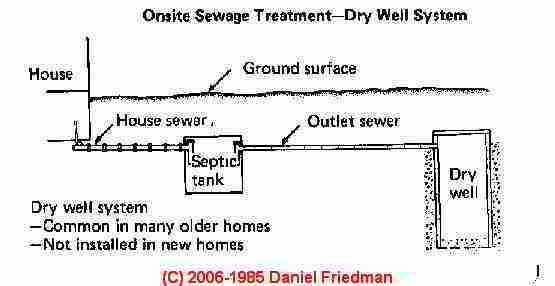
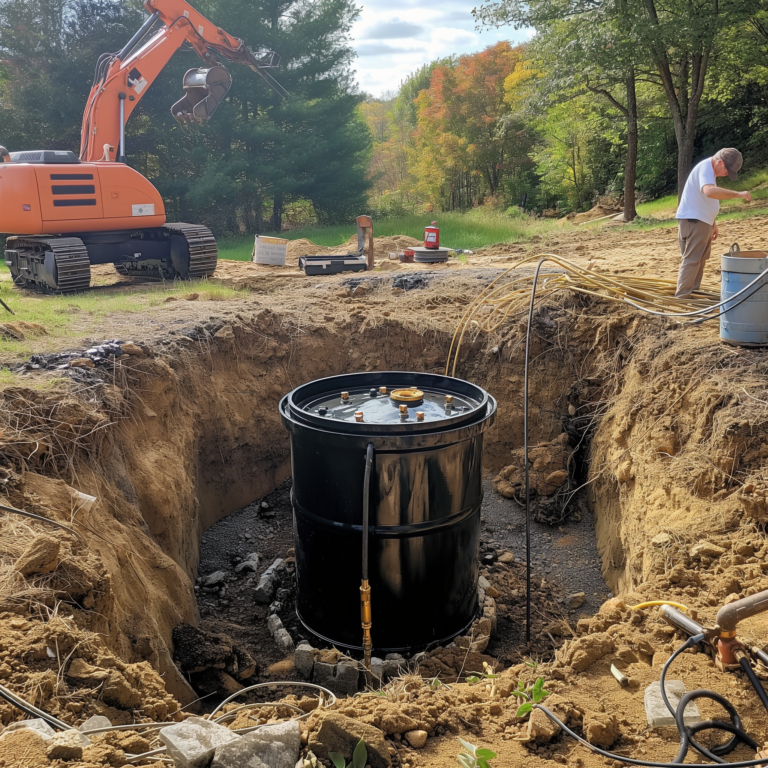
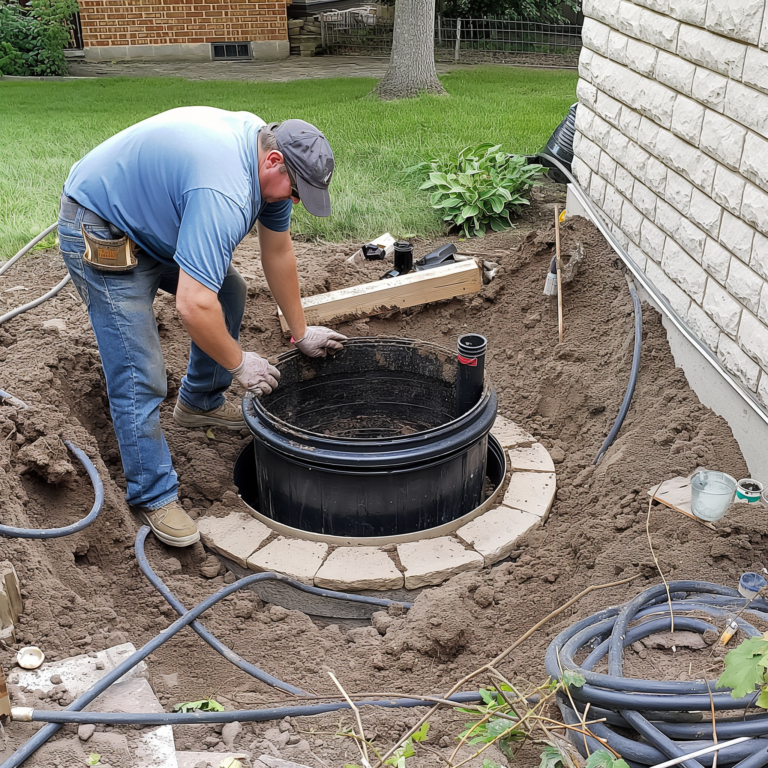
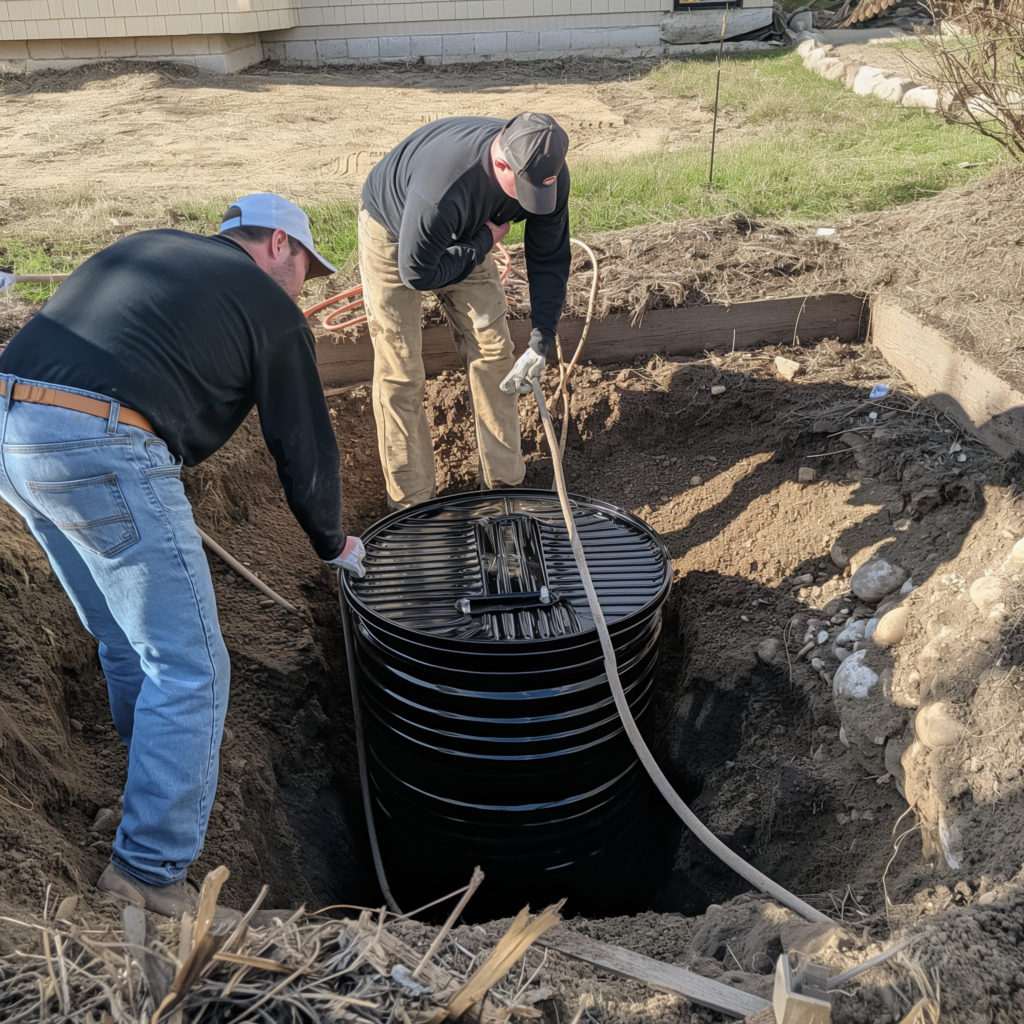
Now, let's get specific. In the context of a septic system, a dry well isn't just any hole in the ground. It's a special kind of underground chamber, often cylindrical and lined with porous material (like concrete blocks with perforations), designed to disperse treated wastewater effluent back into the soil. It's an alternative to a traditional drain field or leach field, particularly common in areas with limited space or specific soil conditions. After wastewater passes through your septic tank (where solids settle out), the liquid effluent flows into this seepage pit. The liquid then slowly seeps out through the porous walls and bottom into the surrounding soil, where natural processes further treat and filter it. It's a clever, low-tech way to return water to the environment. Different variations exist, from simple rock-filled pits to more engineered chambers, but the core principle of slow, controlled dispersal remains the same.
Must Read
Ready to get started on your journey to septic enlightenment? Here are some super simple tips. First, find out if you even have a septic system, and if so, whether it uses a drain field or a seepage pit/dry well. This information is usually available with your property records or by asking a local septic professional. Second, be mindful of what goes down your drains. Avoid harsh chemicals, excessive grease, and non-biodegradable items, as these can clog or damage any part of your septic system, including a dry well. Third, conserve water where possible; less water going into the system means less strain on it. Finally, and most importantly, schedule regular professional inspections. A pro can tell you the condition of your dry well and the entire system, helping you prevent small issues from becoming big, expensive ones.
So, while talking about dry wells might not be the most glamorous dinner conversation, understanding this vital component of your septic system brings immense value. It's about taking pride in your home, protecting your investment, and being a responsible steward of your property and the environment. Learning these bits of home knowledge brings a quiet satisfaction and, more importantly, peace of mind. Happy learning!