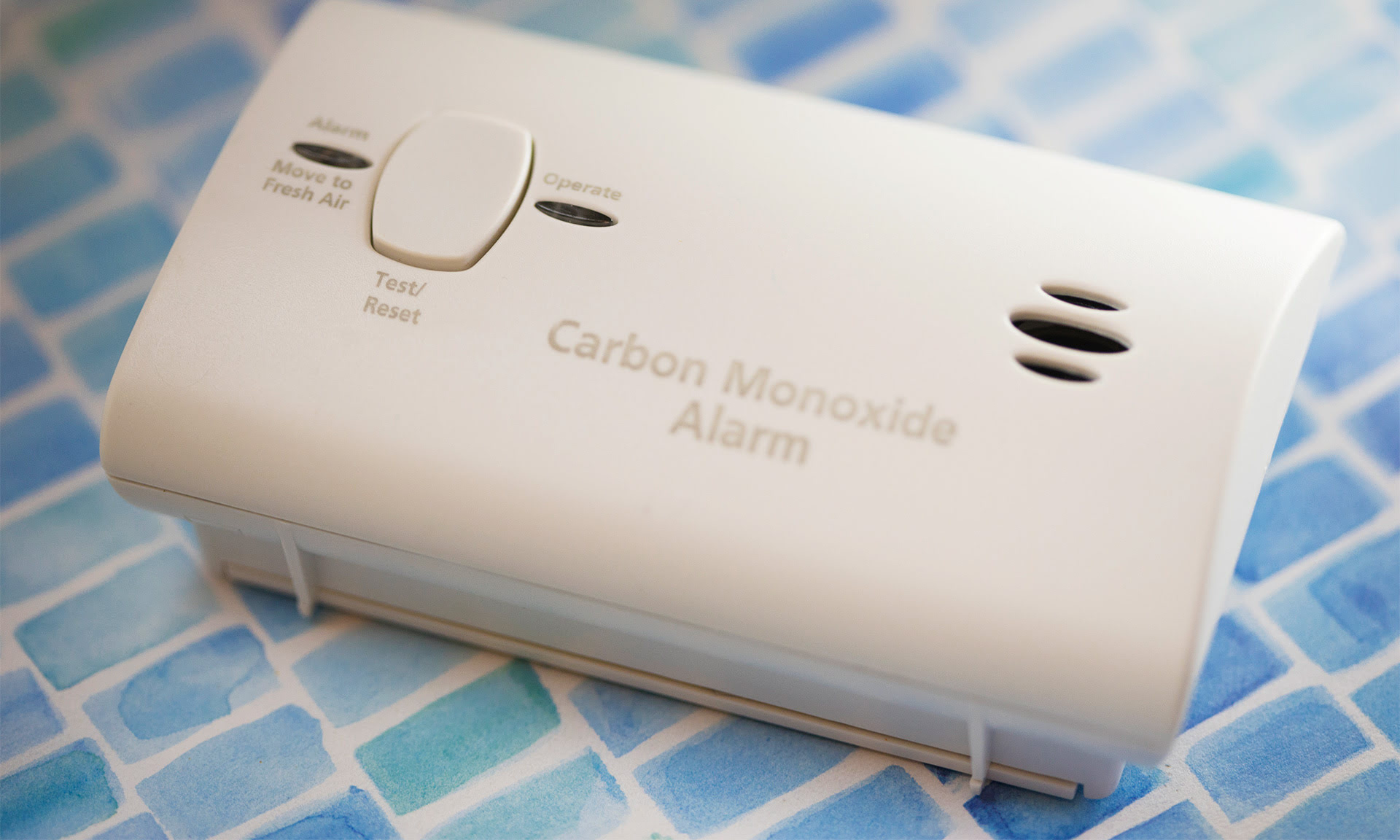
What Is A Carbon Monoxide Detector For
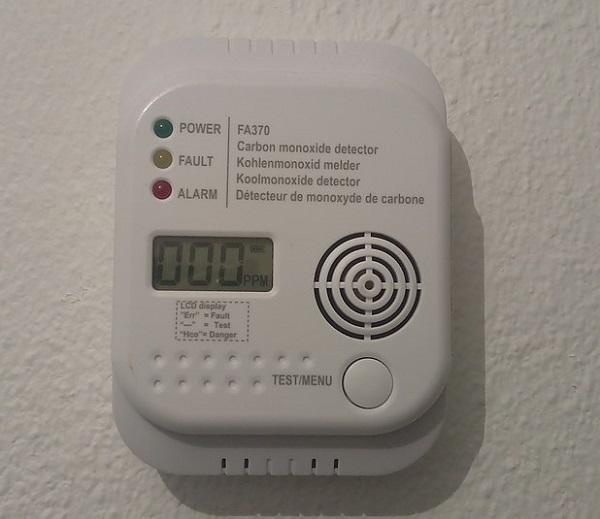
Ever thought about those little gadgets that quietly stand guard in our homes? Today, we're diving into something super useful and truly foundational for a happy, healthy living space: the carbon monoxide detector. While it might not sound as exciting as a new smart speaker, understanding what these devices do is actually incredibly empowering. It’s about taking a simple step to ensure your home is a sanctuary, giving you that wonderful feeling of peace of mind. Knowing your family is safe from an invisible threat? That’s pretty cool in our book!
So, what exactly is a carbon monoxide (CO) detector for? At its heart, it’s an early warning system against a dangerous gas that you can't see, smell, or taste. Carbon monoxide is often called the "silent killer" because it’s produced when fuels like gas, oil, wood, or coal don't burn completely – think furnaces, water heaters, gas stoves, fireplaces, or even car exhaust. For beginners and general homeowners, its purpose is brilliantly simple: to detect unsafe levels of CO in your air and alert you with a loud alarm before it can harm you or your loved ones. It literally buys you time to get to safety, which is an invaluable benefit.
For families, the benefits are even more pronounced. Imagine the reassurance of knowing that while your kids are sleeping, there’s a vigilant guardian watching over them. Babies, young children, and the elderly are particularly vulnerable to CO poisoning, making a detector an absolute essential for any family home. It’s a small investment that offers colossal protection for your most precious assets. And it's not just for inside the house! Even hobbyists and adventurers can benefit. Are you a camper? An RVer? Someone who loves their backyard grill? Portable CO detectors are fantastic for cabins, RVs, and even tents (if using propane heaters safely), ensuring your outdoor fun isn't compromised by hidden dangers. It extends that crucial safety net beyond your four walls.
Must Read
Carbon monoxide detectors come in various forms. You'll find simple battery-powered units that you can place anywhere, plug-in models (often with a battery backup for power outages), and even sophisticated units that combine a CO detector with a smoke alarm. Some modern smart home systems even integrate CO detection, allowing you to monitor levels from your phone. Each variation offers the same core benefit: early detection saves lives.
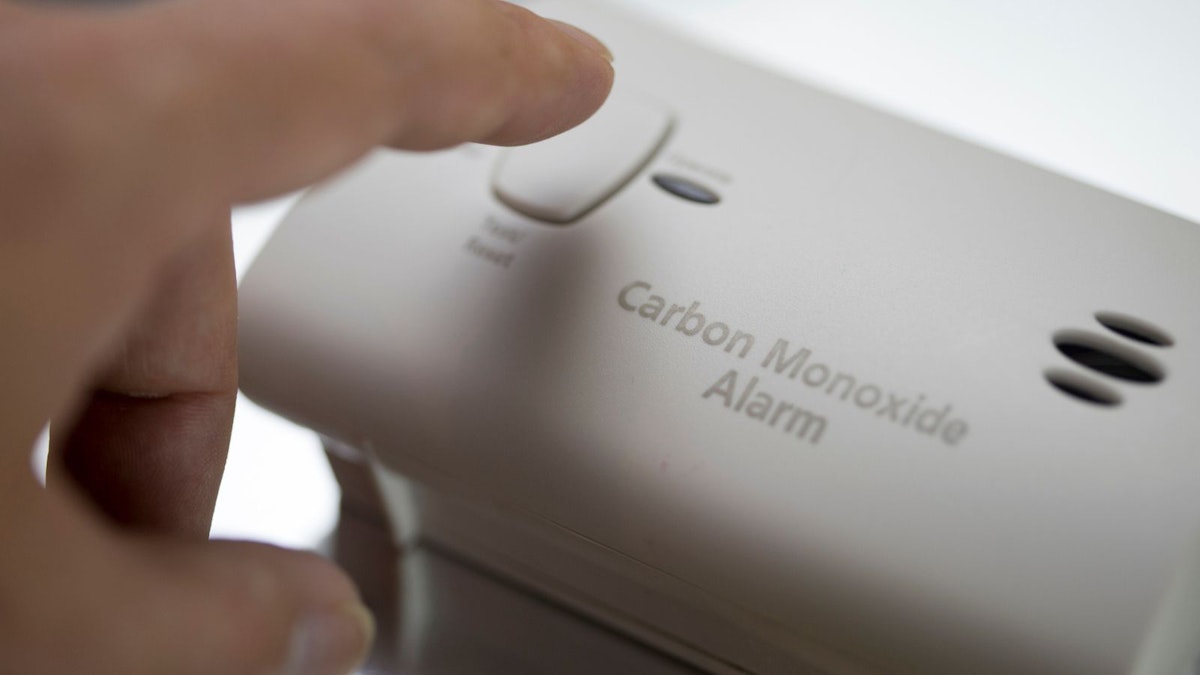
Ready to get started? Here are some simple, practical tips. First, placement is key. Install at least one CO detector on every level of your home, especially near sleeping areas and close to any fuel-burning appliances. Read the manufacturer’s instructions for optimal placement, but typically it's best not to put them right next to windows or exhaust fans. Second, test them regularly. Most detectors have a "test" button – press it once a month to ensure the alarm sounds. Third, remember they don't last forever! Detectors have a lifespan, usually 5-7 years, so check the "replace by" date on the back of your unit. And most importantly, if the alarm ever goes off, take it seriously. Get fresh air immediately and call your local fire department or a qualified technician to investigate the source.
In conclusion, a carbon monoxide detector is more than just a gadget; it's a fundamental piece of your home's safety puzzle. It’s a tiny device that offers immense value, bringing unbeatable peace of mind to you and everyone under your roof. Investing in and maintaining these detectors means you can simply relax and enjoy your home, knowing you've taken a smart step towards a safer and happier life.