What Is A 7 Wood Equivalent To
Ever found yourself staring at a golf club, scratching your head and wondering, "What on earth is this thing even for?" We've all been there! Golf clubs can seem like a bewildering collection of metal sticks, each with its own mysterious purpose. Today, we're demystifying one of those clubs: the 7 wood. And more specifically, what other clubs it's similar to – its "equivalent," if you will. Why is this fun to learn? Because understanding club equivalents can seriously simplify your game, help you make better club choices, and ultimately, lead to lower scores!
So, what's the deal with the 7 wood? Its primary purpose is to provide a high-launching, long-distance shot, particularly from the fairway or light rough. Think of it as a hybrid between a fairway wood and a long iron. It's designed to get the ball up in the air quickly and carry it a good distance, making it a lifesaver for those longer approach shots or when you need to clear an obstacle. The benefits are numerous: more forgiveness on off-center hits, easier to launch than a long iron, and more consistent distance than a hybrid for some players. In short, it’s a fantastic club for adding versatility to your bag.
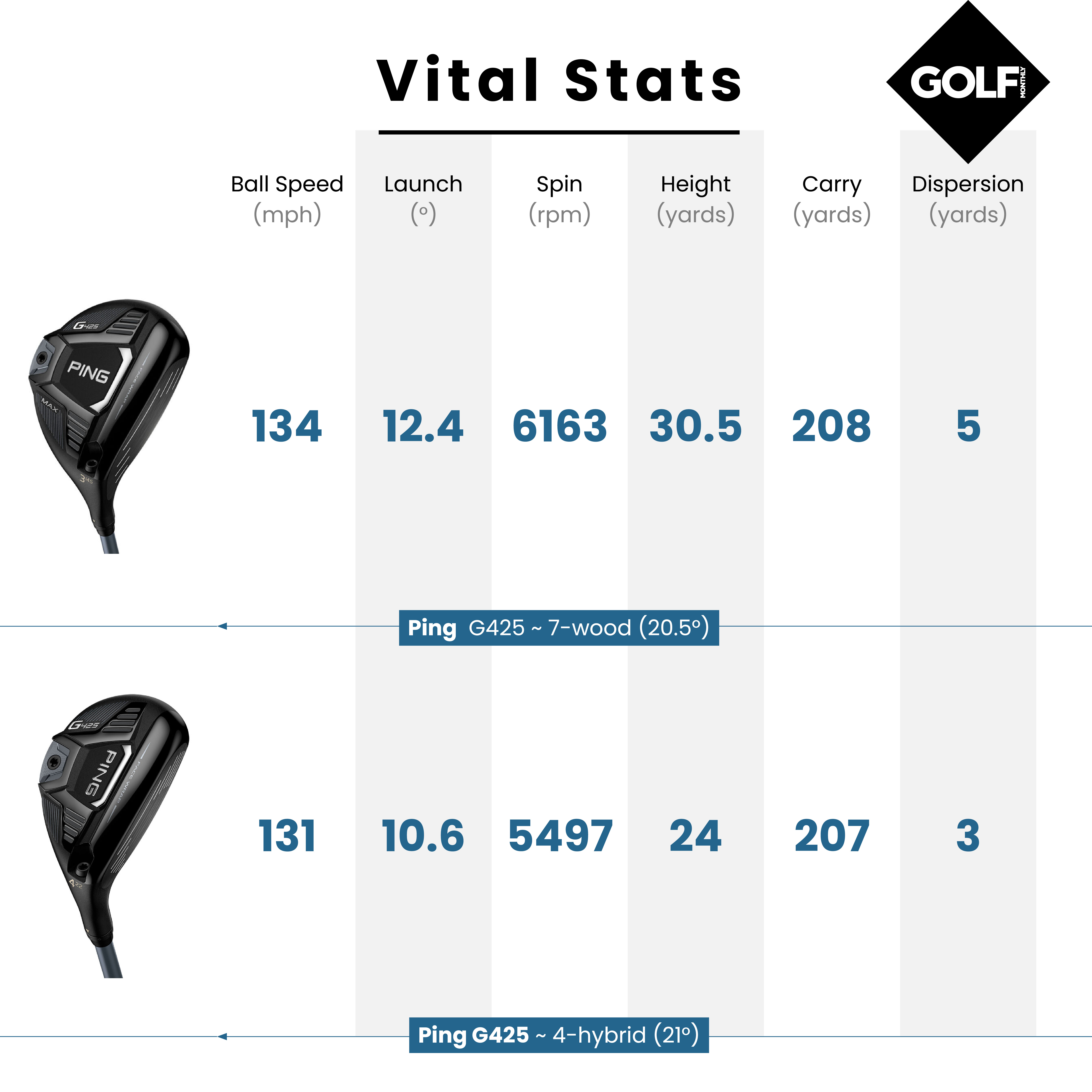
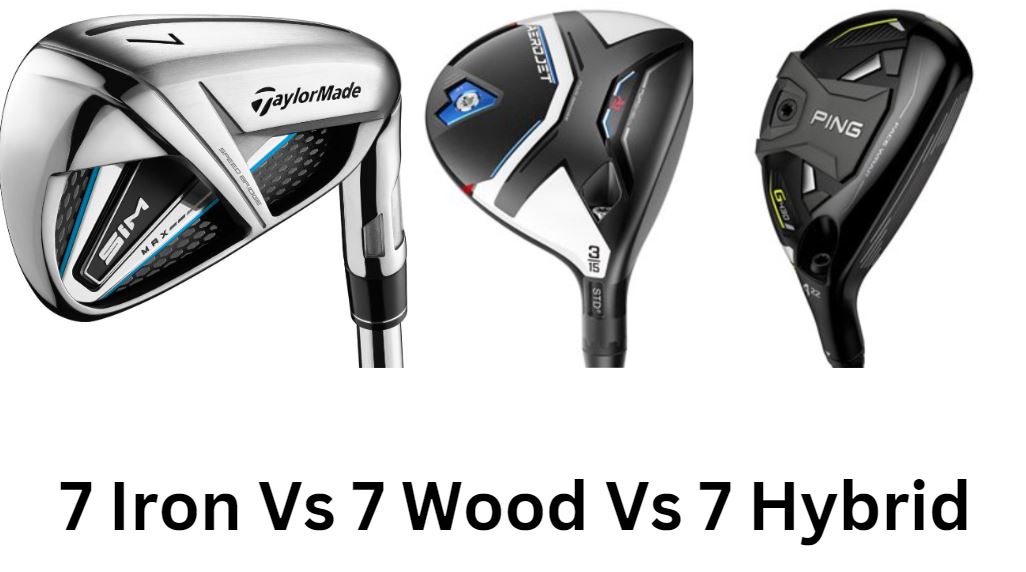
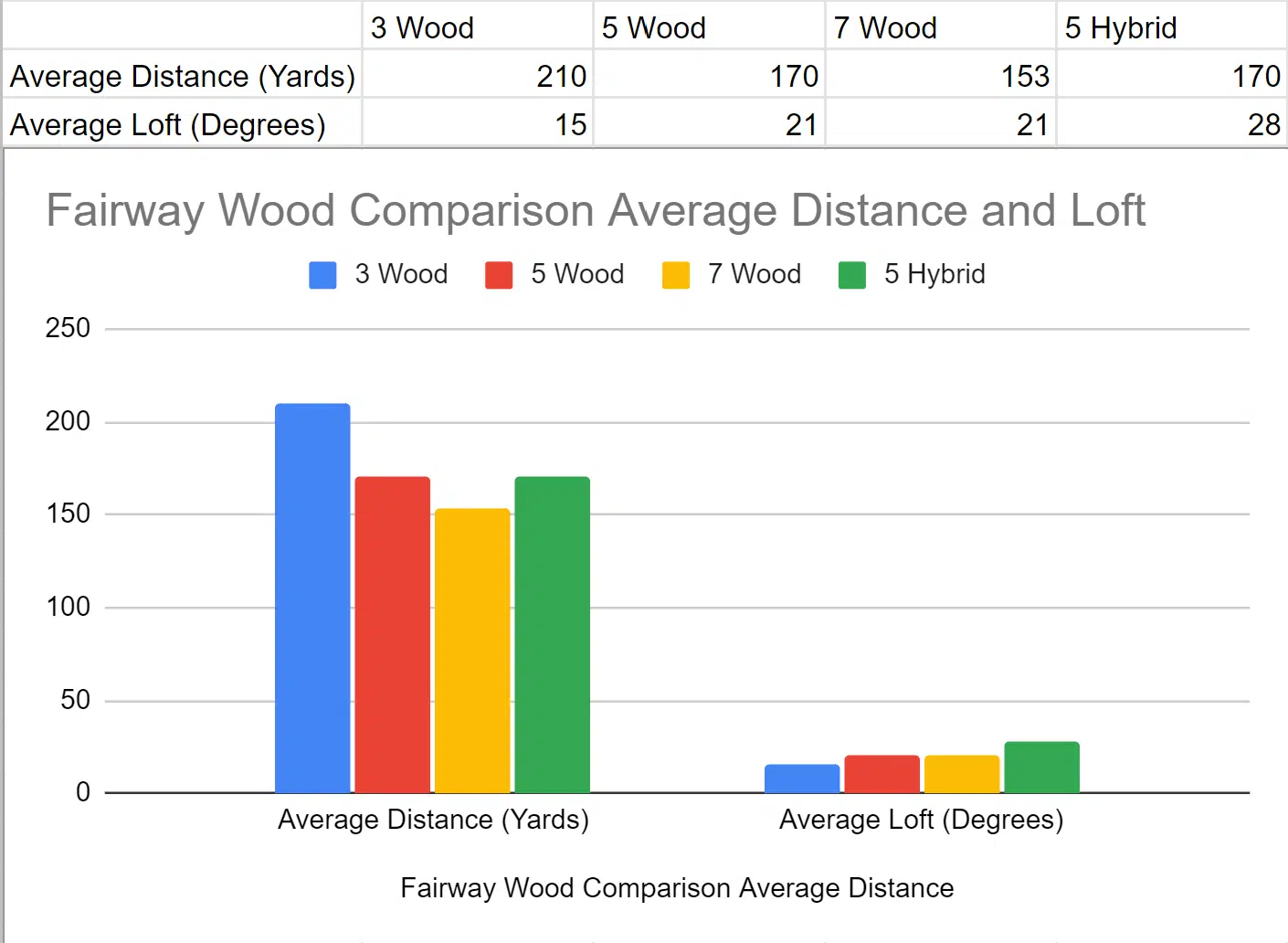
Now, let's get to the heart of the matter: what is a 7 wood equivalent to? Generally speaking, a 7 wood is most closely equivalent to a 4 iron or a higher-lofted hybrid, like a 4 or 5 hybrid. The exact equivalent can depend on the manufacturer, the specific loft of each club, and even your own swing speed. For example, a golfer with a slower swing speed might find their 7 wood carries further than their 4 iron, while someone with a faster swing speed might see the opposite. The key is to find the club that performs best for you.
Must Read
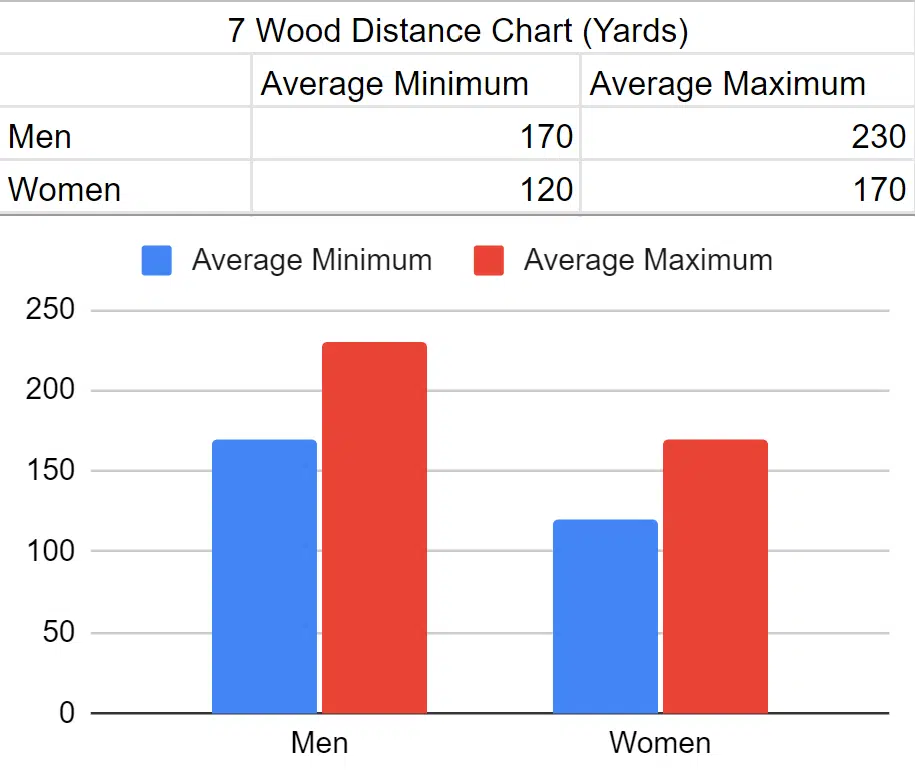
The concept of club equivalents isn't just theoretical. Think about it in a practical context. Suppose you're taking a golf class, and the instructor says, "For this shot, you'll need a club that carries around 170 yards." Knowing that your 7 wood and 4 iron are roughly equivalent, you can confidently choose whichever feels more comfortable or appropriate for the lie. Similarly, in daily life, understanding club distances helps you strategize on the course. Let's say you're 180 yards from the green with a bunker in front. Knowing your 7 wood can clear the bunker with ease gives you the confidence to commit to the shot.
Want to explore this further? Here are a few simple ways to get started. First, head to the driving range with your 7 wood, 4 iron, and any hybrids you own. Hit several balls with each club, paying attention to distance, launch angle, and overall feel. A launch monitor can be incredibly helpful here, providing precise data on your club performance. Alternatively, if you don't have access to a launch monitor, simply track your distances using a GPS watch or app. Secondly, consult with a golf professional. They can analyze your swing and recommend the best club configuration for your game. Finally, don't be afraid to experiment! Try different clubs in different situations on the course. The more you play and practice, the better you'll understand your own club distances and what each club is truly equivalent to for you. Ultimately, understanding these nuances can make a real difference in your golf game. Happy golfing!