
What Happens If Police Damage Your Property During A Search

Imagine a regular Tuesday. You’re minding your own business, maybe enjoying a quiet cup of coffee. Suddenly, there’s a commotion at your front door. It’s the police, and they have a warrant. Or maybe they just think they do. Either way, they’re coming in, and they’re not being gentle.
They sweep through your home like a whirlwind. Drawers are pulled out, clothes are tossed. Your neat piles become chaotic mountains of fabric. Books are scattered from shelves, looking for who-knows-what. It feels like your personal space is being thoroughly disrespected.
When they finally leave, what’s left behind? Often, it’s a scene of utter disarray. A perfectly good door might be splintered from a forced entry. Furniture could be overturned. Even walls might bear the mark of an overzealous search.
Must Read
The Aftermath: Not Just a Mess, But a Mystery
You stand in the middle of your living room, surveying the damage. Your heart sinks a little. Your home, your sanctuary, looks like it’s been hit by a small, very specific tornado. The question instantly pops into your head: Who pays for this?
It’s a fair question, right? If your neighbor's kids broke your window playing baseball, you’d expect them to pay. If a delivery driver dinged your mailbox, you'd want compensation. So, if the police, acting on official business, damage your property, surely there's a clear path to repair?
You might think so. You might even hope so. But here’s where the fun, slightly "unpopular" opinion comes in. It often feels like the answer is a big, resounding, bureaucratic "Good luck with that!" And that, my friends, just doesn't sit right with many of us.
Broken Door, Broken Dreams?
Let’s take that splintered door. It’s not just an inconvenience; it’s a security risk. You can't just leave your front door hanging open for the world to see. You need it fixed, and fast. The repair bill for a new door, installation included, can be significant.
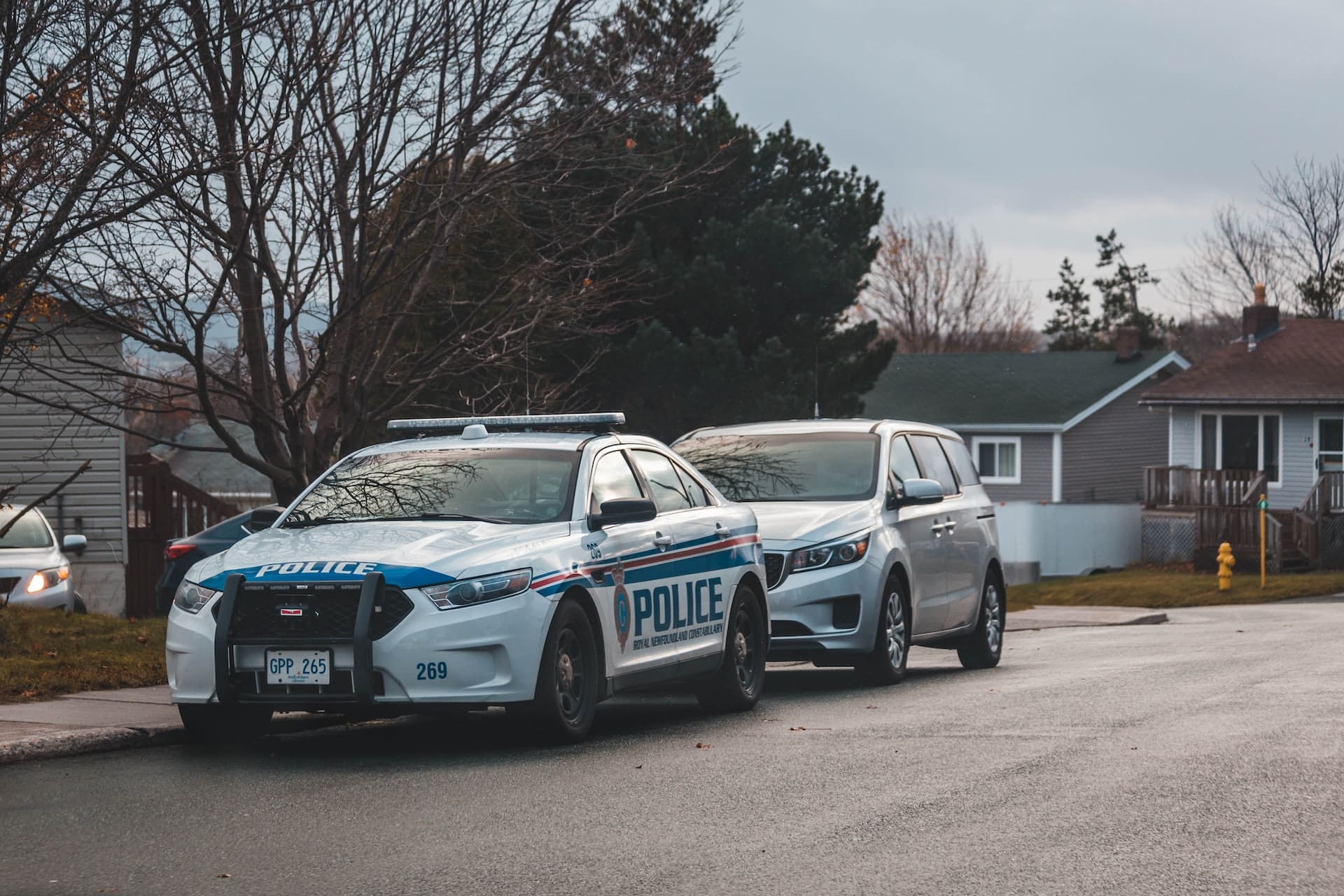
You might call the police department, expecting a sympathetic ear and perhaps a claim form. Instead, you might get a lot of polite-sounding phrases that effectively say, "We did our job." The damage, they might explain, was a necessary consequence of their duty.
It’s not like they broke your door maliciously, of course. But a broken door is still a broken door. And the cost to fix it still comes out of your pocket. Doesn't that seem a little... backwards?
"If a private citizen breaks something, they pay. Why is it different when it's someone wearing a uniform?"
This is the core of the playful frustration. We understand police need to do their job. We understand sometimes things get messy. But when an innocent person's property is damaged, the burden shouldn't automatically fall entirely on them. It feels a bit like you’re being penalized for simply existing in the wrong place at the wrong time.
The Unofficial "Insurance Policy" You Didn't Sign Up For
Your first thought might be, "I'll just claim it on my homeowner's insurance!" And sure, you can certainly try that. But remember deductibles. And remember that filing a claim, even a valid one, can sometimes affect your premiums down the line.

So, you might end up paying hundreds, if not thousands, out of pocket. For something you didn't do. For damage caused by an entity that is ostensibly there to protect you. It’s a bizarre twist of fate, isn't it?
Some cities and counties do have provisions for property damage claims. But they are often notoriously difficult to navigate. Think endless forms, long waiting periods, and a high bar for proving negligence. It's rarely a straightforward "damage, claim, get paid" scenario.
The Paperwork Maze: A Quest for a Plumber, Not a Lawyer
You want to fix your door, not embark on a legal crusade. Yet, trying to get reimbursed often feels like the latter. You might be advised to send certified letters, gather police reports, and take copious photos. All very good advice, but also incredibly time-consuming and frankly, exhausting.
Meanwhile, your door is still broken. Or your couch is still ripped. You just want your home back to normal. You want the dignity of having your property respected. Is that really too much to ask?

"It's not about blaming anyone; it's about fairness. If there's damage, shouldn't there be a clear way to make things whole?"
This sentiment often bubbles up. It’s not about undermining law enforcement. It's about the practical realities and the financial hit innocent citizens take. A transparent, accessible system for compensation would make a world of difference.
Why the Hesitation? The "Qualified Immunity" Elephant
Without diving into too much legal jargon, there's a concept called qualified immunity. It often protects government officials, including police, from liability in civil lawsuits. Unless their conduct violates clearly established statutory or constitutional rights, and they knew it.
This makes suing individual officers or even departments for property damage incredibly difficult. It's designed to allow officers to do their jobs without constant fear of being sued. But for the homeowner with a busted door, it can feel like a brick wall.
It means that even if property is damaged during a search, proving that the officers acted unreasonably or illegally enough to bypass immunity is a very tall order. Most people just want their home fixed, not to challenge complex legal doctrines. The system wasn't really designed with the average homeowner's minor property damage claim in mind.

A Little Bit of Understanding Goes a Long Way
Perhaps a clearer, simpler fund or process would alleviate much of this frustration. A dedicated pathway for citizens to report damage and receive reasonable compensation. It wouldn't require finger-pointing or proving malice, just acknowledging a practical outcome.
Imagine a scenario where the police provide a simple form at the end of the search. "Here's how to report any damage caused today." A clear, understandable process. That would foster goodwill, wouldn't it? It would certainly be more reassuring than the current feeling of being left to fend for yourself.
Until then, if the police come knocking, be prepared for a potentially expensive clean-up. And maybe, just maybe, mentally budget for a new door frame. Because in the unpredictable world of law enforcement searches, it seems your home is often the silent casualty.
And for many, that’s just not fair. It’s an "unpopular" opinion we wish was universally acknowledged. A little bit of accountability for collateral damage could go a very long way. After all, a homeowner's peace of mind is also a valuable thing to protect.