Ever flip a light switch and marvel at the instantaneous glow? Or plug in your phone, expecting it to charge without fail? That seemingly simple act of receiving electricity is one of the greatest conveniences of modern life, a silent testament to an intricate ballet of engineering happening constantly behind the scenes. We often take it for granted, but this invisible force powers our homes, our work, and our play. It’s the ultimate enabler, allowing us to binge-watch our favorite shows, brew our morning coffee, and connect with loved ones across the globe. We might not "enjoy" the grid itself, but we certainly revel in the uninterrupted comfort and utility it provides.
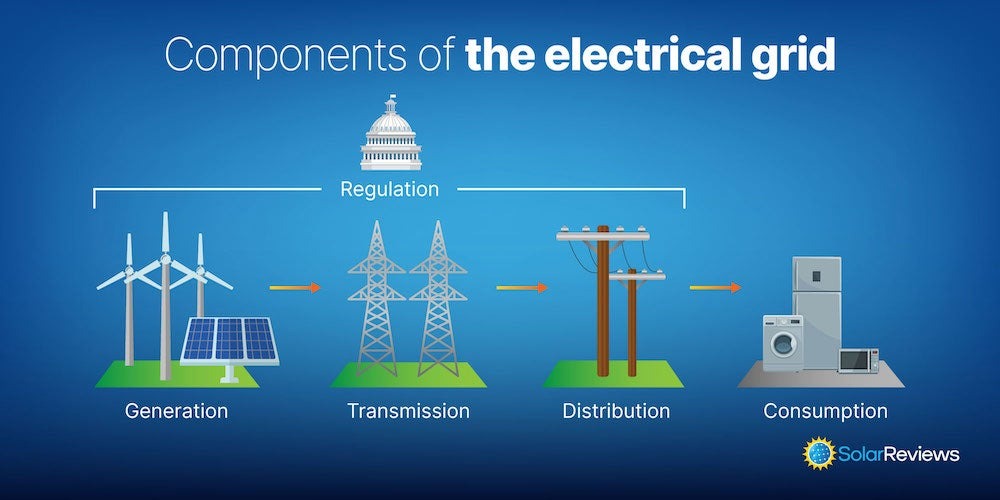
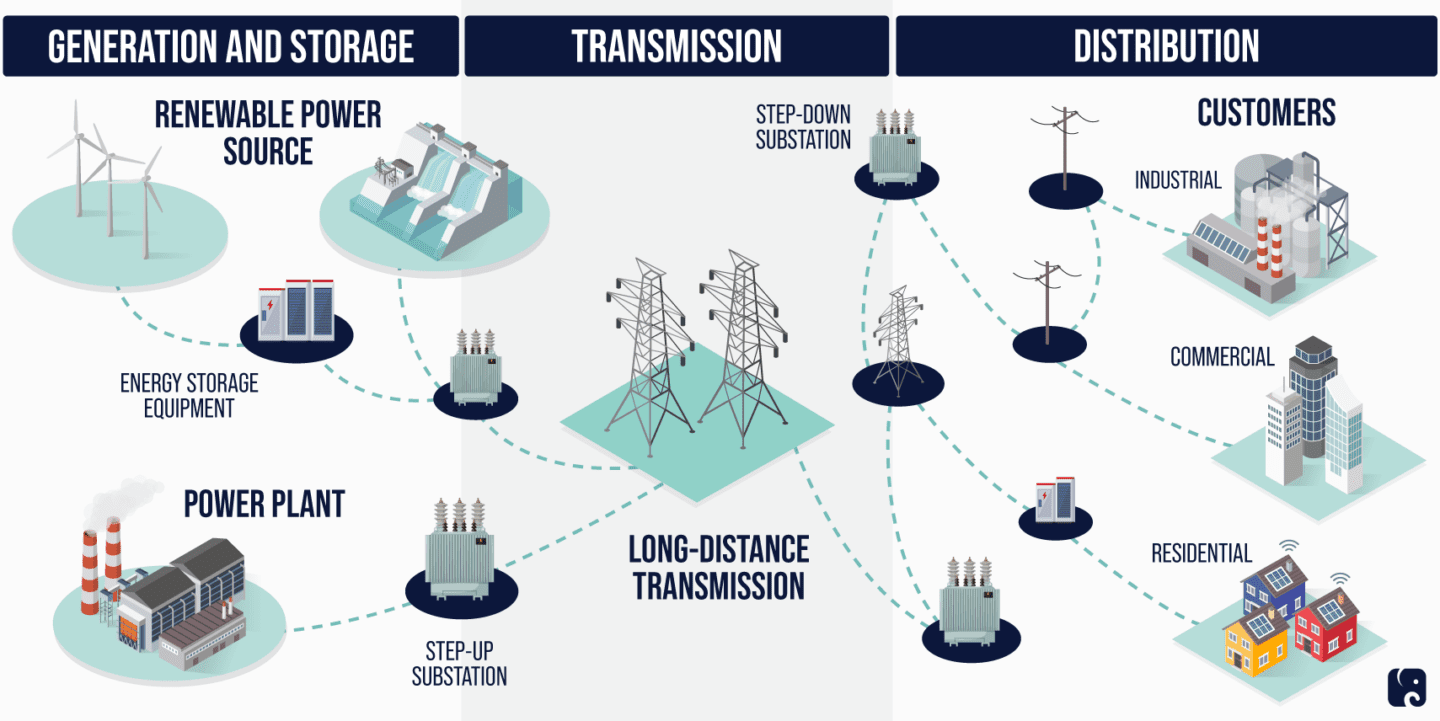
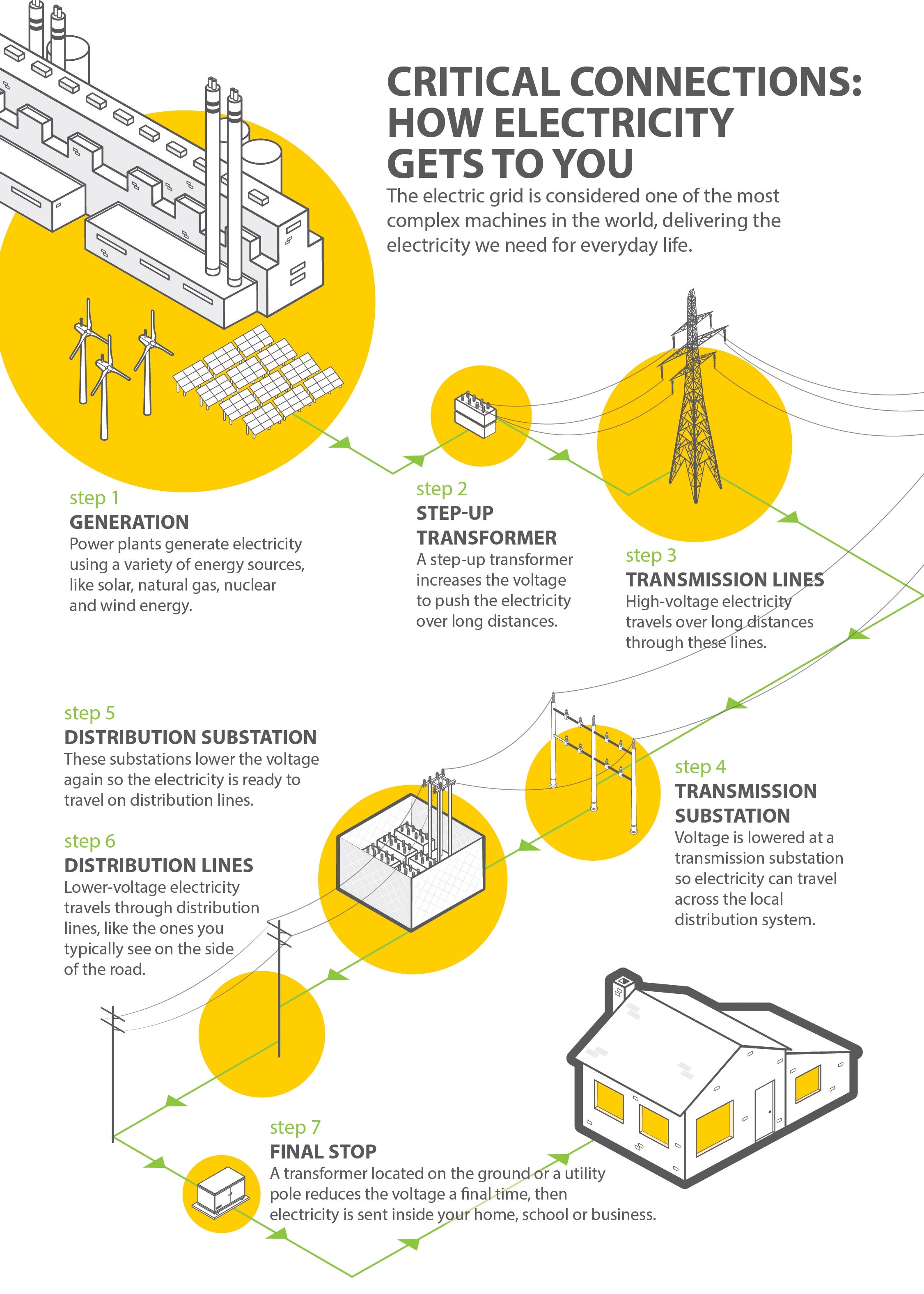
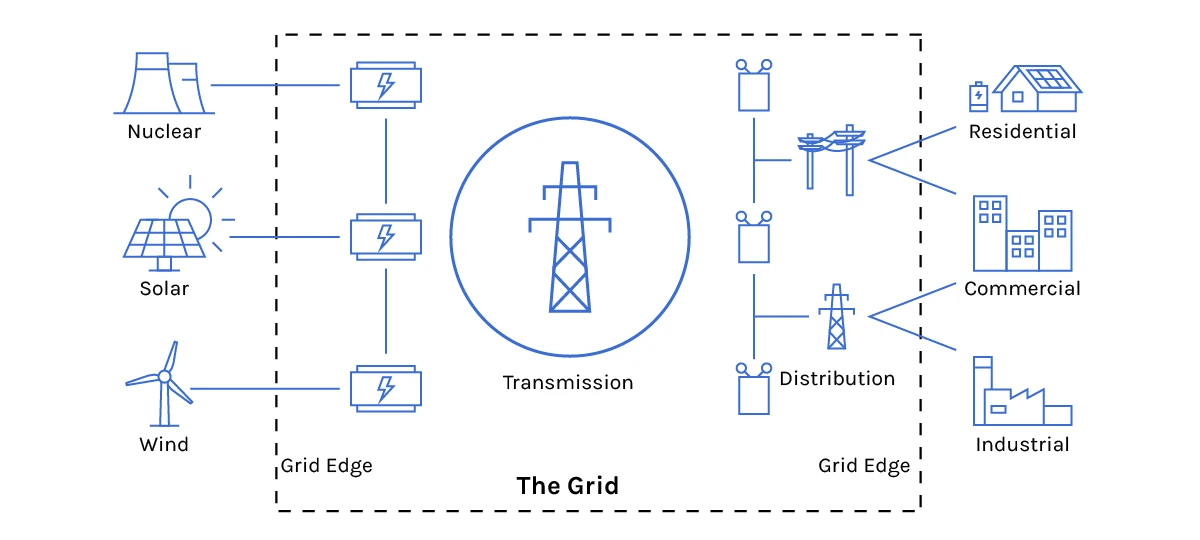
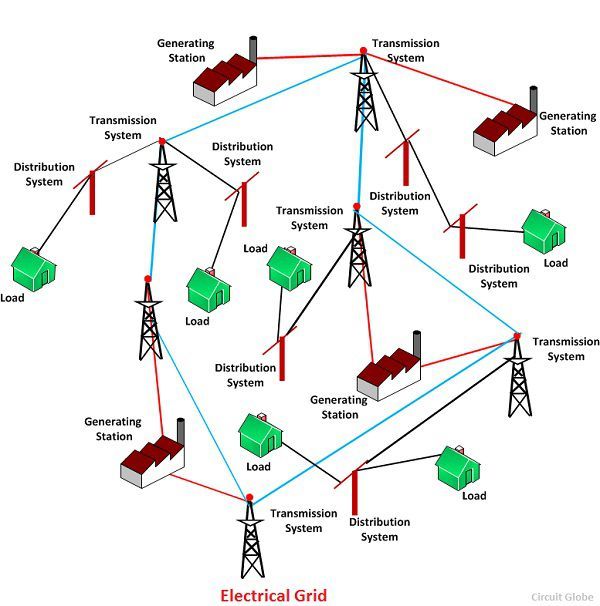
The electric grid serves as the backbone of our entire society. Its primary purpose is to deliver electricity from where it's generated (power plants, solar farms, wind turbines) to where it's needed (our homes, businesses, and industries) – reliably and safely. Without it, our world would grind to a halt. Think about it: no internet, no refrigeration, no heating or air conditioning, no traffic lights, no medical equipment. The grid ensures that when you press that power button, there's a seamless flow of energy, keeping our communication lines open, our food fresh, and our environments comfortable. It’s a marvel of human ingenuity, providing the fundamental energy required for virtually every aspect of our daily existence.
But here’s a fun secret: you’re not just on a grid; you’re on a specific, massive electrical superhighway! In North America, for instance, there are three primary interconnections, like giant electrical neighborhoods: the Eastern Interconnection, the Western Interconnection, and the ERCOT Interconnection (which primarily covers most of Texas). Each of these is a vast, interconnected network where electricity flows freely within its boundaries, but generally not between them. This means the power that lights up New York typically doesn't mingle with the power that lights up California, and Texas largely manages its own electrical destiny. These enormous systems are managed by entities like Independent System Operators (ISOs) or Regional Transmission Organizations (RTOs), which act like the air traffic controllers for electricity, balancing supply and demand second by second.
So, how can you "enjoy" your grid more effectively, or at least understand it better? First, simply knowing which grid you're on can be surprisingly empowering. A quick search for "what electric grid is [your state/region] on" or checking your local utility company's website will usually point you to the correct interconnection and its managing body. Understanding this helps you grasp local energy policies, renewable energy initiatives, and even why blackouts might affect certain areas differently. Secondly, become a more conscious energy consumer. While you can't pick your grid, you can absolutely influence its health and efficiency. Every time you conserve energy – by turning off lights, unplugging phantom loads, or using energy-efficient appliances – you're helping reduce strain on the system, contributing to its stability and sustainability. It's like being a good neighbor in your electrical community. Learning about your grid helps you appreciate the incredible orchestration required to keep our modern world humming, making that simple light switch flip feel a little more miraculous.