
What Does The Master Warning Light Mean

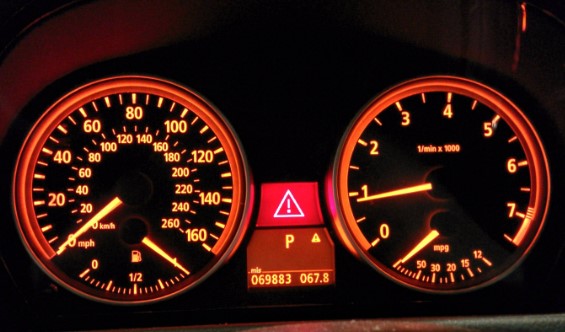
You’re cruising along, maybe singing (badly) to the radio, perhaps enjoying a particularly daring sip of your coffee, when suddenly – BAM! – a lurid, usually amber, sometimes angry red light flares up on your dashboard. It’s not your check engine light, it’s not the low fuel warning, and it’s definitely not a little car icon politely reminding you to merge. No, this is something… bigger. Something more ominous. It’s the dreaded Master Warning Light, and it’s basically your car screaming for attention like a dramatic teenager.
Picture this: you’re minding your own business, and then out of nowhere, your car decides to flash what looks like the eye of Sauron, or maybe a tiny, angry submarine periscope. It’s not just a light; it’s an event. It’s the automotive equivalent of your house suddenly emitting a foghorn blast and a banner that says, "ATTENTION! SOMETHING IS AMISS!"
What's the Deal with This Light, Anyway?
Unlike its more specific brethren – like the little squiggly line telling you your tire pressure is off, or the gas pump icon mocking your dwindling fuel supply – the master warning light is a bit of an enigma. It doesn't point to a singular issue. Think of it as the general manager of your car's problem department. When it lights up, it means the general manager has just been informed of a serious issue by one of his specific department heads and is now yelling, "EVERYONE, LOOK OVER HERE! WE HAVE A SITUATION!"
Must Read
It’s a general alert, a red (or amber) flag waved frantically by your car’s internal systems. It’s not saying, "Your blinker fluid is low." It’s saying, "One of my vital organs might be doing something it shouldn’t, and you need to pay attention right now."
It's Not What You Think It Is (Probably)
Let's clear up some common, albeit humorous, misconceptions. The master warning light is not:

- A secret message from aliens.
- A reminder that you forgot to feed your goldfish.
- Your car's way of telling you that your singing truly is terrible.
- A warning that you're about to run out of Wi-Fi signal (though wouldn't that be a panic-inducing light?).
- A cryptic prompt to buy more premium snacks for your next road trip.
No, it's far more practical, and honestly, a bit more alarming, than any of those delightful scenarios.
So, What Does It Mean?
The master warning light is a fancy way for your car to say, "Hey, human! Something in one of my major systems needs your immediate attention." It typically illuminates when there's a problem with a critical system that could affect safety, performance, or cause significant damage if ignored.

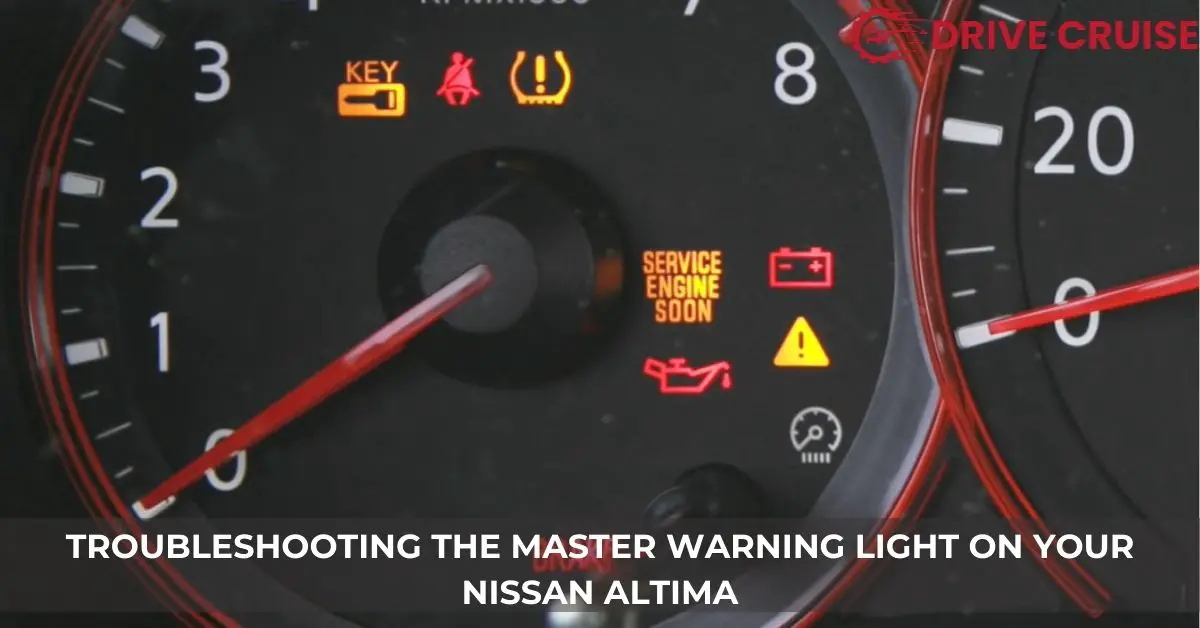
The key here is that it's almost always accompanied by another, more specific warning light or message on your dashboard or infotainment screen. The master warning light is the dramatic, flashy attention-grabber; the other light is the actual detailed report.
For example, you might see the master warning light flash alongside:
- A little icon of an engine (hello, Check Engine light's more serious cousin!).
- A symbol for low oil pressure (your engine is basically screaming, "I'm thirsty!").
- An overheating indicator (your car is having a hot flash, and it's not enjoying it).
- A brake system warning (this is a big one – your car's ability to stop is pretty fundamental, wouldn't you say?).
- A transmission fault (your car is trying to do the robot dance, but it's seizing up).
- An airbag system malfunction (meaning your car's safety pillow might be on strike).
- A serious electrical fault (the car's brain might be shorting out, which is never good).
See? It's like the car's alarm system. The loud siren (master warning) goes off, and then you look at the control panel to see which window or door was breached.
The Grand Unveiling: What to Do When It Blazes!
Okay, so your car just staged a mini-apocalypse on your dashboard. What's the protocol? First and foremost: don't panic! (Easier said than done, we know, especially if you’ve just invested in a really expensive car wash).
Here’s your step-by-step, slightly dramatic, guide:
- Don't Freak Out (Immediately): Find a safe place to pull over. Seriously, safety first. You can perform your internal monologue of shock and betrayal once the car is stationary.
- Scan for Specifics: Now, look carefully at the rest of your dashboard. Is there another icon lit up? A message scrolling across your digital display? This is the crucial bit. The master warning light is telling you to look; the other light is telling you what to look at.
- Consult the Oracle (Your Owner's Manual): Remember that thick book gathering dust in your glove compartment? Yes, that one! It's your car's secret decoder ring. Flip to the section on warning lights. It will almost certainly have a detailed explanation of what each symbol means and what action to take. (Surprising fact: Most people never open their owner's manual until a light like this shows up!)
- Assess the Severity: Is the light flashing? Are there any strange noises, smells, or changes in how the car feels (loss of power, weird braking)? Flashing lights and noticeable changes in performance usually indicate a more urgent situation.
A Word of Caution (But Still Funny)
If the master warning light is red, or if it's amber and accompanied by another red light, or if the car is behaving oddly, it's generally a good idea to stop driving as soon as it's safe to do so. Continuing to drive could lead to more damage, or worse, compromise your safety. Think of it as your car telling you, "I really, really need a time-out, and possibly a mechanic."
So, there you have it. The master warning light isn't a mystical omen, nor is it your car's attempt at performance art. It's a highly effective, if somewhat theatrical, general alert system designed to grab your attention and point you towards a more specific, usually serious, issue. Heed its call, consult your manual, and don't be afraid to call in the automotive shamans (aka mechanics) if needed. Drive safe, and may your dashboard remain gloriously dark!