What Does Signal 7 Mean In Police Code

You know that moment, right? You’re driving along, minding your own business, maybe singing off-key to your favorite song, and then you see them. Flashing lights. Red and blue strobing against the night sky. Your heart does that little skip-beat thing, even if it has absolutely nothing to do with you. And then, if you're like me, your ears perk up, trying to catch snippets of the police radio chatter. It's like listening to a secret language, a rapid-fire exchange of numbers and signals that tell a story only a select few understand.
I remember one time, I was stuck in traffic, a real bumper-to-bumper nightmare. An ambulance had just whizzed by, sirens wailing, followed by a couple of police cruisers. The air was thick with that tension that always accompanies emergency services. I fiddled with my car radio, and by some weird twist of fate, landed on a frequency where I could just barely make out the dispatcher's voice. Amidst the static and urgency, I distinctly heard a calm, yet incredibly weighty, phrase: “We have a Signal 7 at Main and Elm.”
My first thought? What in the world is a Signal 7? Is it a bomb? A hostage situation? A particularly aggressive squirrel? My imagination, as you can probably guess, went into overdrive. It was one of those nagging curiosities that stuck with me long after the traffic cleared and I was safely home, probably still singing off-key.
Must Read
So, What Is Signal 7, Anyway?
Okay, let's just rip off the band-aid here, because, honestly, the actual meaning isn't nearly as dramatic as a squirrel uprising, but it's far more somber. In many police departments across the United States, Signal 7 is code for a deceased person. Yes, you read that right. It means there’s a dead body.
Pretty heavy, huh? It’s not just "someone needs help" or "a minor incident." This is a call that fundamentally changes lives, often tragically, and it requires a specific, sensitive response from emergency personnel. When an officer reports a "Signal 7," they are communicating that a human life has ended.
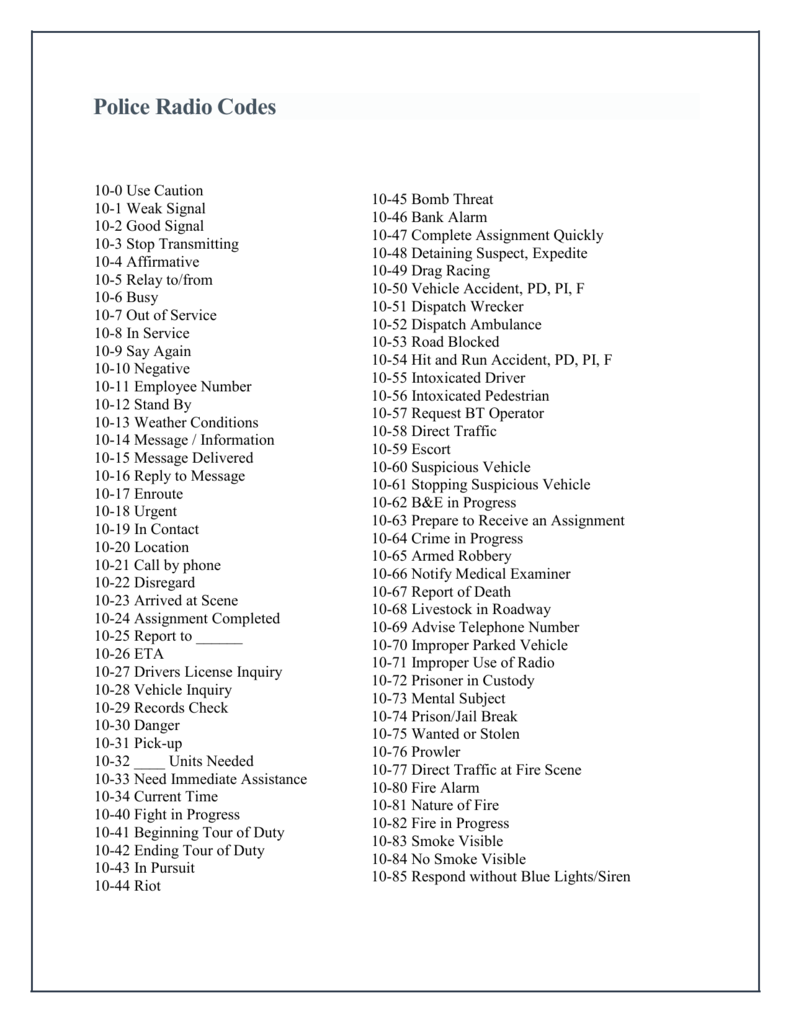
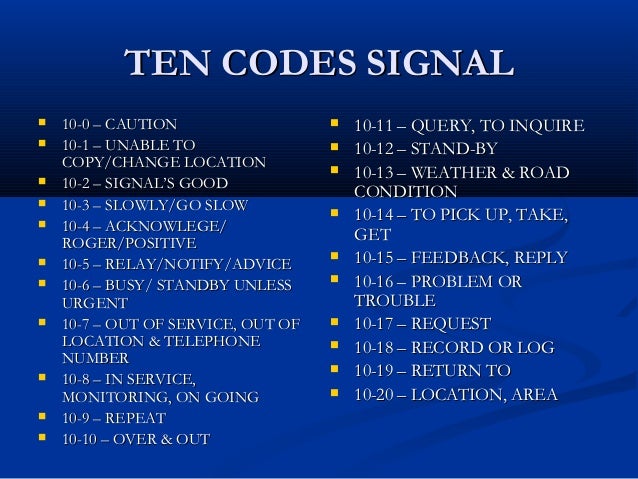
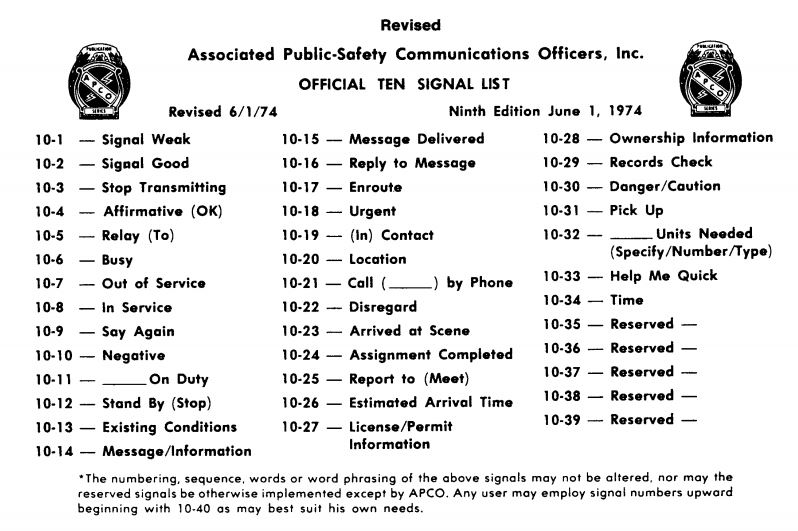
Now, a quick side note, because police codes are a bit like regional accents: they can vary! While Signal 7 is widely understood to mean a deceased person in many jurisdictions, especially in state highway patrols and some municipal departments, it's not universally standardized across every single police force in every single town. Some departments might use a 10-code (like 10-4, 10-99), or an entirely different signal system. But if you hear Signal 7, the general consensus points to that grave meaning. So, while it's good to be curious, don't assume every "Signal 7" you hear on a fictional show or a scanner is always the same everywhere. It's like trying to order "pop" in Texas versus "soda" in New York – same concept, different lingo!
Why the Codes?
Ever wonder why police use these codes instead of just saying "There's a dead body over here!"? There are a few good reasons, actually.
Firstly, brevity and speed. In high-stress situations, every second counts. Shouting "Signal 7!" is a lot faster and clearer than a full sentence, especially over a crackly radio.
Secondly, privacy and professionalism. Think about it. Do you really want the general public (or nosey neighbors with a scanner) hearing explicit, potentially disturbing details about a scene? Codes provide a layer of discretion. It maintains a certain level of professionalism and shields sensitive information from being broadcast openly to anyone listening. It's not about being secretive; it's about being respectful and efficient.

Lastly, and perhaps most profoundly for the officers themselves, codes can offer a degree of emotional distance. Constantly dealing with human tragedy, heartbreak, and the stark reality of life and death takes an enormous toll. Using a code, rather than the raw, direct language, can sometimes serve as a small buffer against the immense emotional weight of their job. Imagine having to say "dead body" ten times a day. Using "Signal 7" creates a slight separation, a professional boundary.
So, the next time you hear a police scanner, or even just catch a glimpse of emergency personnel at work, remember that there's a whole complex language behind those numbers and signals. A language that, for something like Signal 7, communicates one of the most profound and sorrowful events a human being can experience.
It's a stark reminder of the serious, often unseen, realities that police officers and first responders face every single day. And it certainly makes you think, doesn't it? About the hidden world that operates right alongside our everyday lives, always there, always vigilant, speaking in codes we only sometimes get to peek into.