What Does Service Monitor System Mean
Have you ever had that sinking feeling when your favorite app won't load, or a crucial website goes down right when you need it most? Or perhaps you're a business owner, and the thought of your online store crashing during a busy sale gives you nightmares? Welcome to the world of digital peace of mind, powered by something you might not even know exists: the Service Monitor System. It might sound like a super-technical term, but trust me, understanding this unsung hero is like discovering the secret ingredient behind a seamlessly running digital world!
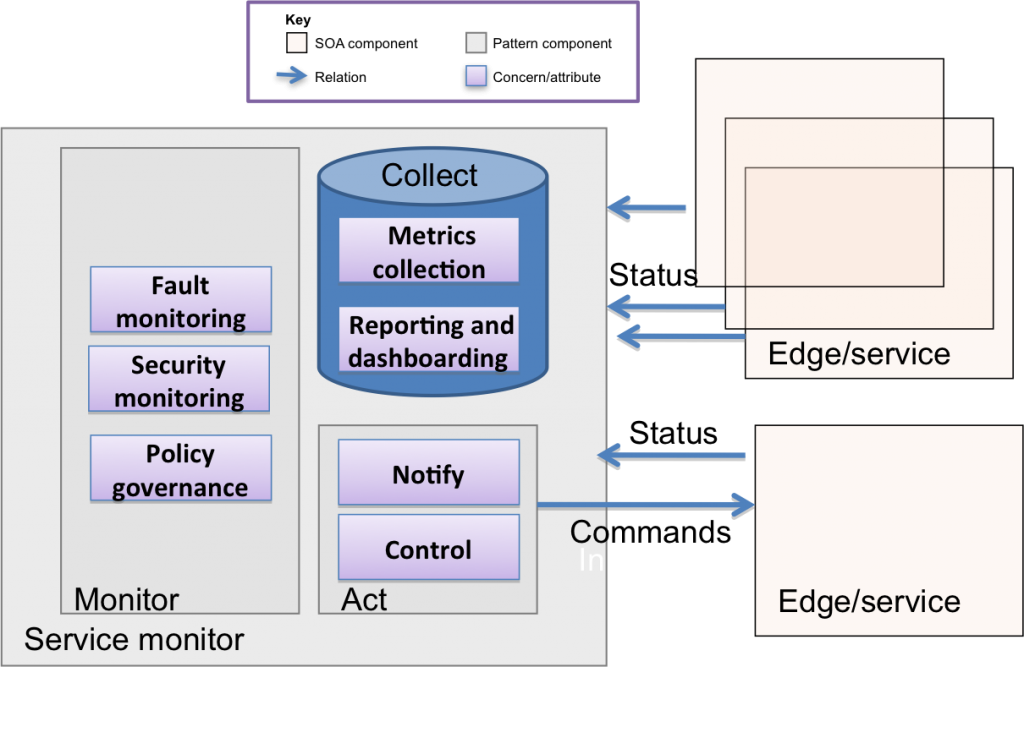
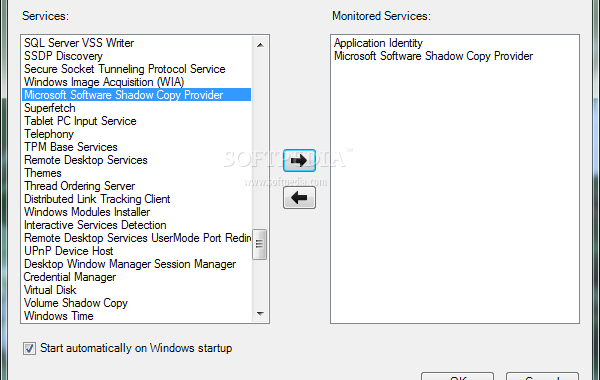
So, what exactly is a Service Monitor System? Imagine it as the ever-vigilant digital guardian for all the online services we rely on daily. From the streaming service that delivers your nightly entertainment to the complex backend of your bank's mobile app, these systems are quietly working behind the scenes. They're basically digital health checkups, continuously keeping an eye on servers, applications, networks, and databases to ensure everything is running exactly as it should be, 24/7.
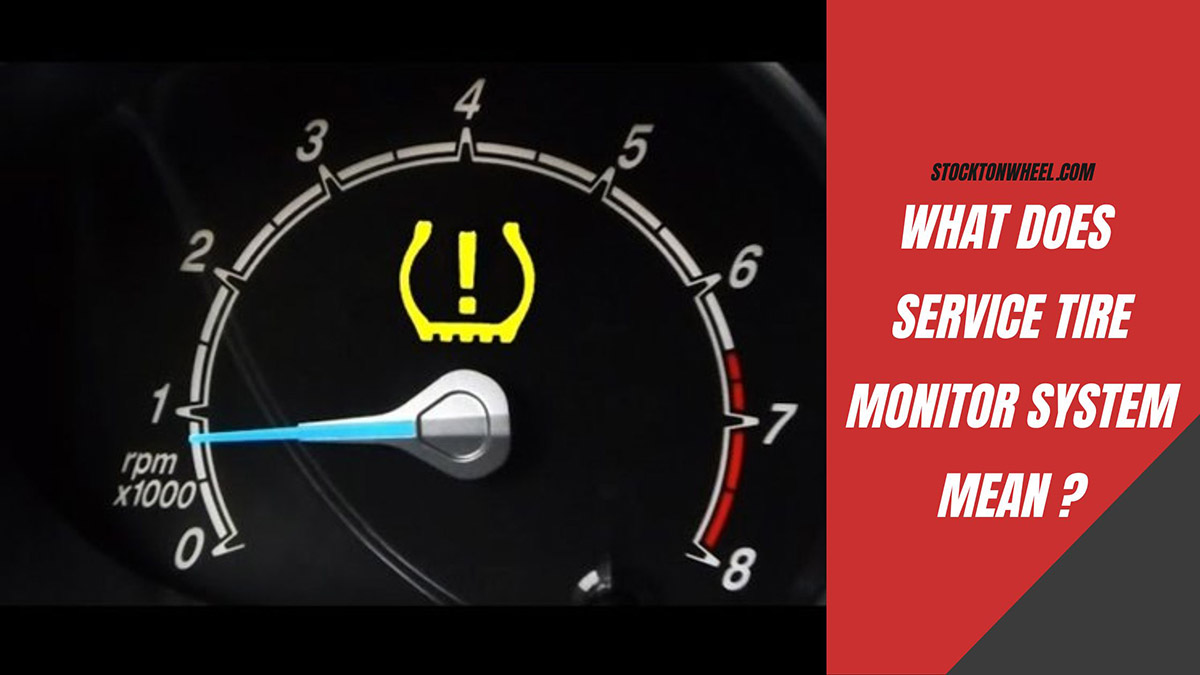
Think of it like the dashboard in your car. It constantly monitors your engine temperature, fuel level, oil pressure, and tire pressure. If something goes wrong, it flashes a warning light. A Service Monitor System does precisely that for digital services. It's programmed to collect data—things like response times, error rates, resource usage (CPU, memory), and network traffic. When these metrics stray from their expected norms, or if an outage occurs, the system doesn't just sit there. Oh no! It springs into action, sending instant alerts to the relevant team members, often before you even notice a problem.
Must Read
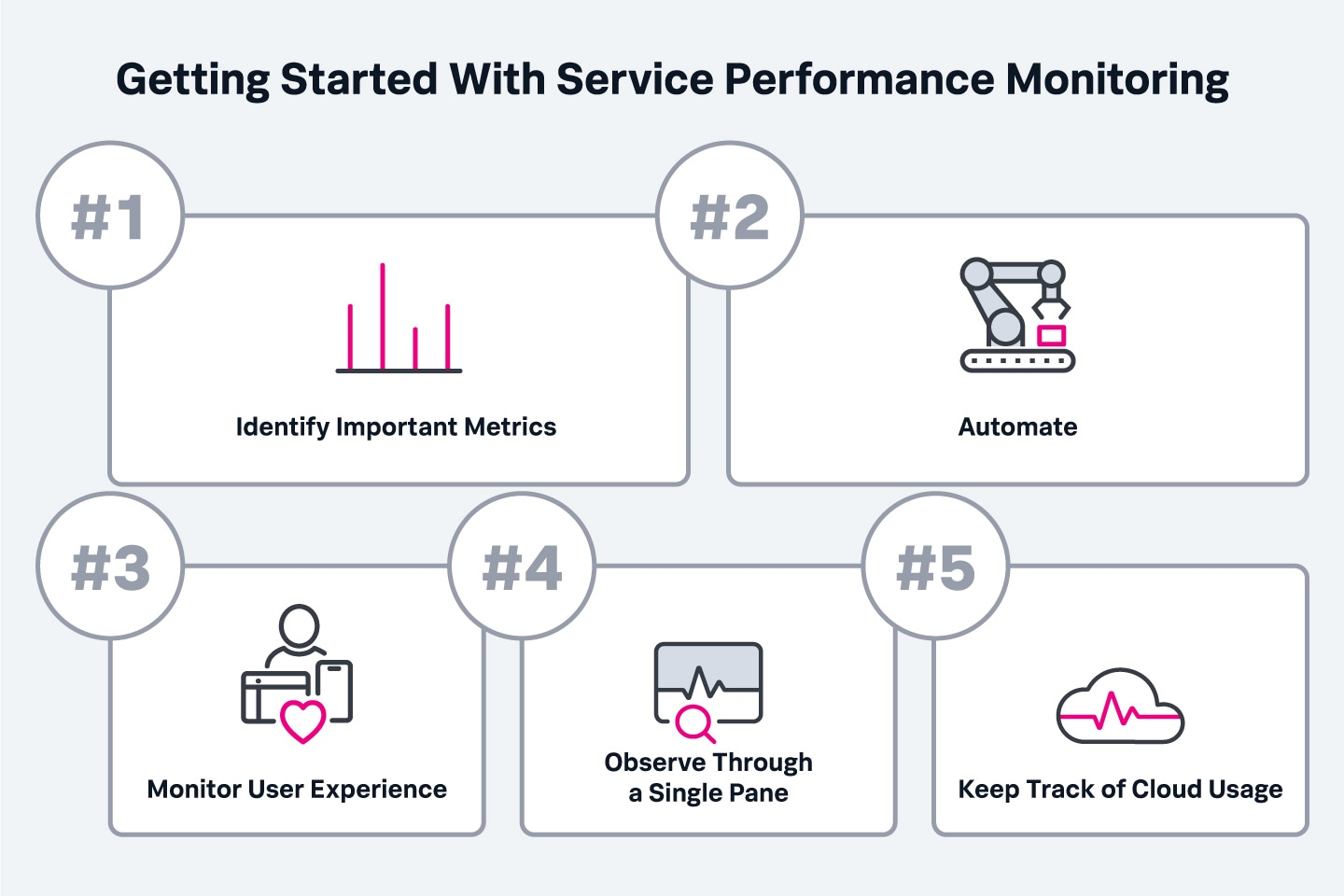
The benefits of such a system are enormous, both for businesses and for us, the end-users. For businesses, it means proactive problem-solving. Instead of waiting for customers to report an issue (which often leads to frustration and lost revenue), the monitoring system detects anomalies early. This allows IT teams to fix problems before they impact users, often preventing major outages entirely. It’s like having a crystal ball for potential tech troubles! This proactive approach also leads to significant cost savings by reducing the need for emergency fixes and minimizing downtime, which directly translates to lost income.

This leads directly to improved reliability and performance. Websites load faster, applications respond quicker, and services are consistently available. This isn't just about avoiding downtime; it's about ensuring a smooth, seamless user experience. Happy users mean loyal customers, better productivity, and a positive brand reputation. Furthermore, these systems provide valuable data for optimization and capacity planning. By analyzing historical trends and performance metrics, teams can identify bottlenecks, anticipate future demands, and make informed decisions to enhance their services even further, ensuring they can scale efficiently. It can even play a role in security, by alerting to unusual traffic patterns that might indicate a cyber threat.
In essence, a Service Monitor System is the tireless watchman, the digital doctor, and the performance coach all rolled into one. It empowers businesses to deliver robust, reliable, and high-performing digital experiences, making our increasingly connected lives that much smoother. So next time your favorite app works flawlessly, or a website loads instantly, give a silent nod to the invisible, ever-watchful Service Monitor System making it all possible!