What Does It Mean When Your Carbon Monoxide Detector Chirps
Ever been at home, minding your own business, when suddenly – chirp! A short, sharp little sound. Then silence. You wait. A few minutes later, chirp! again. It’s like a tiny, secret code. A persistent little voice calling out from somewhere in your house. What in the world is going on?
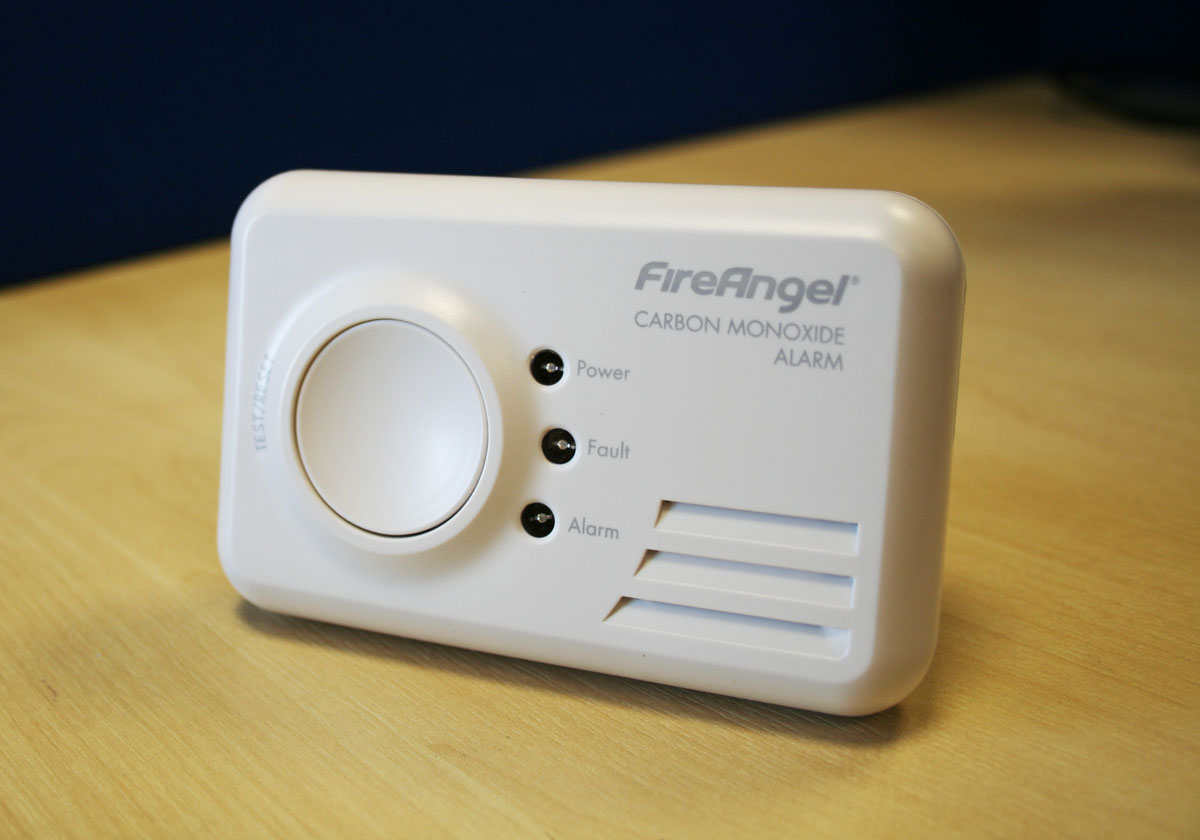
That distinctive little peep isn't just a random noise. Oh no. That's your carbon monoxide detector trying its very best to talk to you! It's not trying to annoy you. Really. This little gadget is a silent hero. It sits there, day in and day out, watching over your home. But when it chirps, it’s got something important to say.
Think of your carbon monoxide detector as a diligent little guard. Most of the time, it's perfectly quiet. It's just doing its job. It’s sniffing the air for a gas you can't see, smell, or taste. That gas is carbon monoxide, often called CO for short. It's a really sneaky gas. But your detector is on patrol, keeping watch.
Must Read
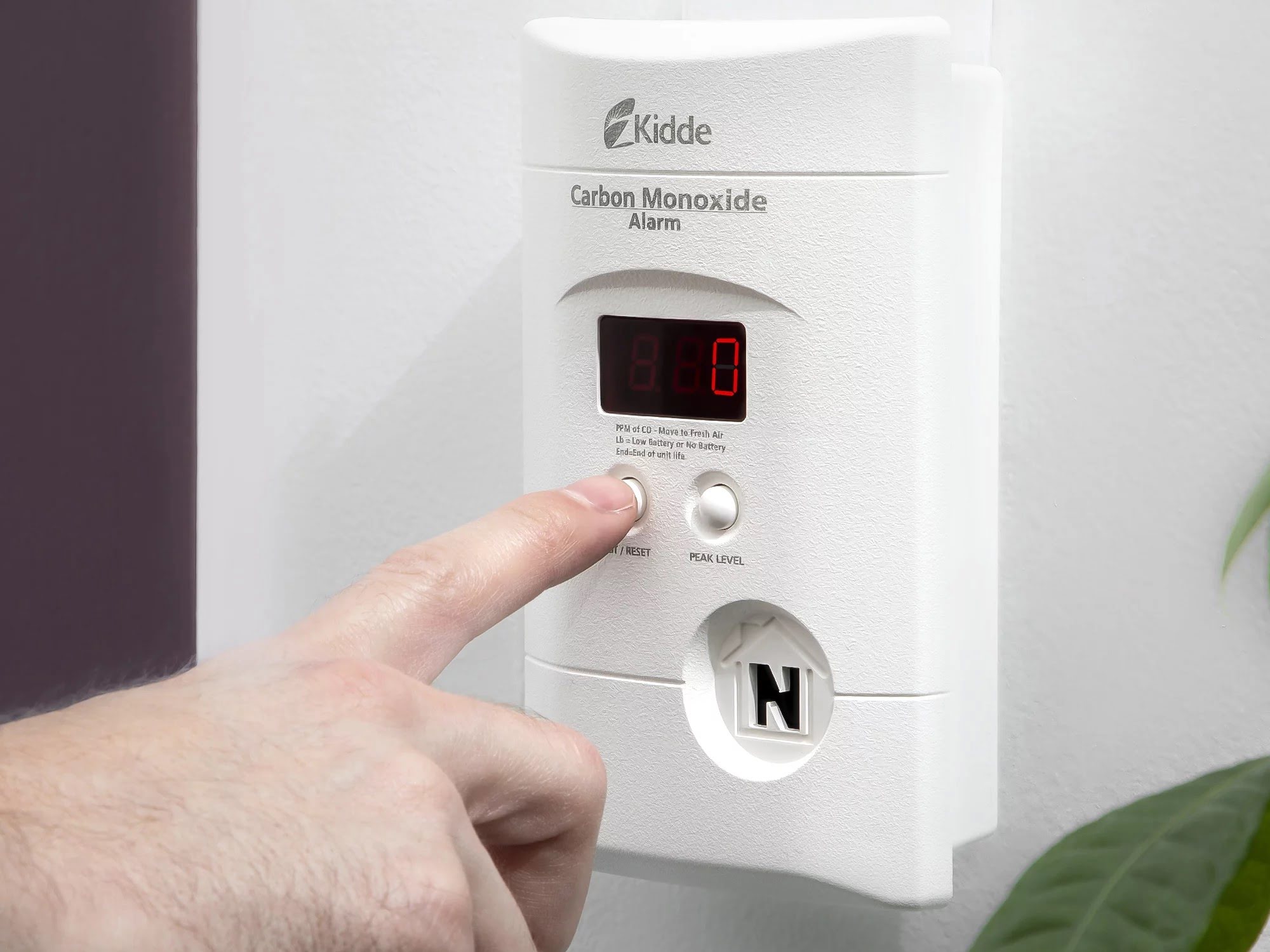
So, when it starts to chirp, it’s not just making noise. It’s sending you a message. And usually, it's a simple one. The most common chirp means, "Hey! I'm getting a little low on juice here!" Yes, that's right. It's often just telling you its battery needs changing. It’s like a tiny, polite request for a snack. A fresh battery will make it happy and quiet again. It wants to stay awake and alert for you.
Changing the battery is usually super easy. Just a quick swap. And then, blissful silence returns. Your little guardian is back to full power. Ready for duty once more. It's a small task with a big reward: peace of mind.
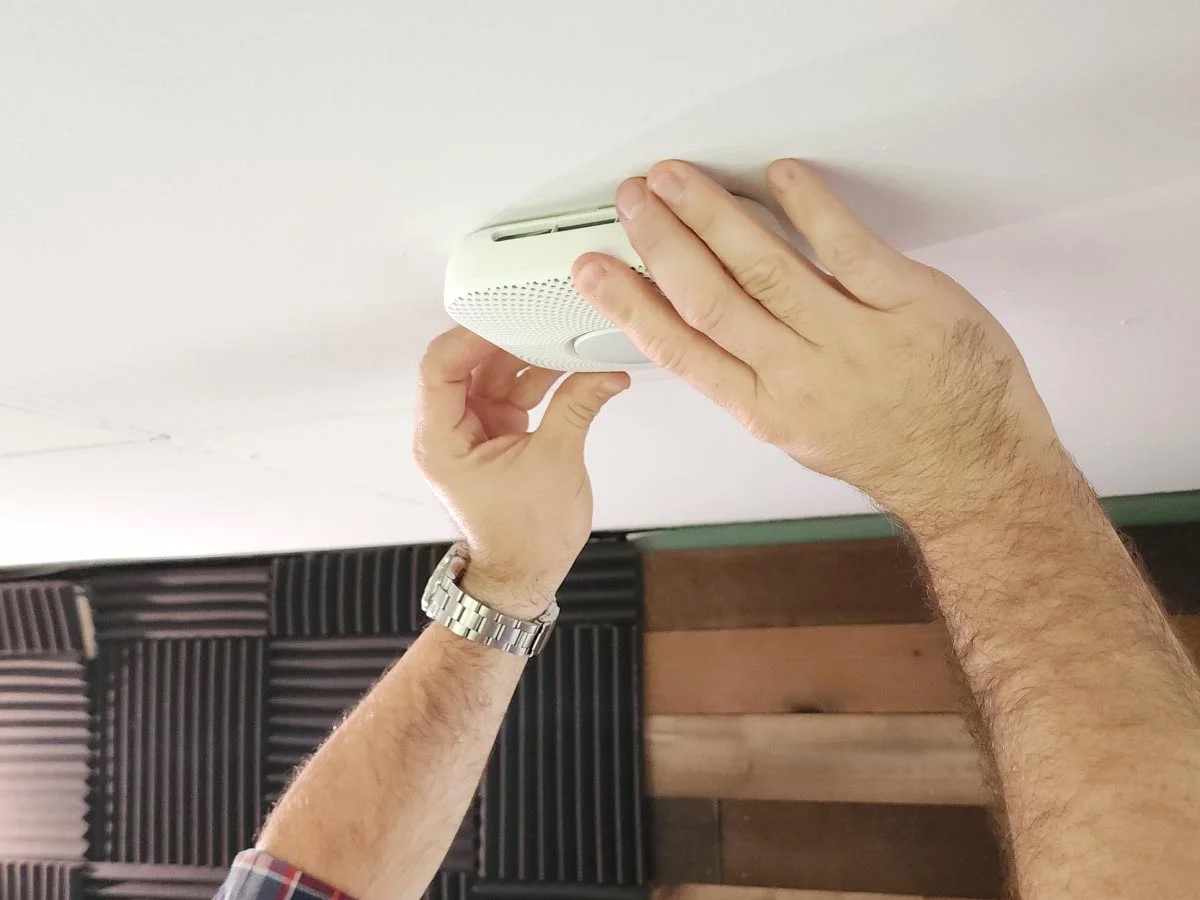
But sometimes, the chirp means something a bit different. Your carbon monoxide detector also has a lifespan. Just like many electronics, it doesn't last forever. Most detectors are designed to work reliably for about five to seven years. When it reaches the end of its working life, it’ll start chirping too. This particular chirp is its way of saying,
"My watch is over! Time for a new hero to take my place!"
This is called an end-of-life chirp. It means it's time to replace the whole unit. Even if it seems to be working fine, its sensors might not be as sharp as they once were. Think of it as your detector gracefully retiring after a long, faithful service. Giving it a proper send-off by replacing it with a brand new one is key.

It's pretty special, isn't it? This small device has a voice. It uses that voice to communicate vital information. It tells you when it needs attention. It's almost like a tiny member of your family, quietly looking out for everyone. And when it chirps, it's not just a nuisance. It's an invitation to connect. An important moment to listen. To understand what your home is telling you.
So, the next time you hear that distinctive chirp! echoing through your home, don't just ignore it. Don't let it become background noise. Instead, stop. Listen. Figure out where it's coming from. And check your carbon monoxide detector. Is it asking for a new battery? Or is it ready for retirement?
Giving your detector the attention it asks for is a simple act. But it ensures your home's silent guardian remains active and ready. It ensures it can keep doing its very important job. So, go on. Make friends with your detector. Learn its language. It's a fascinating and crucial conversation that keeps everyone safe.