What Does Dust Look Like On Night Vision Camera
Ever peeked at your home security camera feed late at night, only to spot what looks like a tiny, glowing snowstorm or a parade of ethereal orbs dancing across the screen? If your first thought was a supernatural guest or a rogue alien invasion, you're not alone. But before you call the ghostbusters, let's talk about the unsung star of these nightly dramas: dust. Yes, that mundane, everyday collection of tiny particles takes on a surprisingly cinematic role when viewed through the lens of a night vision camera.
It’s a peculiar phenomenon that has sparked countless online debates and even inspired some low-budget horror flicks. But what exactly transforms microscopic specks into these mesmerizing, sometimes spooky, visual effects? Let’s pull back the curtain on this nocturnal ballet and uncover the fascinating world of dust under infrared light.
The Magic Behind Night Vision (and the Dust)
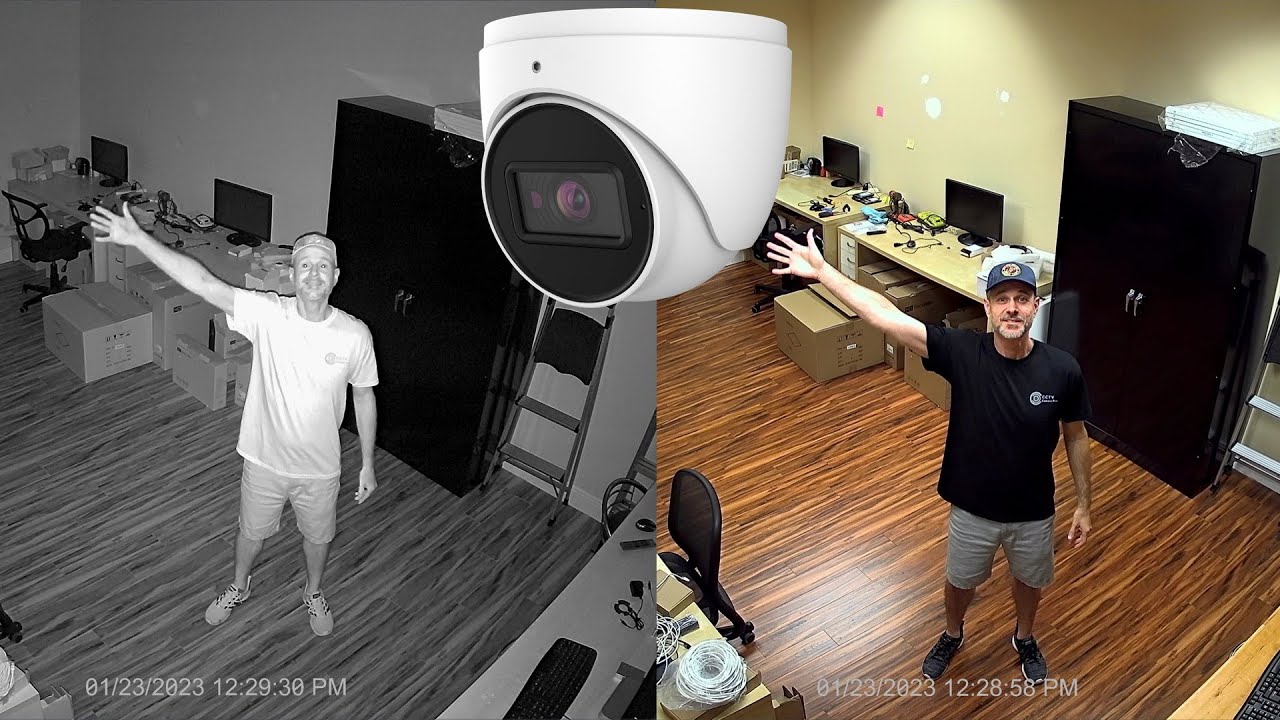
Before we dive into dust specifics, a quick primer on how most consumer-grade night vision cameras work is in order. These devices typically use infrared (IR) illuminators. Think of them as invisible flashlights that beam IR light into the darkness. This light bounces off objects, and the camera's sensor, which is highly sensitive to IR, captures it, converting it into the familiar monochromatic (black and white or green-tinted) image you see on your screen.
Must Read
The key here is that infrared light behaves differently than visible light, and dust particles, though tiny, become excellent reflectors of this invisible energy. They’re like miniature disco balls, catching and scattering the IR rays right back into the lens.
So, What Does Dust Actually Look Like?
This is where it gets interesting! You won't see dust as individual, sharp particles. Instead, you'll witness a spectacle of various forms:

- Glowing Orbs: These are arguably the most common and often misunderstood. A dust particle very close to the camera lens, especially if it’s spherical or catches the IR light just right, can appear as a soft, glowing, out-of-focus circle. The closer it is to the lens, the larger and more pronounced the orb will seem. It’s a trick of perspective, not a spectral entity!
- Streaks and Trails: If a dust particle is moving quickly across the frame, particularly in a breezier environment, it might appear as a blurry streak or a short, fleeting tail. Imagine a tiny meteor shower happening right in your living room.
- Fuzzy Snow: In a heavily dusty environment, or during a slight breeze that stirs up many particles, your screen might look like it's experiencing a sudden flurry of fuzzy, out-of-focus snowflakes. It’s less "silent night" and more "blurry blizzard."
It’s important to remember that these aren't truly luminous; they're simply reflecting the camera's own IR light back at the sensor. It's similar to how car headlights illuminate fog – the fog isn't glowing, it's just reflecting the light.
Why Does It Look Like That? The Science Bit
Several factors contribute to dust's dramatic appearance on night vision:

- Proximity to the Lens: As mentioned, particles extremely close to the lens appear larger and more out-of-focus due to the camera's shallow depth of field for these tiny, nearby objects.
- IR Illumination: The intensity and direction of the camera's IR lights play a huge role. Brighter IR means dust particles reflect more light, appearing more prominent.
- Air Current: Still air might show fewer particles, while a gentle draft (from an open window, an HVAC vent, or even a pet walking by) can kick up a dazzling display.
- Particle Size and Composition: While all dust reflects IR, larger or more irregularly shaped particles might appear brighter or create different visual effects.
Practical Tips for the Night Vision Aficionado
So, you're now a dust-spotting expert. But what if you want to minimize these nightly light shows? Here are a few tips:
- Keep it Clean: Regularly wipe down your camera lens with a microfiber cloth. A clean lens reduces any smudges that might catch IR light and exacerbate the dust effect. Also, vacuum the area around the camera frequently.
- Strategic Placement: Try to place your camera in an area with minimal airflow, away from vents, open windows, or high-traffic zones where dust is easily disturbed.
- Check Your Environment: If you see a particularly active "dust storm," consider if there's an obvious source – perhaps a recently disturbed blanket, a pet grooming itself nearby, or even construction dust from outside.
- Don't Panic: If you're concerned about actual movement versus dust, look for consistent patterns of movement, clear outlines, or objects that move through the dust, rather than dancing with it. Most smart cameras also have motion zones and sensitivity settings that can help filter out such tiny, fleeting disturbances.
A Little Cultural Nod & Fun Fact
It's fascinating how dust "orbs" have become a staple in many paranormal investigation shows and online communities. People often interpret them as spirits or energy manifestations. Knowing the scientific explanation doesn't take away from the intrigue; it simply shifts our wonder from the supernatural to the physics of light and matter. Speaking of matter, did you know that household dust is a complex cocktail of dead skin cells (mostly from humans and pets), textile fibers, pollen, soil particles, and even tiny bits of plastics? It's a miniature ecosystem!
Next time you see those mysterious glows, remember you're not seeing ghosts, but rather a tiny, uninvited, but utterly captivating dance troupe performing just for your camera. It's a reminder of the invisible world around us, constantly in motion, and only occasionally revealed through the right technological lens.
Bringing It Home: A Reflection
In our fast-paced lives, it's easy to overlook the small details. The dust on our night vision camera, initially a potential source of confusion or even fear, turns out to be a beautiful, scientifically explainable phenomenon. It reminds us that there's always more than meets the eye – or in this case, more than meets the visible light spectrum. Taking a moment to understand these tiny quirks of technology and nature can add a surprising layer of appreciation to our everyday world, turning something mundane into a moment of wonder. So, next time you see that starry night on your screen, instead of reaching for the exorcist, maybe just admire the tiny, sparkling universe in your living room.