What Does 2 Beeps Mean On A Carbon Monoxide Detector

You know that feeling, right? You're peacefully going about your day, maybe enjoying a quiet afternoon, when suddenly, a little chirp breaks the silence. It’s not your phone, not a bird, but a mysterious beep from somewhere in your home. Our modern lives are full of gadgets that communicate with us, and often, these little beeps are trying to tell us something important. Today, let's turn our curious minds to a truly vital home device: the carbon monoxide detector. Specifically, we’re going to unravel the mystery of what two beeps might mean. It's not just about safety; it's about understanding the language of your home and feeling empowered to keep it safe.
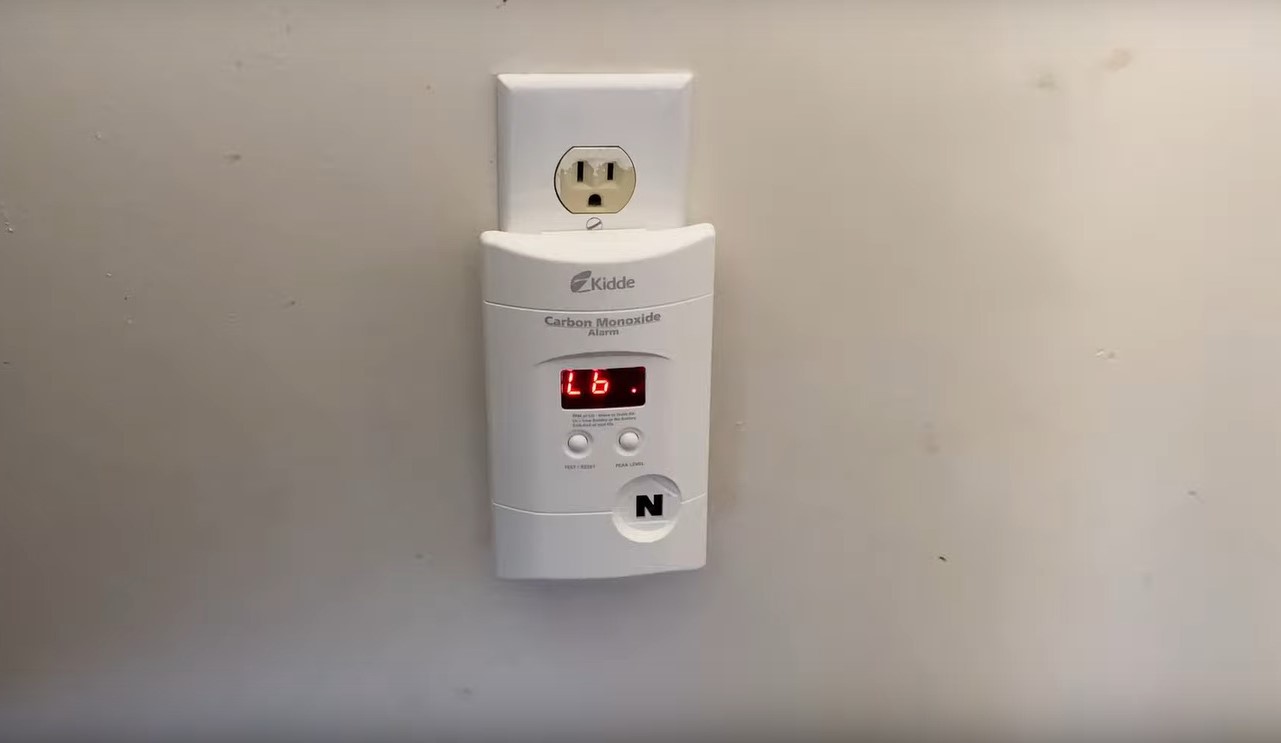
A carbon monoxide (CO) detector is an absolute lifesaver, designed to warn you about the presence of a colorless, odorless, and highly toxic gas that can be deadly. When it screams a loud, continuous alarm, you know you have to act immediately. But what about those quieter, less urgent chirps? That's where the two-beep signal often comes in. For many CO detectors, hearing two beeps typically signifies one of two things: either a low battery warning or an end-of-life (EOL) warning. Think of it as your detector giving you a gentle nudge, a polite heads-up that it needs a little attention, rather than an emergency siren. The benefit here is huge: it allows you to maintain continuous protection, ensuring your device is always ready to alert you to a genuine threat, long before it fails completely.
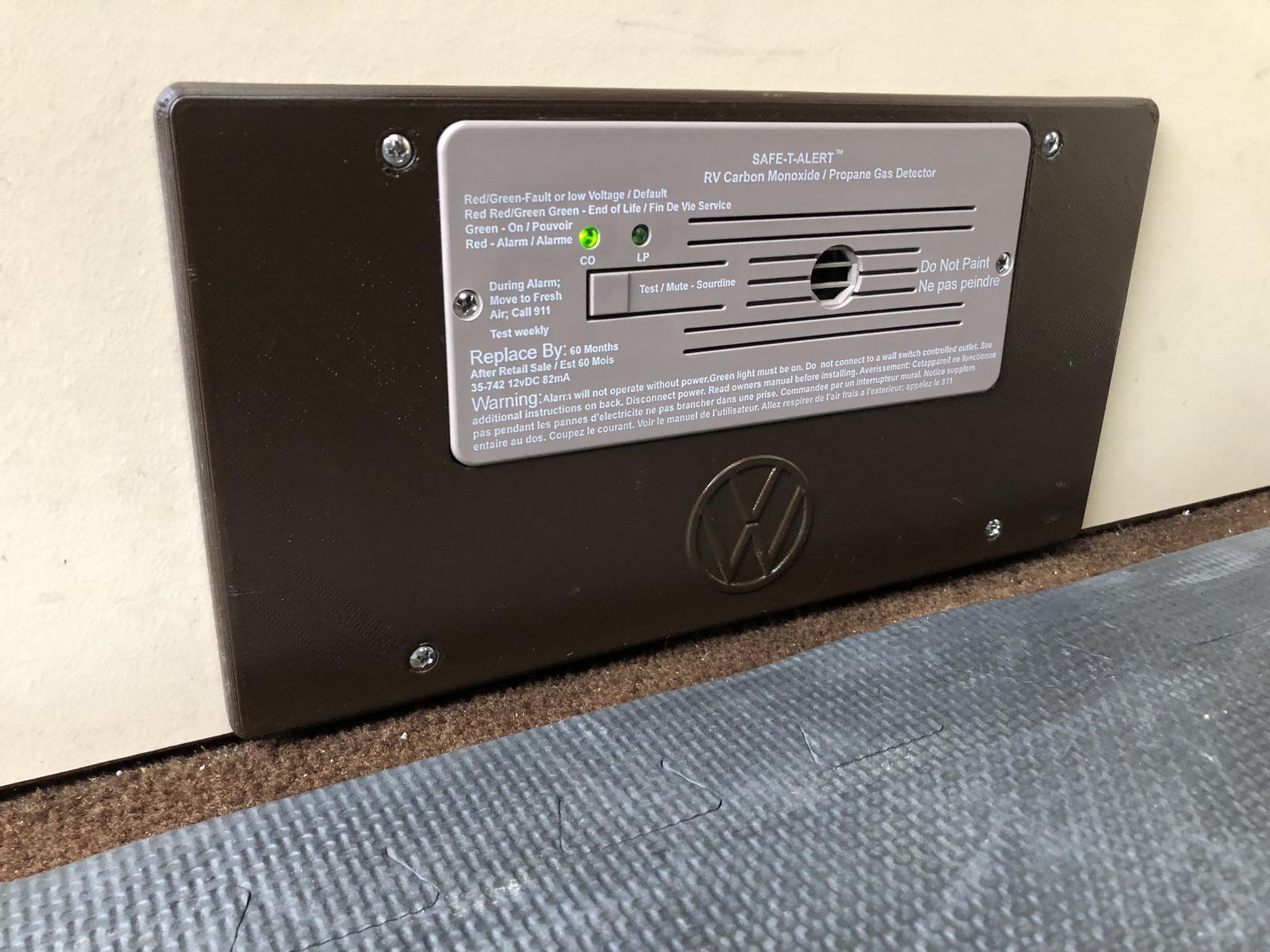
Understanding these signals isn't just for the ultra-prepared; it's a simple piece of knowledge that fits right into our daily lives and can even be a fun learning point. In education, discussing the different sounds of smoke and CO alarms is a fantastic way to teach kids about home safety during fire drills or community workshops. For adults, it's part of being a responsible homeowner or tenant. Imagine moving into a new place: knowing to listen for these specific beeps can prompt you to check and replace detectors right away. Or perhaps you're setting up a cozy winter retreat; a quick check of your CO detector's battery status and age can offer immense peace of mind before you fire up the furnace or fireplace. Even in RVs and campers, where portable CO detectors are crucial, recognizing these warning chirps is a vital skill.
Must Read
So, how can you become a CO detector beep-decoder extraordinaire? It's easier than you think! The absolute number one tip is to read your detector's manual. Seriously! While two beeps often mean low battery or EOL, specific models might have slightly different codes. Most detectors have a "replace by" date printed on the back or side; checking this regularly can help you anticipate an EOL warning. Keep a few spare batteries on hand for battery-powered units – a small investment for continuous safety. Make it a habit to test your detector regularly using its "Test" button (this confirms the alarm works, though it won't simulate a low battery). And finally, simply don't ignore any persistent chirps or beeps. They're not just random noises; they're valuable messages from a device designed to protect you and your loved ones. By tuning into these subtle signals, you’re not just being safe; you’re being brilliantly proactive!