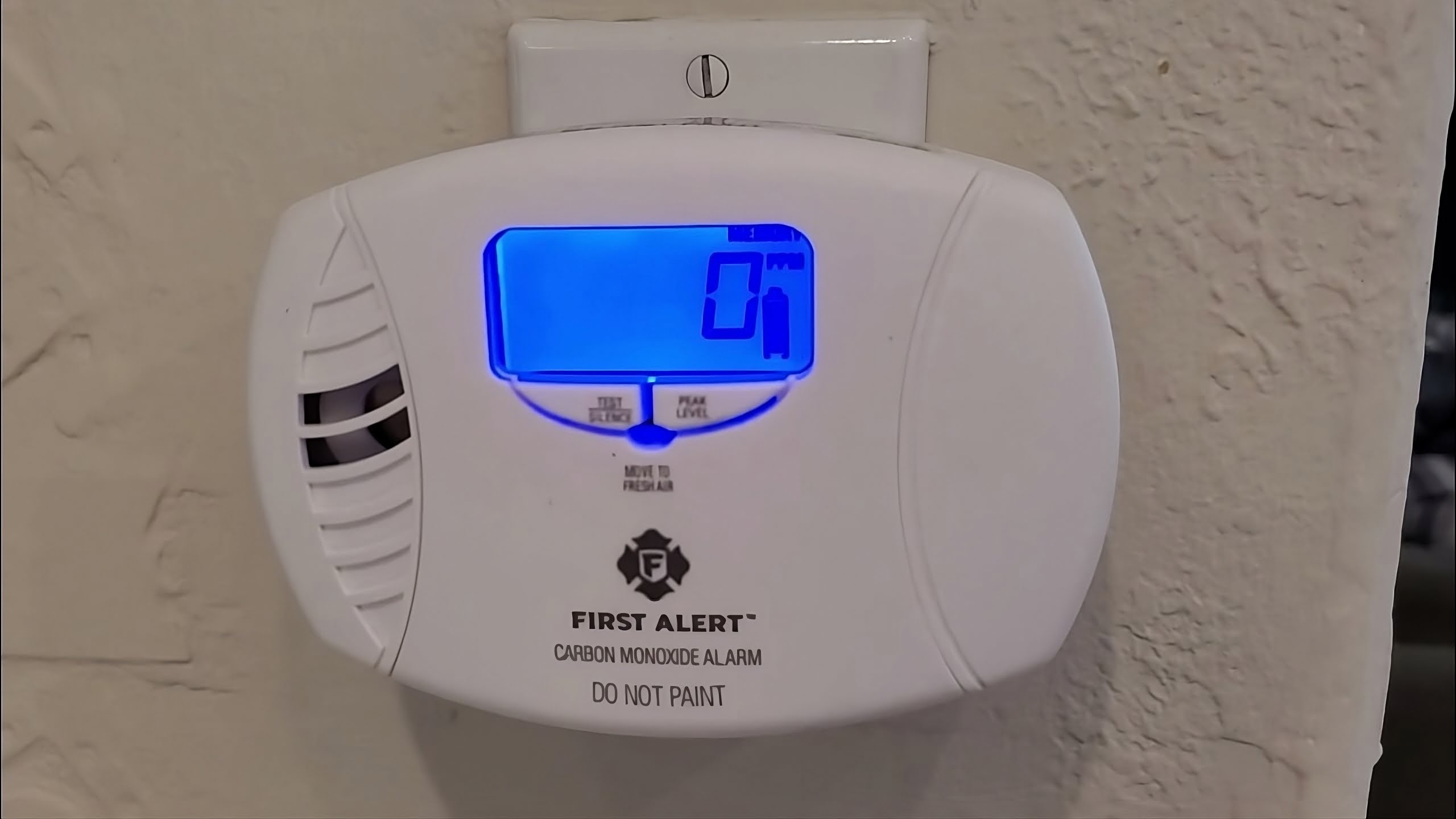
What Can Set Off A Carbon Monoxide Alarm

Alright, settle in, grab your coffee, because we need to talk about that little gadget in your house that occasionally decides to throw a full-blown tantrum: your carbon monoxide alarm. We all know it's there to protect us from the silent killer, CO, and that's super important. But let's be real, sometimes it shrieks like a banshee when there's not a whiff of actual danger. What gives? These vigilant little sentinels can be a bit… extra. While their primary job is to detect carbon monoxide – a colorless, odorless, tasteless gas – sometimes they get a little confused. Or maybe, they’re just trying to tell you something else entirely.
The Obvious Culprit: Actual Carbon Monoxide!
Let's kick things off with the big one, the reason these alarms exist: actual carbon monoxide. This is the serious stuff. CO is created when fuels like natural gas, propane, oil, wood, or charcoal don't burn completely. Think of a wonky furnace, a gas stove that's not quite happy, or a car running in an enclosed garage (please never, ever do that!).
If your alarm blares and you suspect actual CO—perhaps an appliance is faulty or you feel lightheaded—do not hesitate. Get everyone, including pets, out immediately and call 911 or your gas company. This isn't the time for jokes; it’s the time for swift action. Your alarm is doing its job, saving lives. Bravo!
Must Read
When Your Alarm Gets a Little Too Excited: False Alarms!
Now, for the more theatrical side of your CO alarm – the false alarms. These are the moments when your heart leaps, you scramble, only to find… nothing. Just your alarm being a drama queen. Let’s explore the surprisingly mundane things that can make it scream.
Chemical Cleaners & Sprays
Ever been cleaning the bathroom with industrial-strength cleaner, only for your CO alarm nearby to start wailing? Yep, that’s a thing! Many CO alarms, especially older or more sensitive models, can react to volatile organic compounds (VOCs) found in household cleaning products, aerosols, hairspray, paint fumes, and even bug sprays. It's like your alarm is saying, "Whoa, chemical weapon?!" It's not CO, but strong fumes can trick the sensor. Open a window, ventilate, and give your alarm a little pep talk.
Cooking Shenanigans
While a CO alarm isn't a smoke alarm, certain cooking incidents can sometimes cause a false trigger, especially if it’s a combined smoke/CO detector, or if strong fumes waft near a sensitive unit. Burning toast to a crisp? Charred microwave popcorn? Fumes from seriously burned food, or residual combustion products from gas ovens, can occasionally set off a super-sensitive CO alarm. It’s your alarm's way of judging your culinary skills. Ventilate!
Humidity & Steam
This one always catches people by surprise. A long, hot shower, a steamy bathroom, or even an active humidifier can sometimes trigger a CO alarm. Sensors can be sensitive to rapid changes in humidity or moisture particles. It's like your alarm thinking, "Gas leak, or peak relaxation? I'll assume gas leak!" So, if your alarm goes off right after an epic shower, try airing out the room.
Dust Bunnies & Bug Intruders
Believe it or not, your CO alarm can sometimes be triggered by something as innocent as a dust bunny taking residence inside its sensor, or a tiny spider spinning a web. Anything that obstructs the sensor or creates a micro-environment can cause it to malfunction and scream for attention. It’s essentially your alarm saying, "Intruder alert! Fuzzy menace!" A quick, gentle vacuuming around the vents (don't open it!) can often fix this.
The "I'm Dying!" Beep (Battery Low / End-of-Life)
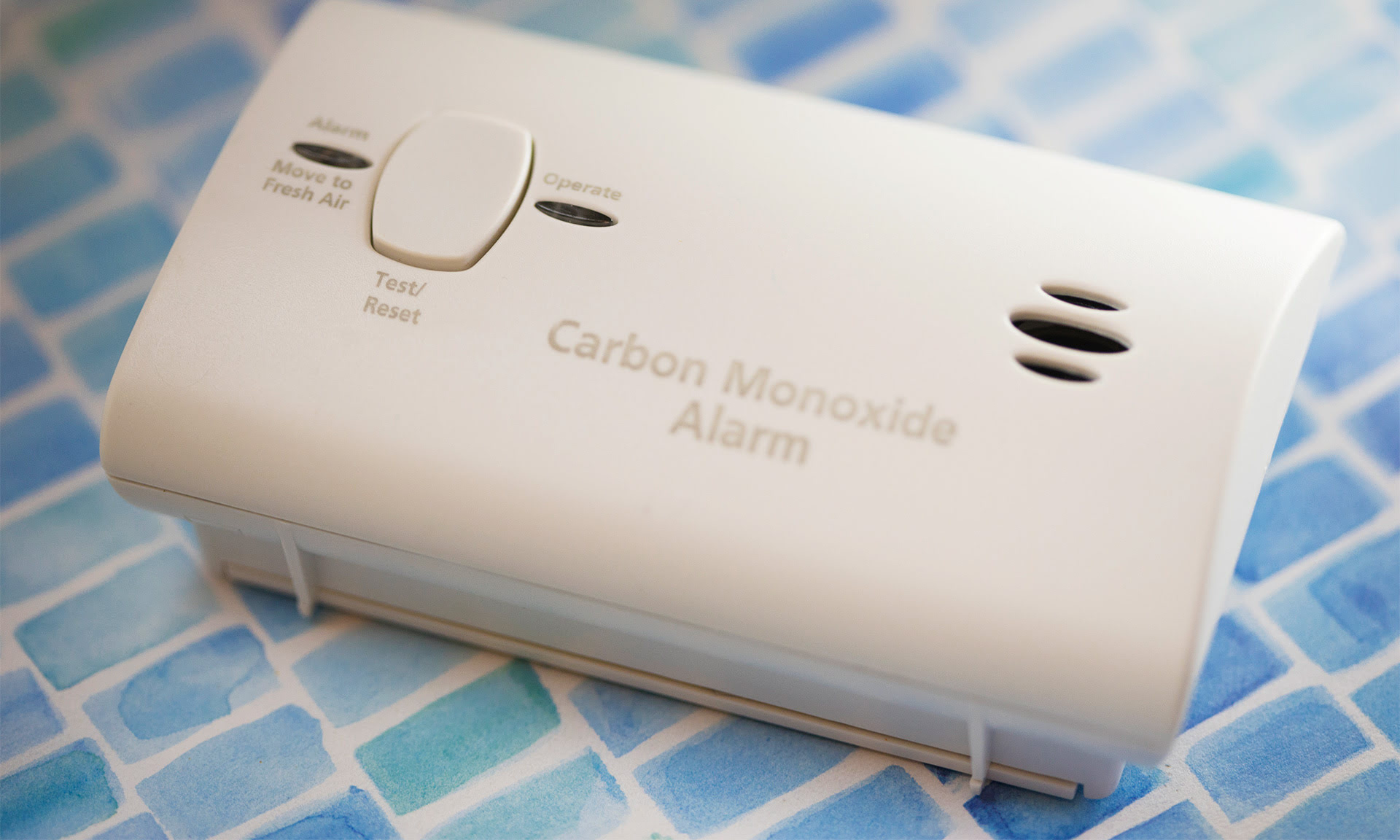
Ah, the infamous low-battery chirp. While not a full alarm wail, this intermittent beep is often mistaken for a CO alert, especially at night. It’s your alarm begging for a new 9-volt or, worse, signalling its useful life (usually 5-7 years) is over. This isn't a dangerous false alarm, but it is a "is there CO?!" false alarm. It's just your alarm having an existential crisis.
Sensor Sensitivity & Old Age
CO alarms don't last forever. Their sensors degrade over time, typically becoming less reliable after 5-7 years. An aging sensor might become overly sensitive, throwing false alarms for no apparent reason, or worse, becoming undersensitive and failing to detect actual CO. Think of it as your alarm going through its golden years – a bit forgetful, prone to yelling at clouds (or cleaning fumes). Always check the manufacturing date and replace it when recommended. It’s a small price for peace of mind.

What to Do When It Screams (Again)
So, your alarm is blaring like it just saw a ghost. First things first: don't panic. Take a deep breath. If anyone feels unwell, or if you actually suspect CO (e.g., from an unvented appliance), evacuate immediately and call emergency services.
If you're pretty sure it's a false alarm, ventilate by opening windows and doors. Press the reset button. If it stops, great! If it goes off again, or keeps going off after airing out, then call the fire department. Better safe than sorry, even if your alarm is just being dramatic.
Ultimately, these little guardians are doing their best. Even when they’re overly enthusiastic, they’re reminding us to be vigilant. Give your CO alarm a nod of appreciation. It's a lifesaver, even if it occasionally thinks your hairspray is a gas leak!