
What Are The Three Primary Methods Of Chemical Exposure
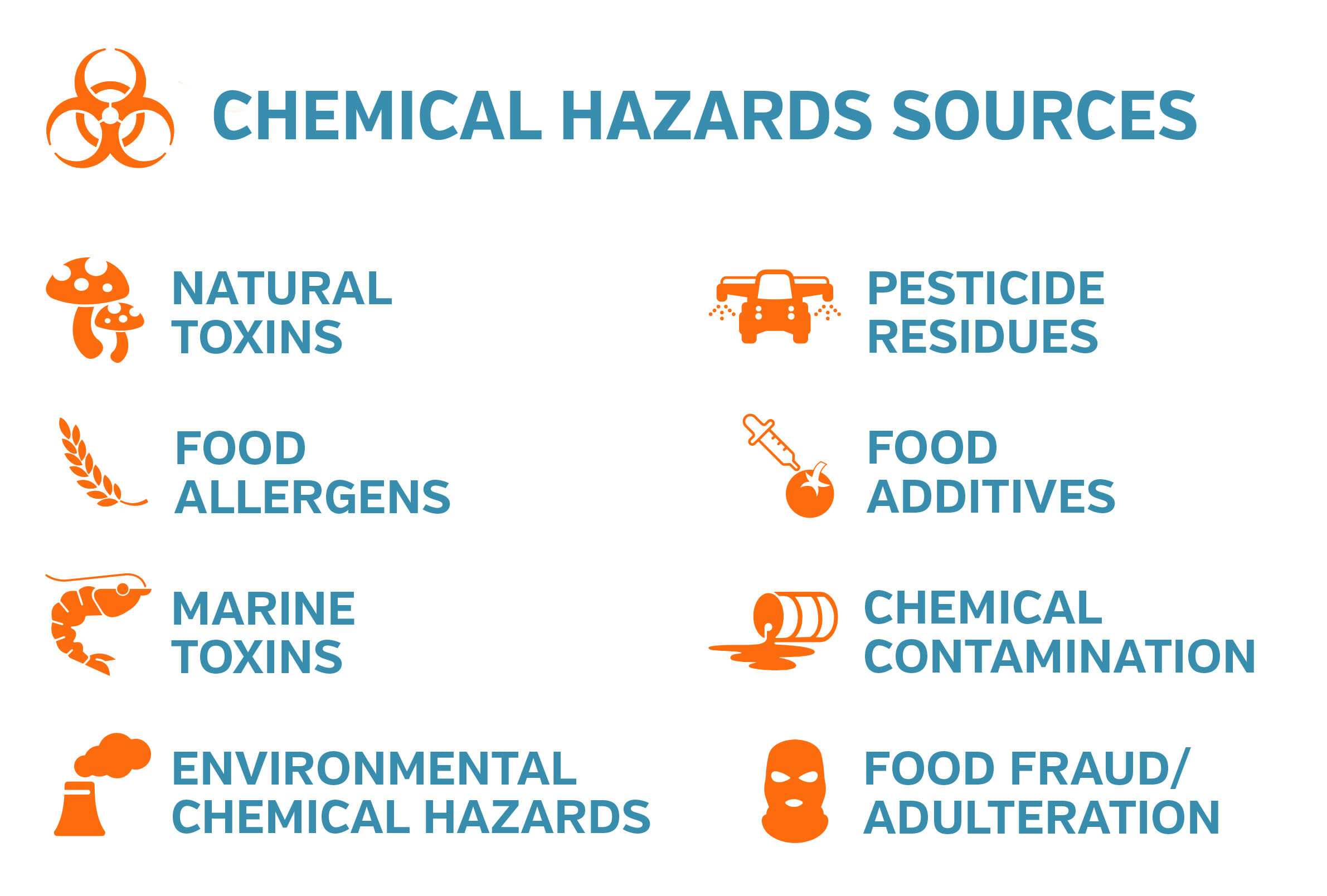
Okay, folks, gather 'round! Let's talk about something super important, but we're going to make it fun – like a chemistry experiment that doesn't involve exploding beakers (promise!). We're diving into the world of chemical exposure! Now, before you imagine yourself in a hazmat suit, let's break down the three main ways these sneaky substances can find their way into our bodies. Think of it as understanding the "attack routes" of the chemical kingdom!
The Triad of Troubles: How Chemicals Get to You
There are three primary paths of chemical exposure: Inhalation, Absorption, and Ingestion. Let's explore them together!
Route #1: Inhalation - The Breath Bandit
Imagine you're baking cookies, and that warm, delicious aroma fills the air. That's inhalation in action! Only instead of cookie goodness, we're talking about chemicals floating around and hitching a ride into your lungs when you breathe. This is especially common with things like vapors, gases, dusts, and mists. Think spray paints, cleaning products, or even dust kicked up during construction.
Must Read
Now, I'm not saying you need to hold your breath every time you smell something other than flowers (though that could be a… choice). But it does mean being mindful of what you're breathing in. Things like proper ventilation are key. Open a window when you're using cleaning products, and if you're working with something particularly nasty, a respirator or mask is your best friend. Think of it as a superhero mask against invisible villains!
"Breathing is essential, but breathing smart is even better!" - Dr. Air Flow (a fictional expert on air quality)
Route #2: Absorption - The Skin Soak
Our skin! It’s our biggest organ, our protective barrier, and… a surprisingly permeable membrane! Absorption, or dermal contact, is when chemicals sneak through our skin and into our bloodstream. Think of it like a sponge soaking up water. Some chemicals are worse than others at this – some just sit on the surface, while others dive right in!

This is where protective gear comes in handy. Gloves are your best friend when handling cleaning supplies, pesticides, or even certain types of cosmetics. Long sleeves and pants can also offer a line of defense. And if you do get something on your skin, wash it off immediately! Don't let it sit there and party on your pores. Think of it as a quick shower to kick out the uninvited guests.
Consider sunscreen, the most celebrated example of absorption that we want. Remember that not all absorption is bad, but being aware of what substances you are letting touch your skin can help minimize the bad.
Route #3: Ingestion - The Accidental Snack
Okay, this one's hopefully the least likely, but still important. Ingestion is when you swallow a chemical. I know, I know, nobody plans to eat chemicals (unless you're a supervillain, maybe?). But it can happen accidentally. Think about touching a contaminated surface and then eating a sandwich without washing your hands. Eww! Or accidentally drinking from a improperly labeled container.
The solution here is simple: Hygiene is your superpower! Wash your hands regularly, especially before eating, drinking, or smoking. Store chemicals in properly labeled containers, away from food. And for the love of all that is holy, don't taste things to identify them! Unless you are a professional taste-tester of chemicals (which, I hope, is not a real job), leave the detective work to the experts.

Also, store chemicals properly! Little Timmy shouldn't be able to reach the bleach under the sink.
Knowledge is Power! (and Prevents Chemical Chaos!)
So there you have it! The three primary methods of chemical exposure: Inhalation, Absorption, and Ingestion. Understanding these routes is the first step to protecting yourself and your loved ones. Remember, being aware is half the battle. Be mindful of the chemicals around you, take precautions, and stay safe! Now go forth and conquer the world, one non-toxic breath at a time!
