
What Are The Branches Of Quantitative Management

Hey there, curious minds! Ever wonder how big companies make those mega-decisions? Or how they predict what you’ll want to buy next? Chances are, it involves something super interesting called Quantitative Management. Don't let the name scare you. It's really just about using numbers and data to make better decisions. Think of it like being a detective, but instead of fingerprints, you're using spreadsheets!
But wait, before you run off screaming "Math!", let's break it down. Quantitative Management isn't just one big blob of numbers. It has branches, like a sprawling oak tree. Each branch helps managers solve specific kinds of problems. Ready to explore this data-driven forest?
The Forecasting Fanatics
First up, we have Forecasting. This is all about predicting the future. I know, sounds like crystal ball stuff, right? Well, not quite. Instead of magic, these wizards use historical data and statistical models to anticipate things like future sales, demand, or even economic trends.
Must Read
Imagine trying to run a lemonade stand without knowing how many people are likely to walk by on a hot day. You'd be totally lost! Forecasting gives businesses that crucial peek into what’s coming, allowing them to plan ahead and avoid getting caught short (or drowning in lemons!).
They use techniques like time series analysis (looking at data patterns over time) and regression analysis (understanding how different variables influence each other). Think of it like predicting the weather, but for business!
The Optimization Obsessives
Next, we have Optimization. These guys are all about finding the best possible solution. They're like the efficiency experts of the business world, constantly tweaking and refining processes to squeeze out every last drop of performance.
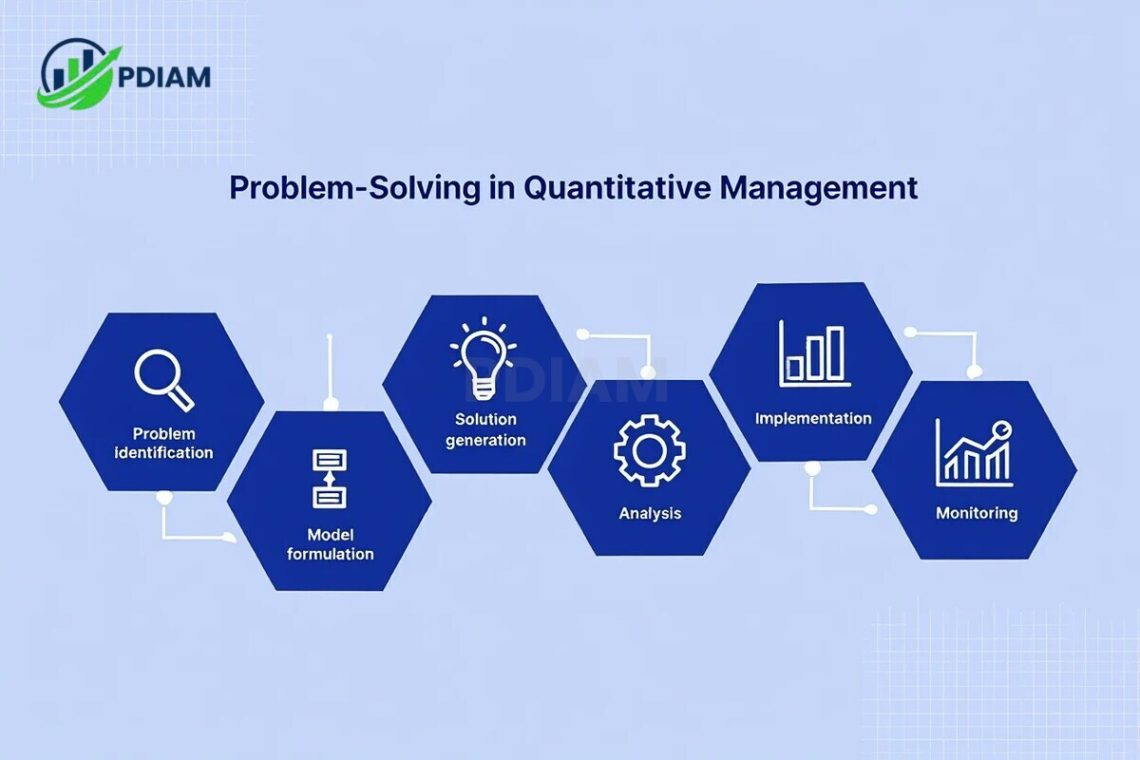
Think of a delivery company trying to figure out the fastest route for their trucks. Optimization techniques, like linear programming or network analysis, help them minimize travel time, fuel costs, and even driver fatigue. They can make sure their resources are used in the absolute most efficient way! This might also involve making sure a manufacturing production is at its maximum output, while keeping costs at its lowest.
It's like playing Tetris with resources, always trying to fit everything together perfectly.
The Simulation Savants
Then there’s Simulation. Ever played a video game where you could build a city and see how it grows? Simulation is kind of like that, but for businesses. It allows managers to create a virtual model of a real-world system and experiment with different scenarios to see what happens.
Want to know what would happen if you increased your marketing budget by 20%? Or what if a new competitor entered the market? Simulation can help you find out, without actually risking real money. These scenarios help the business prepare for the potential outcomes in the real-world.
It's like a risk-free dress rehearsal for major business decisions, giving you a chance to iron out any wrinkles before the big performance.
The Inventory Investigators
And let's not forget Inventory Management. This branch deals with the complex challenge of balancing supply and demand. It's about making sure you have enough stock to meet customer needs, without ending up with a warehouse full of unsold goods.

Imagine trying to run a grocery store. You need to have enough milk, bread, and eggs on hand to satisfy your customers, but you don't want to end up throwing away spoiled food. Inventory management techniques, like economic order quantity (EOQ) and Just-in-Time (JIT) inventory, help you optimize your inventory levels and minimize waste.
It's like being a master chef, constantly adjusting your recipes to use up all your ingredients perfectly.
The Decision Analysis Detectives
Finally, there’s Decision Analysis. This branch is all about helping managers make informed decisions in the face of uncertainty. It involves identifying different options, evaluating their potential outcomes, and choosing the one that’s most likely to lead to success.
Think about a pharmaceutical company deciding whether to invest in the development of a new drug. There's a lot of risk involved – the drug might not work, it might be too expensive to produce, or it might face regulatory hurdles. Decision analysis techniques, like decision trees and sensitivity analysis, help the company weigh the pros and cons of different options and make the best possible choice. Decision-making in businesses is often a critical function in helping business grow.
It's like playing a high-stakes game of poker, carefully analyzing the odds and making the best possible bet.
So, there you have it – a quick tour of the different branches of Quantitative Management. While the subject has multiple aspects, learning each part can help you understand the whole picture.
Pretty cool, right? By using numbers and data, businesses can make smarter decisions, improve efficiency, and stay ahead of the competition. Maybe it's time to dust off those old math skills and become a quantitative management guru yourself!