What Are The 4 Types Of Fire Extinguishers
Ever feel like you've got a secret superpower tucked away in your home? Well, learning about fire extinguishers is a bit like that! It’s not the most glamorous topic, perhaps, but it’s one of those bits of knowledge that, should you ever need it, can literally be a game-changer. Think of it as your personal shield of safety, giving you the confidence and peace of mind that you're ready for unexpected curveballs. It's about being prepared, not paranoid, and honestly, understanding these simple devices is far easier and more satisfying than you might think!
So, who benefits from knowing their ABCs (and Ks!) of fire safety? Pretty much everyone! For beginners, just wrapping your head around the basics removes a huge intimidation factor. You don't need to be a fire marshal; you just need to know which tool to grab. For families, this knowledge is invaluable. Imagine a small kitchen grease fire – knowing which extinguisher to reach for, and how to use it, can be the difference between a minor incident and a devastating loss. It's about protecting your loved ones and your memories. Even hobbyists, whether you're a keen BBQ chef, a DIY enthusiast with a workshop, or a car restoration whiz, face unique fire risks. Knowing you have the right extinguisher for those specific scenarios – like a garage full of flammable liquids or a grill flare-up – brings an extra layer of smart safety to your passions.
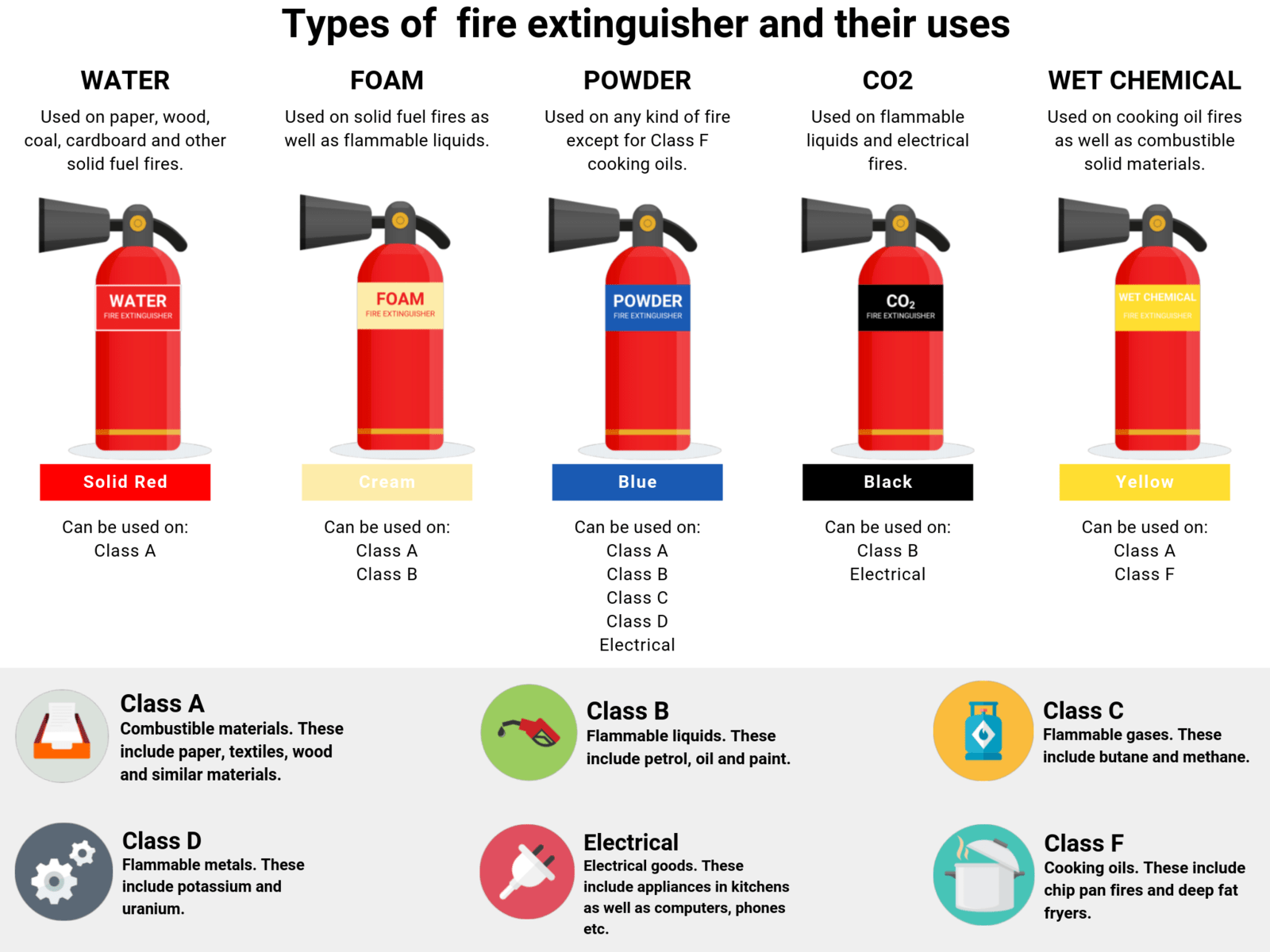
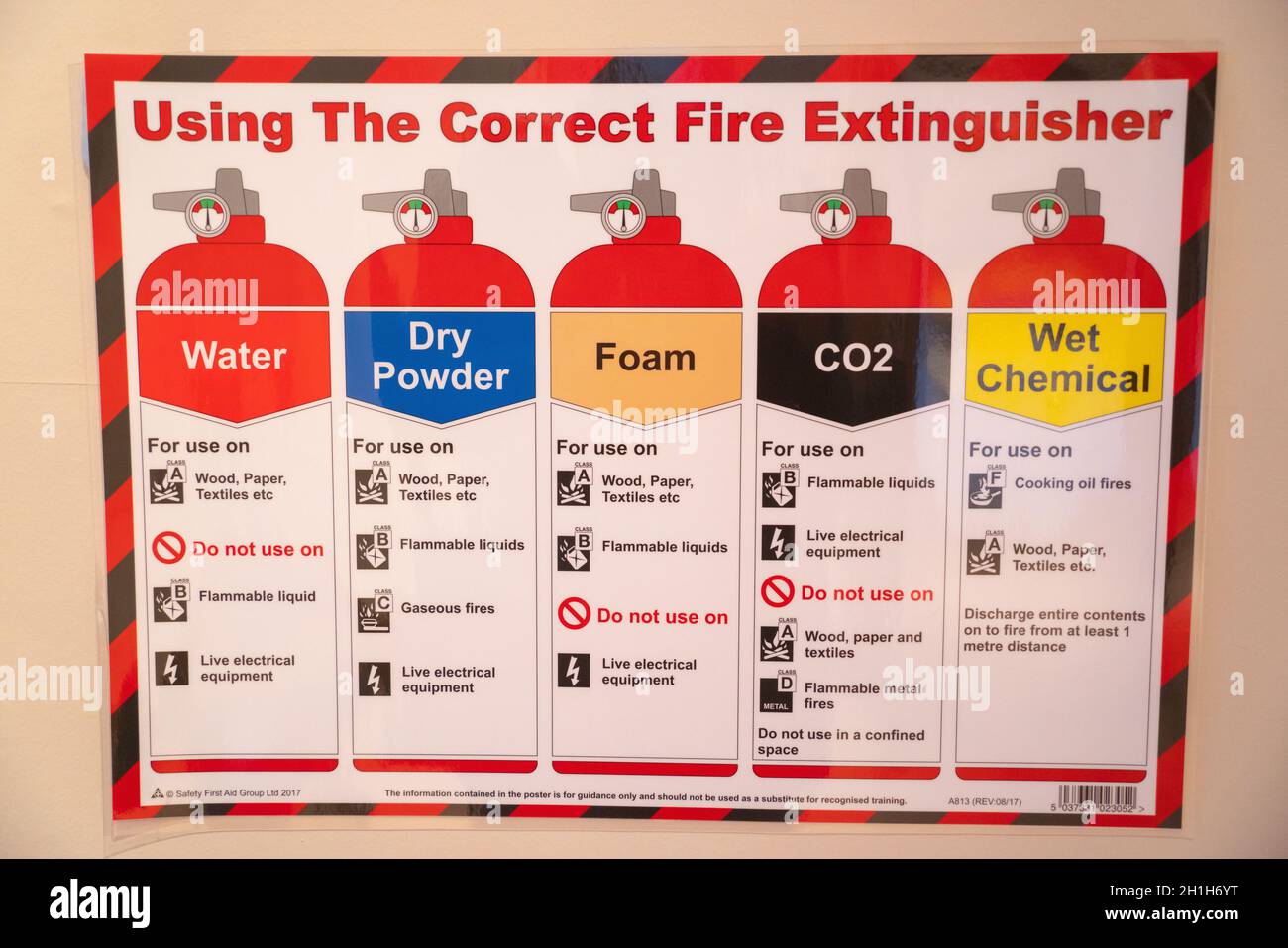
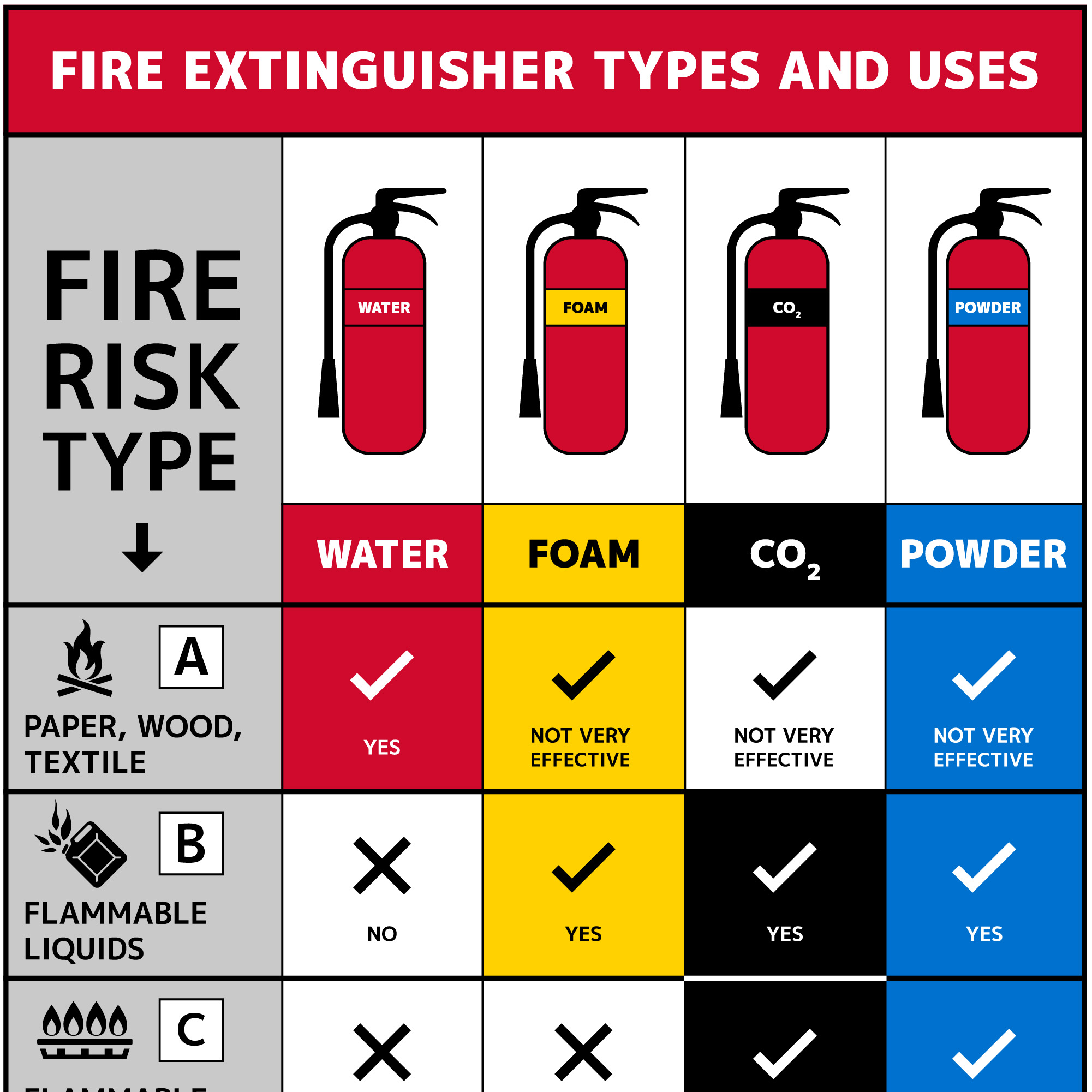
Alright, let's dive into the four main types you’ll commonly encounter, simplifying what might seem like a complex topic. Think of fires as having different "flavors," and each extinguisher is designed for a specific one. First up, we have Water Extinguishers, often labeled with an "A." These are your go-to for fires involving ordinary combustibles like wood, paper, cloth, and plastics – basically anything that leaves an ash. They work by cooling the fire. Next, consider Carbon Dioxide (CO2) Extinguishers, usually marked "B" and "C." These are fantastic for flammable liquids (like oil or gasoline) and electrical fires because they smother the flames without leaving a messy residue, crucial for electronics. Then comes the real workhorse: Dry Chemical Extinguishers, which are often "ABC" rated. These are the most common household extinguishers because they're multi-purpose, tackling ordinary combustibles, flammable liquids, AND electrical fires. They work by interrupting the chemical reaction of the fire. Finally, for those tricky scenarios, we have Wet Chemical or Specialized Extinguishers (often "K" rated for kitchen fires, or "D" for metals). The "K" types are specially formulated for cooking oils and fats – perfect for busy home kitchens or restaurants, creating a foam layer to cool and prevent re-ignition. Class D extinguishers are for combustible metals and are highly specialized, less common in homes.
Must Read
Getting started with this newfound knowledge is surprisingly simple! First, check the labels on any extinguishers you own or are thinking of buying – look for the A, B, C, or K symbols that tell you what they're good for. A general "ABC" rated dry chemical extinguisher is a fantastic starting point for any home. Second, think about placement. Keep one in the kitchen (especially a K-type if you cook a lot!), one in the garage, and perhaps one near your electrical panel. Third, remember the simple P.A.S.S. method for using an extinguisher: Pull the pin, Aim at the base of the fire, Squeeze the handle, and Sweep side to side. And a crucial tip: if a fire is growing quickly, blocking your exit, or you're ever in doubt, don't be a hero – evacuate immediately and call 911. Your safety is paramount.
So, there you have it! A little bit of knowledge about fire extinguishers goes a long, long way. It’s not just about having the right tool; it’s about having the confidence to use it, and knowing you’ve taken proactive steps to keep your world a safer place. It’s a small investment of time for a massive return in peace of mind and potential protection. Stay safe, stay smart!