What Are Different Types Of Media

Ever stop to think about how you get your information? From the music you stream to the news you read, it all comes to you through different types of media. Understanding these forms isn't just about being tech-savvy; it's about becoming a more informed and engaged citizen of the world! Think of it as unlocking a secret level in the game of life, where you can better understand the messages around you and even create your own!
So, what exactly is "media"? Simply put, it's the means of communication that reaches or influences people widely. The purpose of media is multifaceted: it can inform, educate, entertain, and even persuade. The benefits of understanding different media types are numerous. You become a more critical consumer of information, less susceptible to manipulation, and better equipped to express your own ideas effectively. Plus, it’s just plain interesting to see how different mediums shape the messages they carry.
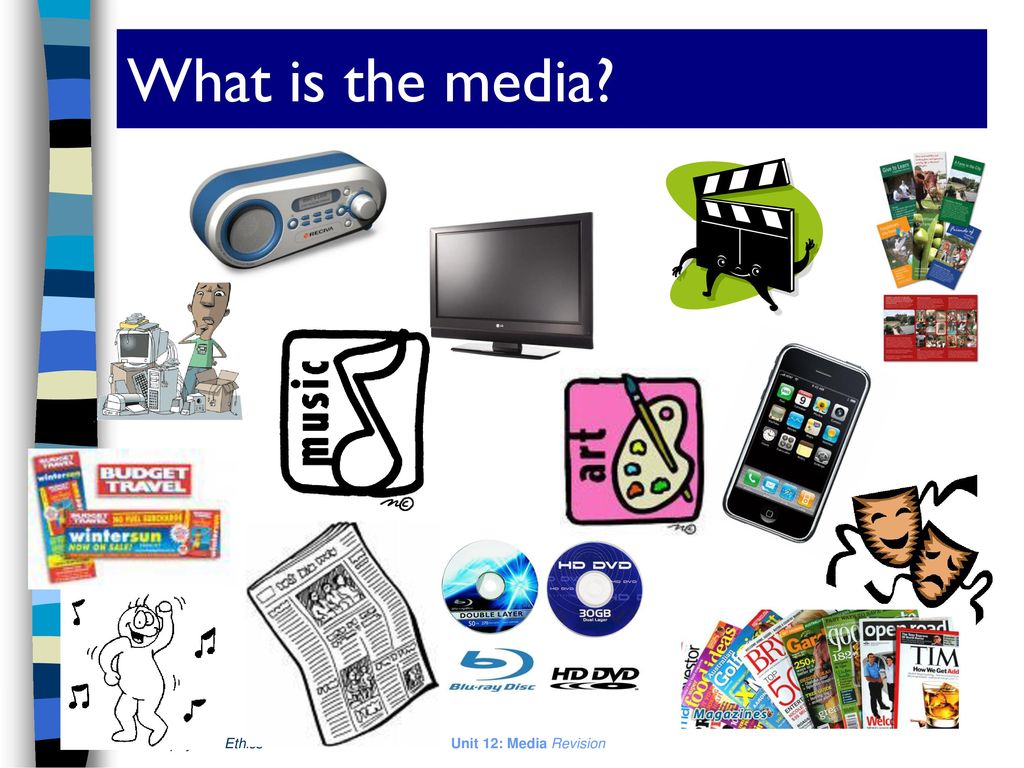
Let's explore some key types of media. First, there's print media, like newspapers, magazines, and books. These have been around for centuries and offer in-depth reporting and storytelling. Think about reading a fascinating biography – that's print media at its finest! Then we have broadcast media, which includes television and radio. These mediums reach a wide audience quickly and are great for real-time news and entertainment. Imagine listening to your favorite music station during your morning commute – that's broadcast media in action.
Must Read
Next up is digital media, the ever-evolving landscape of the internet. This encompasses websites, social media, online videos, podcasts, and so much more. Digital media is incredibly versatile and allows for interactive experiences. Think about taking an online course – that's digital media being used for education. And then there's social media, a subset of digital media focused on connecting people. Sharing photos with friends, joining online communities, and engaging in discussions – all fall under this category. Finally, don't forget about film, which tells stories through moving images and sound. From Hollywood blockbusters to independent documentaries, film is a powerful and engaging form of media.
How is this relevant in education and daily life? In education, students use various media to research, create presentations, and collaborate on projects. Teachers utilize multimedia resources to make lessons more engaging and accessible. In daily life, we rely on media for everything from staying informed about current events to connecting with loved ones across the globe. Understanding media bias is crucial for making informed decisions when voting or purchasing products.
Want to explore different types of media further? Here are a few practical tips. Start by diversifying your news sources – read articles from different publications and watch news from various networks. Try creating your own content – start a blog, record a podcast, or make a short video. Analyze the media you consume – ask yourself who created it, what their message is, and what biases might be present. Pay attention to the way information is presented across different platforms. Is the same story told differently on a news website versus a social media post? Experiment with different platforms and formats. The possibilities are endless, and the journey of media literacy is a rewarding one!