Types Of Fire And Their Extinguisher
There's a curious human fascination with fire, isn't there? From cozy campfires under a starry sky to the comforting glow of a fireplace, it brings warmth, light, and a sense of primal connection. Yet, we all know fire has a powerful, destructive side. While we rarely "enjoy" the thought of an uncontrolled blaze, there's an undeniable peace of mind that comes from being prepared. Think of it as knowing how to fix a flat tire or having a well-stocked first-aid kit; it’s not about wanting to use it, but the quiet satisfaction of knowing you could if needed. Understanding fire types and their matching extinguishers isn't just about safety; it's about empowering yourself with knowledge that protects your home, your loved ones, and those irreplaceable memories.
The practical benefit of this knowledge in everyday life is immense. A small kitchen grease fire, if tackled incorrectly, can escalate from a minor mishap to a catastrophic event in mere moments. Knowing which extinguisher to grab can mean the difference between a quick clean-up and a call to 911. It's about taking control in a chaotic situation and potentially saving everything you hold dear.
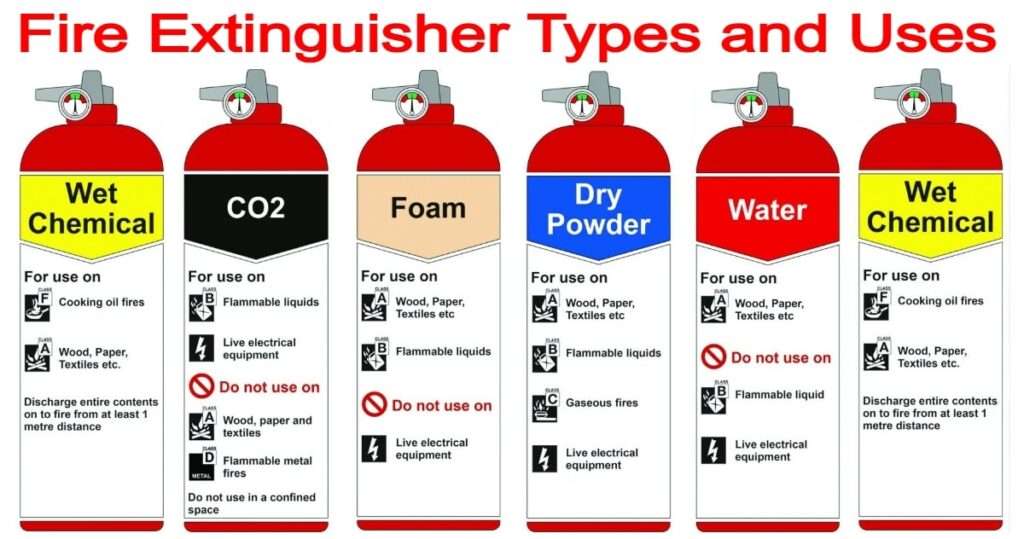
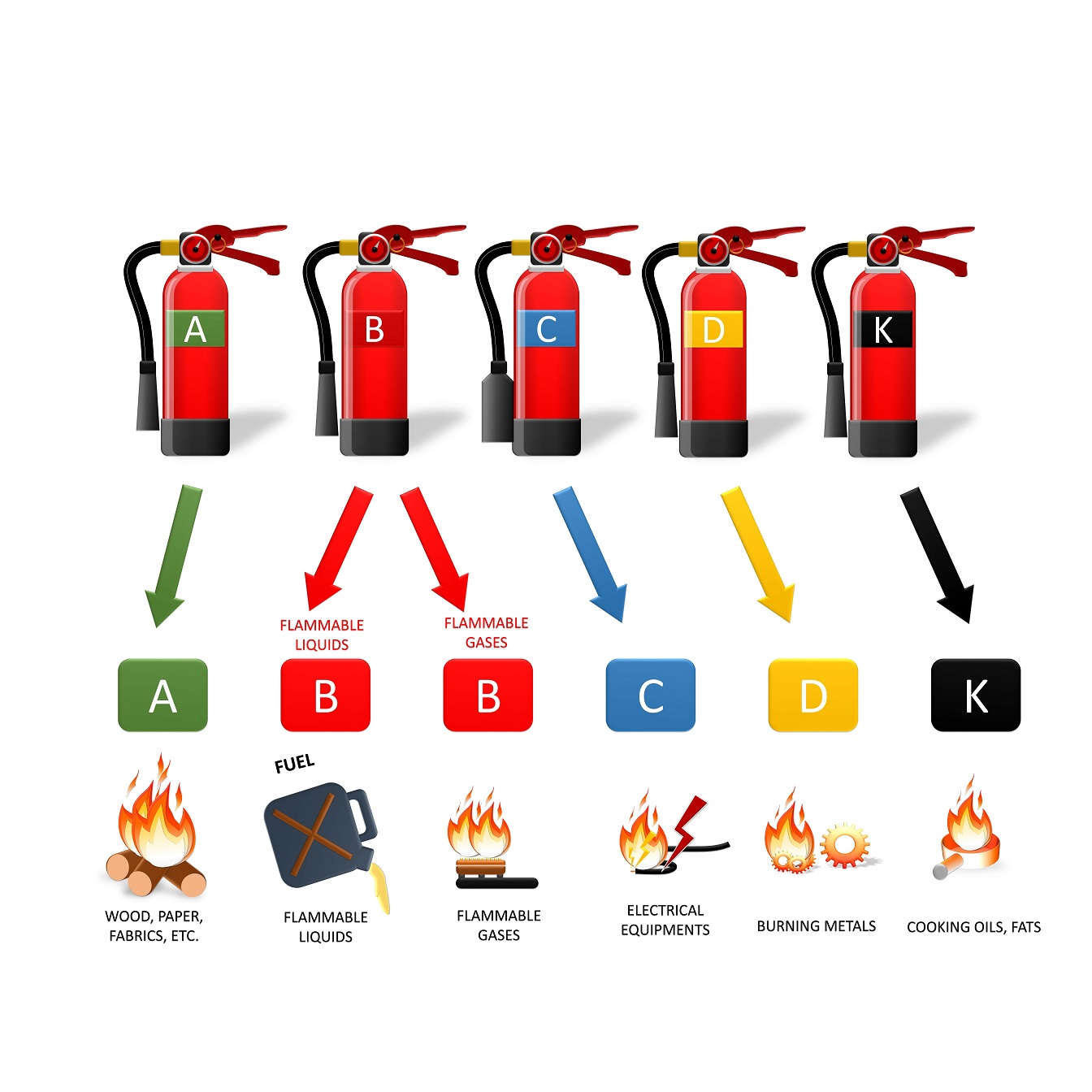
So, let's talk types of fire and their heroic counterparts. Fires aren't all created equal, and neither are extinguishers. Here’s a quick rundown of the common culprits and their specific solutions:
Must Read
- Class A Fires: These are your everyday combustibles – wood, paper, cloth, plastics. Think of a wastebasket fire or burning curtains. Their best friend is often a water extinguisher (though not for electrical!), or an ABC dry chemical extinguisher, which covers multiple bases.
- Class B Fires: These involve flammable liquids and gases like grease, oil, gasoline, paint, or propane. Crucially, never use water on these; it can spread the fire! Instead, reach for a carbon dioxide (CO2), foam, or an ABC dry chemical extinguisher.
- Class C Fires: This class is all about electrical fires – faulty wiring, overloaded outlets, burning appliances. The key here is a non-conductive agent. CO2 and ABC dry chemical extinguishers are your go-to. Remember, water conducts electricity, making it extremely dangerous for Class C fires.
- Class K Fires: These are the dreaded kitchen fires involving cooking oils and fats (think deep fryers). Water will only make these worse, creating dangerous fireballs. A specialized wet chemical extinguisher is designed to cool the oil and create a barrier. Many home kitchen extinguishers are rated for A, B, and C, but for serious cooking risks, a K-rated extinguisher is superior.
To enjoy the ultimate peace of mind and handle any small fire effectively, here are some practical tips:
- Know Your Extinguishers: Identify what type of extinguisher you have and what fire classes it's rated for. The labels are your friend!
- Placement is Key: Keep extinguishers readily accessible, especially in high-risk areas like the kitchen and garage. Ensure they are near an exit path, so you can always fight with your back to an escape route.
- Remember PASS: When using an extinguisher, follow the acronym: Pull the pin, Aim at the base of the fire, Squeeze the handle, and Sweep side-to-side.
- Check Periodically: Ensure your extinguishers are charged (check the gauge) and inspect them for any damage.
- Know When to Go: If the fire is spreading rapidly, larger than a wastebasket, you can't contain it with one extinguisher, or your escape route is compromised, don't be a hero. Evacuate immediately and call emergency services. Your life is more valuable than any possession.
Being prepared isn't about fear; it's about intelligent readiness. Equipping yourself with this knowledge is like having an invisible shield, allowing you to enjoy life's moments with greater confidence, knowing you’re ready for whatever comes your way.