Ever gazed upon a fire extinguisher and thought, "What mysterious power does this shiny cylinder hold?" Well, my friends, prepare to have your mind blown (in the safest, most entertaining way possible, of course!). These aren't just decorative wall ornaments; they're your personal fire-fighting sidekicks, each with a special superpower for tackling different fiery foes. Let's dive into the wonderfully fiery world of extinguishers and make you an instant expert!
Meet the Fire Classes: Not All Flames Are Created Equal!
First off, think of fires like different supervillains. You wouldn't use a water balloon against a giant robot, right? Same principle here! Fires are categorized into classes, and knowing them is half the battle.
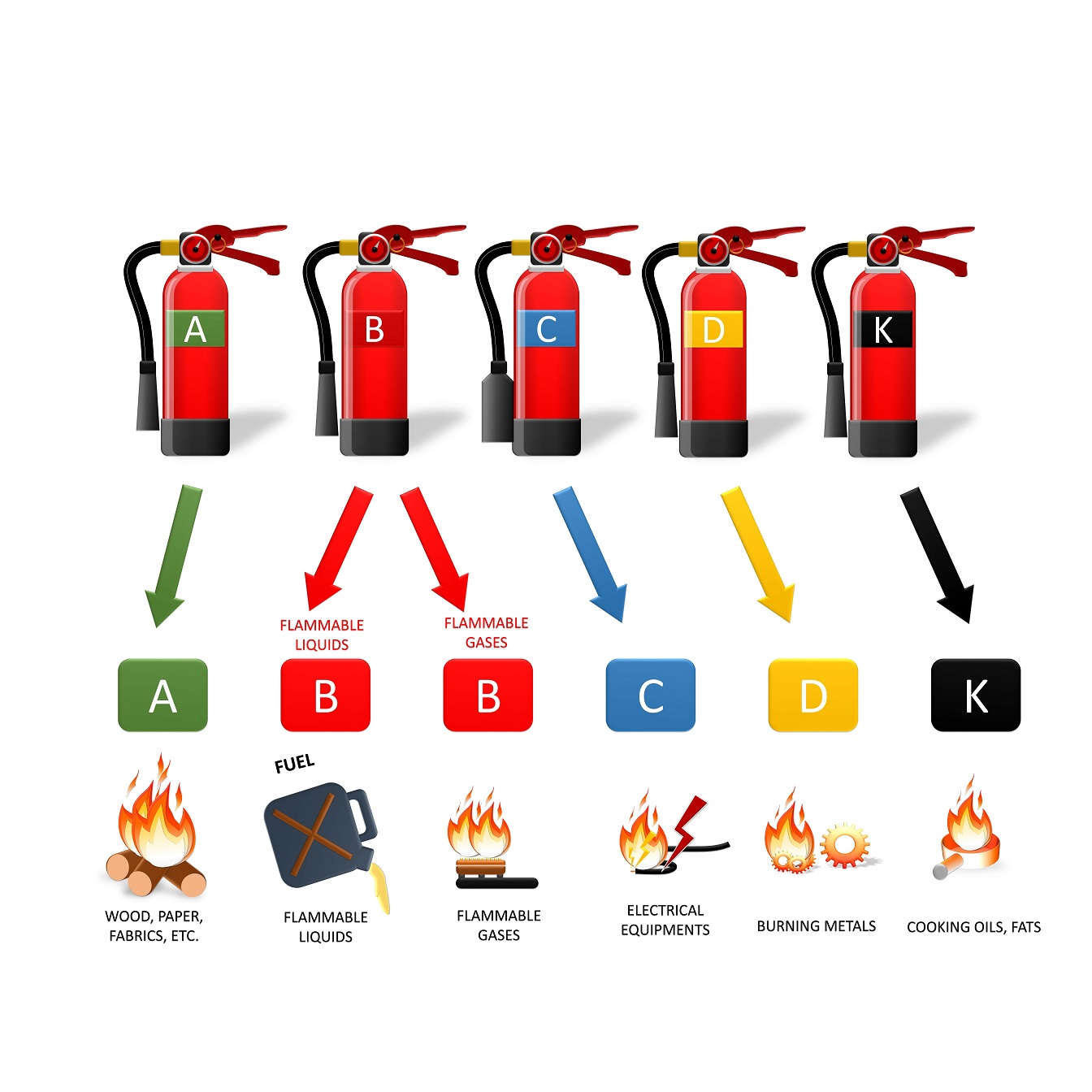
Class A: The "Ordinary Combustibles" Conqueror!
Imagine your cozy living room: paper, wood, cloth, plastic. These are the everyday heroes of Class A fires. If your trusty toaster oven decides to incinerate a napkin (it happens!), or a candle gets a little too enthusiastic with your curtains, that's a Class A situation.
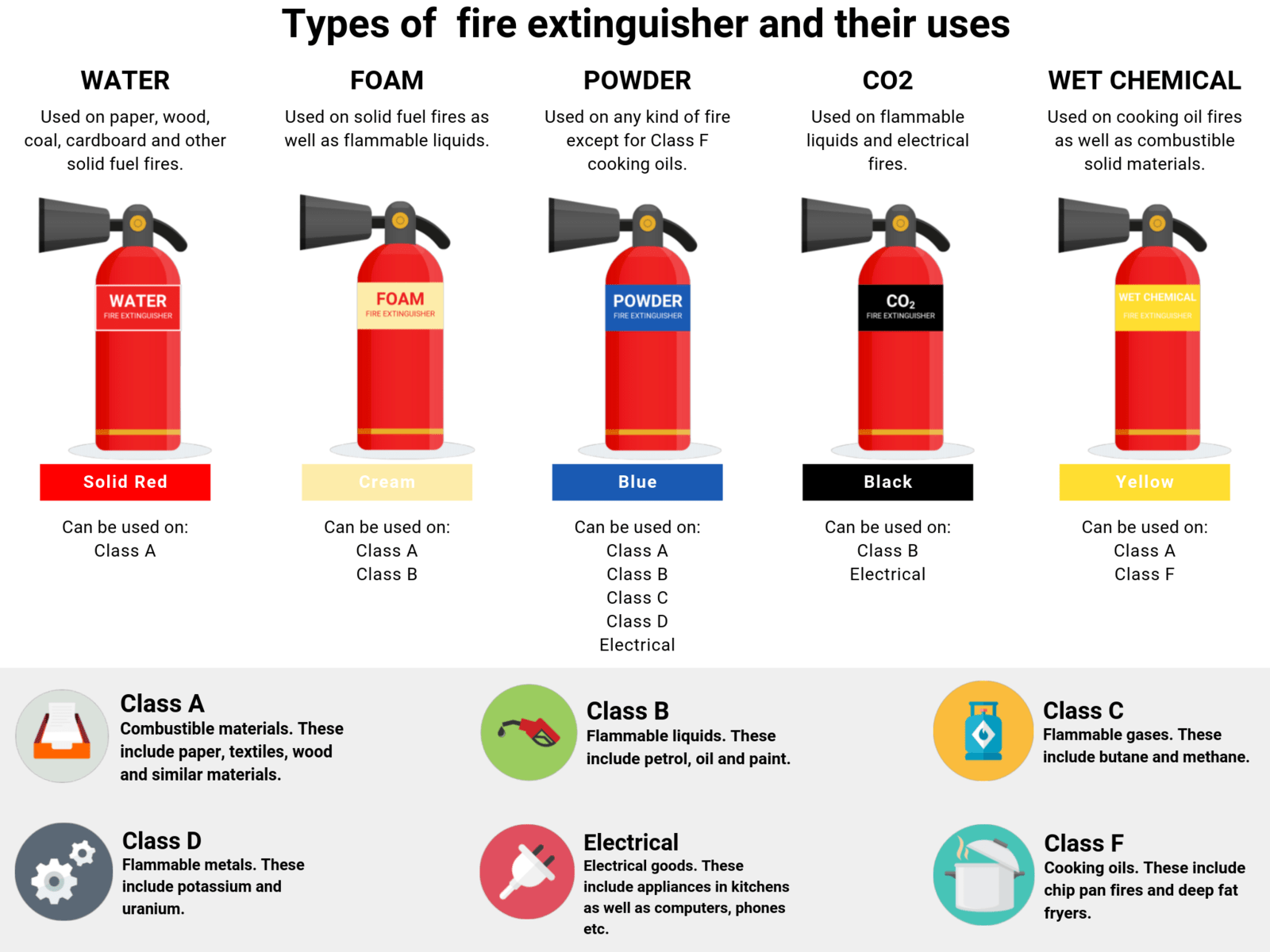
These bad boys basically cool the fire down and douse the flames. Think of them as giving the fire a really big, wet, cold hug until it gives up. Simple, effective, and perfect for those common household flare-ups.
Class B: The Liquid Labyrinth!
Now, things get a little slicker. Class B fires involve flammable liquids like gasoline, oil, grease, paint, or even that fancy cooking oil that splattered a little too much. Trying to douse these with water is like trying to put out a grease fire with a water balloon – you'll just spread the problem and make a spectacular, fiery mess! (Don't try this at home, folks!)
A Guide to Fire Extinguisher Types and Their Uses - IMEC Technologies
Your Liquid-Crushing Companion: Carbon Dioxide (CO2) or Dry Chemical Extinguishers!
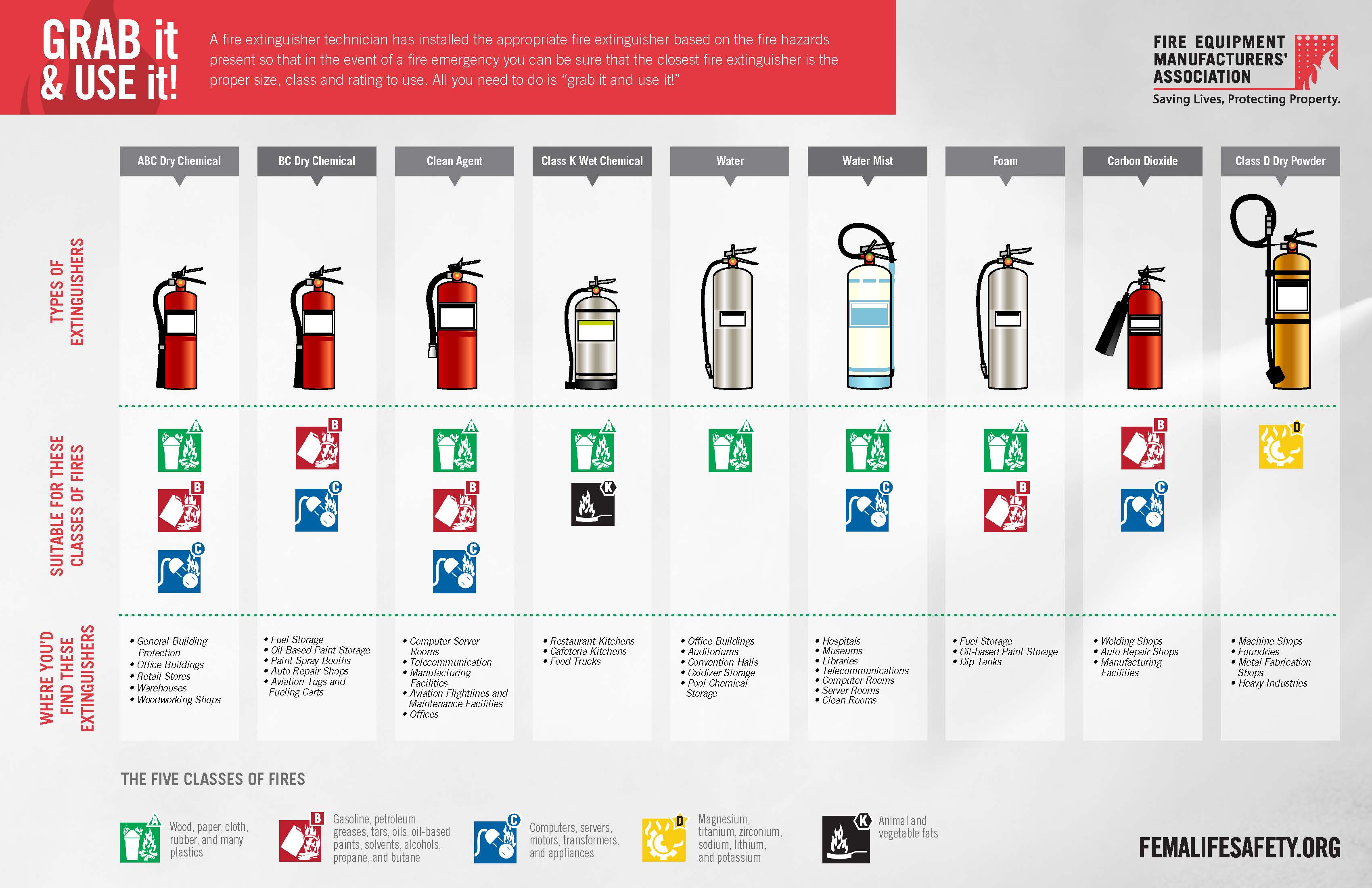
These extinguishers are the ninjas of fire suppression. CO2 starves the fire of oxygen, essentially suffocating it with a blast of super-cold gas. It's clean too, so less mess to clean up! Dry Chemical extinguishers coat the fuel, breaking the chemical reaction of the fire. Both are brilliant for those slippery situations.
Class C: The Electrifying Enemy!
Uh oh, sparks are flying! Class C fires are all about live electrical equipment. Think faulty wiring, an overloaded power strip, or that ancient fan that suddenly decided to put on a light show. Water and electricity are a big, fat NO-NO here; you'll just conduct electricity and become part of the problem!
Your Shocking Solution: Carbon Dioxide (CO2) or Dry Chemical Extinguishers!
What Are The 4 Types Of Fire Extinguishers And Their Uses at Johnny Moe
Good news! The same CO2 and Dry Chemical heroes that tackle Class B fires are also non-conductive, making them perfect for zapping those electrical blazes without zapping you. They cut off the oxygen or interrupt the reaction, stopping the electrifying escapade in its tracks.
Class D: The Metallic Menace (Rare, but Mighty!)
Okay, this one's less common for your average home, but it's super cool! Class D fires involve combustible metals like magnesium, titanium, or potassium. These aren't your typical kitchen conundrum, but if you're ever in a specialized lab or industrial setting, know that these fires need their own super-special dry powder agents. These are the bespoke suits of the extinguisher world!
Your Arcane Ally: Special Dry Powder Extinguishers!
These are unique, highly specialized extinguishers designed to smother and cool these fiery metals without reacting adversely. Definitely not for your backyard BBQ!
The Types Of Fire Extinguishers | Classifications, Water, Foam, CO2
Class K: The Kitchen King!
Calling all chefs and home cooks! Class K fires are the ultimate kitchen nightmare: super-hot cooking oils and fats, often found in deep fryers or large commercial kitchens. These are in a league of their own because the oils burn at such high temperatures.
Your Culinary Champion: Wet Chemical Extinguishers!
Wet Chemical extinguishers create a foamy blanket that not only smothers the fire but also cools the super-hot oil, preventing re-ignition. They're like a superhero force field for your frying pan gone wild!
The All-Star MVP: The ABC Extinguisher!
For most homes and offices, you'll likely spot the mighty ABC extinguisher. This superstar is a jack-of-all-trades, capable of fighting Class A, Class B, and Class C fires. It uses a special dry chemical that's versatile enough to tackle most common household blazes.
Types of Fire Extinguishers & Uses - Complete Guide
It’s like having a universal remote for your fire problems!
While incredibly useful, remember that even an ABC extinguisher has limits. Always prioritize getting to safety if the fire is too big or spreading rapidly!
Your Fire Extinguisher Superpower: Know When to Use It!
So, you're now a fire extinguisher guru! But remember, these powerful tools are for small, contained fires. If the fire is growing, spreading, or blocking your exit, DROP THE EXTINGUISHER AND GET OUT! Your safety is always the number one priority.
So next time you see that trusty cylinder, give it a nod of respect. It’s not just a red can; it's a silent guardian, a watchful protector, ready to spring into action and save the day (and your kitchen)! Stay safe, friends, and keep those flames in check!