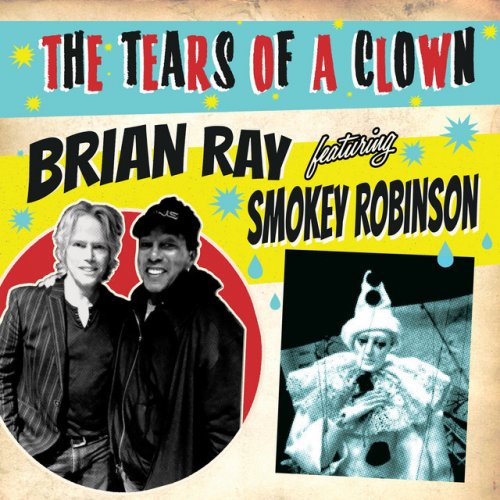
The Tears Of A Clown Lyrics

Ever feel like you're putting on a happy face for the world while secretly battling inner turmoil? You're not alone! Many of us have experienced the bittersweet irony of hiding sadness behind a smile. That's precisely the enduring power and popularity of Smokey Robinson and the Miracles' classic hit, "The Tears Of A Clown." It's not just a catchy tune; it's a raw, relatable exploration of hidden emotions, and dissecting its lyrics can be surprisingly therapeutic (and fun!).
The core purpose of "The Tears Of A Clown" is to expose the duality of human emotion. The song portrays a narrator who, despite being known for his comedic abilities and outwardly cheerful demeanor, is actually deeply unhappy. He's a clown, expected to bring joy, but his heart is breaking. This contrast is what makes the song so compelling. Think about it: we often present a curated version of ourselves to the world, masking our true feelings for various reasons – to avoid burdening others, to maintain a professional image, or simply because we don't want to appear vulnerable. This song gives voice to that internal struggle.
So, what are the benefits of digging into these iconic lyrics? For starters, it offers a powerful validation of your own feelings. Recognizing the disconnect between outward appearances and inner emotions in the song can help you acknowledge and accept those feelings in yourself. It's a reminder that it's okay to not be okay, even when you feel pressured to be cheerful.
Must Read
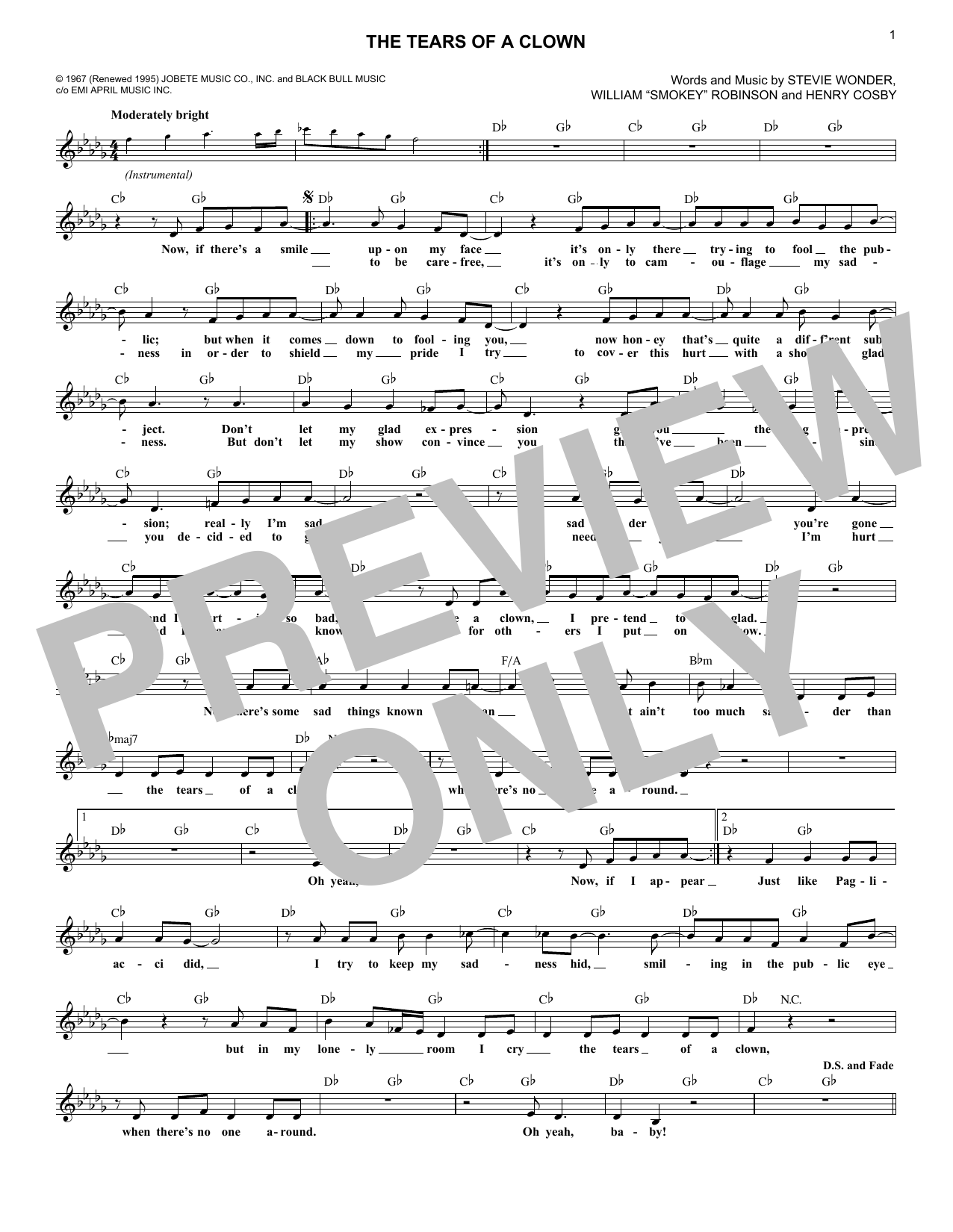
Let's look at some key lines. The opening, "Now if I seem to make you laugh, who would have thought I was so deep," immediately sets the stage. The narrator understands that his comedy is superficial, masking a deeper emotional complexity. The repetition of "But don't let my glad expression give you the wrong impression 'Cause really I'm sad, oh, I'm sad, sad, sad, sad" hammers home the point with heartbreaking clarity. He's literally begging the listener to see beyond the facade. The use of "sad" repeated multiple times amplifies the intensity of his emotions and leaves no room for doubt about his internal state. The repetition here is key to understanding the depth of his sorrow.
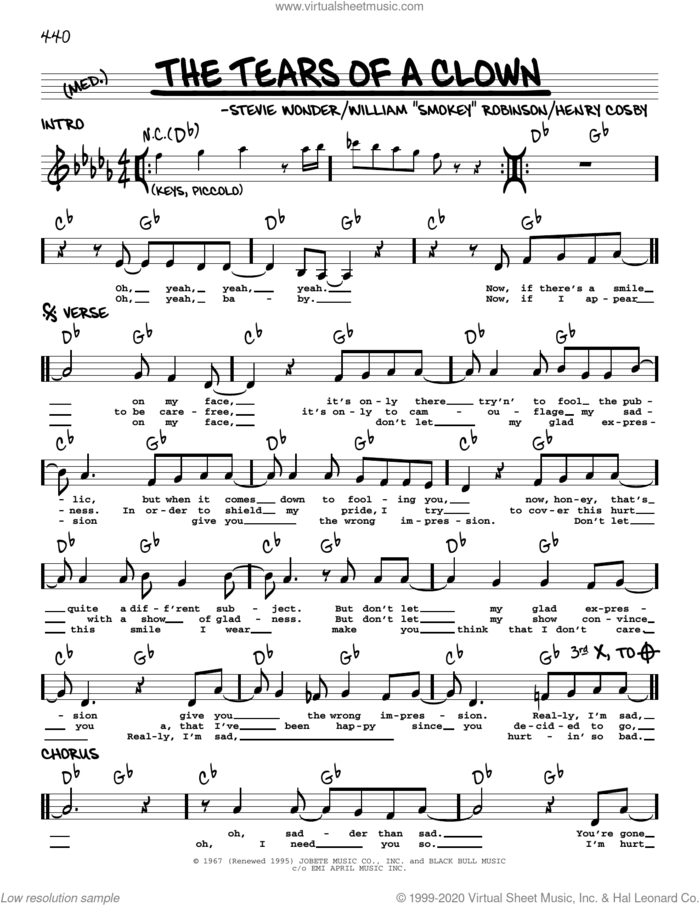
The circus imagery is also significant. The line "Just like Pagliacci did, I try to keep my sadness hid" directly references the famous opera character, a clown who is heartbroken but must perform regardless. This allusion elevates the song beyond a simple expression of sadness; it connects it to a long tradition of artists exploring the hidden pain behind comedic performances. By comparing himself to Pagliacci, the narrator underscores the universality of his experience.
Ultimately, "The Tears Of A Clown" reminds us to be more empathetic and understanding of others. We should be mindful that everyone, regardless of how happy they may seem, could be facing unseen challenges. By paying attention to the lyrics and their underlying meaning, we can develop a greater awareness of our own emotions and those of the people around us. It’s a powerful song about vulnerability and the importance of authentic connection. So, next time you hear that upbeat tune, remember the depth and emotion hidden beneath the surface – the tears of a clown, and perhaps, a little bit of ourselves.
:format(jpeg):mode_rgb():quality(90)/discogs-images/R-2438390-1284058040.jpeg.jpg)