
The Prominent Expanded End Of A Bone

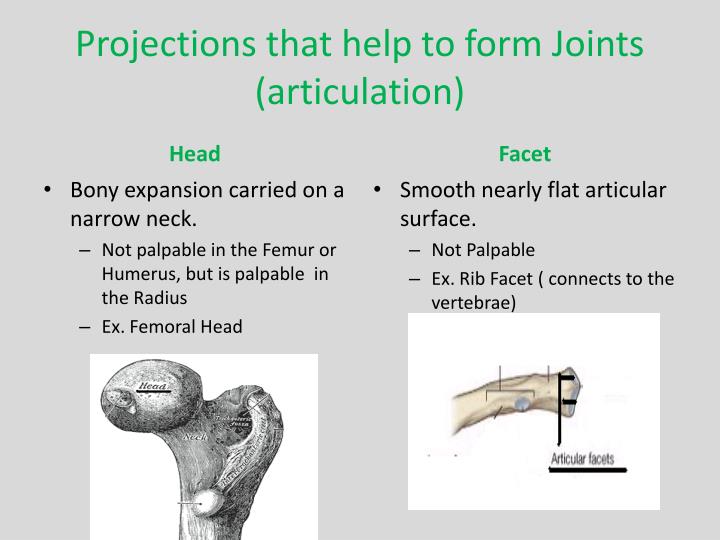
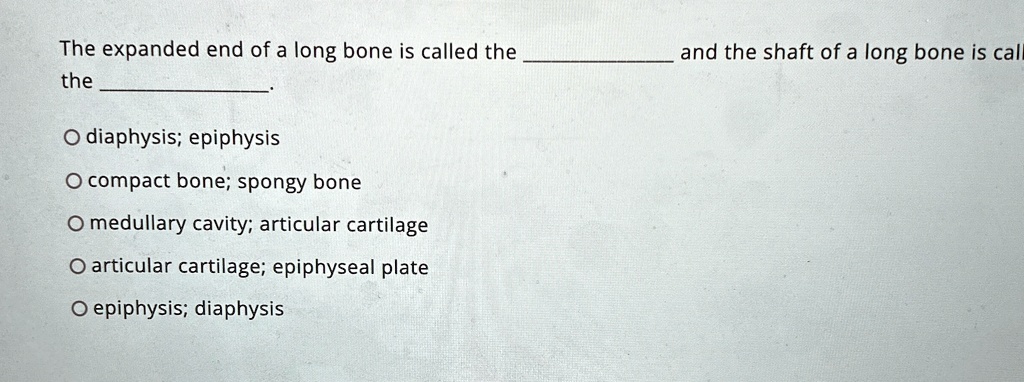
Ever stared at a skeleton and wondered, "What's that big, bulbous part at the end of a bone?" Well, my friends, that's the epiphysis! Sounds fancy, right? But trust me, it's way more exciting than the name suggests.
Think of your bones like building blocks. The epiphysis is like the special, super-powered end of those blocks. It’s not just some random bump; it's a key player in how you move, grow, and even how you bounce back from injuries. Intrigued yet?
The Party at the Joint
The epiphysis is a social butterfly. It loves parties, especially the ones happening at your joints. You know, elbows, knees, shoulders – all those places where bones meet and let you do cool stuff like dance, play sports, or just reach for the remote.
Must Read
The epiphysis is covered in articular cartilage, a smooth, slippery substance that lets bones glide past each other without grinding. Imagine trying to slide across sandpaper – ouch! Articular cartilage is like a super-slick dance floor for your bones. It's what makes movement fluid and easy.
Without the epiphysis and its cartilage, your joints would be a clunky, creaky mess. Picture a rusty robot trying to do ballet. Not pretty! So, thank you, epiphysis, for keeping our joints smooth and happy.

Growth Spurt Central
But wait, there's more! The epiphysis is also the home of the epiphyseal plate, also known as the growth plate. Think of it as a magical growth factory, churning out new bone cells and making you taller. This is why kids and teenagers seem to sprout up overnight.
This plate is made of cartilage. It slowly turns into bone as you grow. This process is called ossification. It's a gradual change from flexible cartilage to strong, solid bone. This transformation is crucial for your bones to reach their adult size and strength.
Once you reach adulthood, the epiphyseal plate closes, meaning it stops producing new bone. That’s why you stop growing taller! The area where the plate used to be is then called the epiphyseal line. This means growth has stopped.
A Bumpy Ride, But Worth It
Now, the epiphysis isn't invincible. Just like any good party animal, it can get into trouble. Fractures, especially in kids, can affect the epiphyseal plate, potentially impacting future growth. That's why it's important to protect your bones and be careful during those wild trampoline sessions. It's all about keeping the growth plate in good condition.
Furthermore, arthritis and other joint conditions can wear down the articular cartilage, leading to pain and stiffness. This is why taking care of your joints is essential throughout your life. Gentle exercise, a healthy diet, and avoiding excessive strain can all help keep your epiphyses happy and healthy.

So, Why is This Interesting?
Okay, let's be honest, bones might not seem like the most thrilling topic at first glance. But the epiphysis shows us how intricate and amazing our bodies really are. It’s a tiny part of our skeleton, but it has a huge job. It’s a key player in movement, growth, and overall well-being.
Next time you're stretching, exercising, or simply walking around, take a moment to appreciate the epiphysis. It's the unsung hero of your skeletal system, working tirelessly behind the scenes to keep you moving and grooving.
And who knows? Maybe this little glimpse into the world of bone anatomy has sparked your curiosity. Perhaps you'll start noticing those bumps at the ends of your bones and wonder about the amazing processes happening within. Maybe you will start to read about anatomy and physiology.
So go ahead, explore the fascinating world inside your body! The epiphysis is just the beginning.