
States Where Direct Deposit Reversals Are Restricted

Hey everyone! Ever get that sinking feeling when you think your direct deposit might've gone to the wrong place? Or even worse, what if someone tries to take it back after it hits your account? Yikes, right?
Well, it turns out, some states are like financial superheroes, putting up safeguards to protect your hard-earned cash. We're talking about states with restrictions on direct deposit reversals. Think of them as the bouncers at the club of your bank account – only letting the good stuff in and keeping the shady stuff out.
What's a Direct Deposit Reversal Anyway?
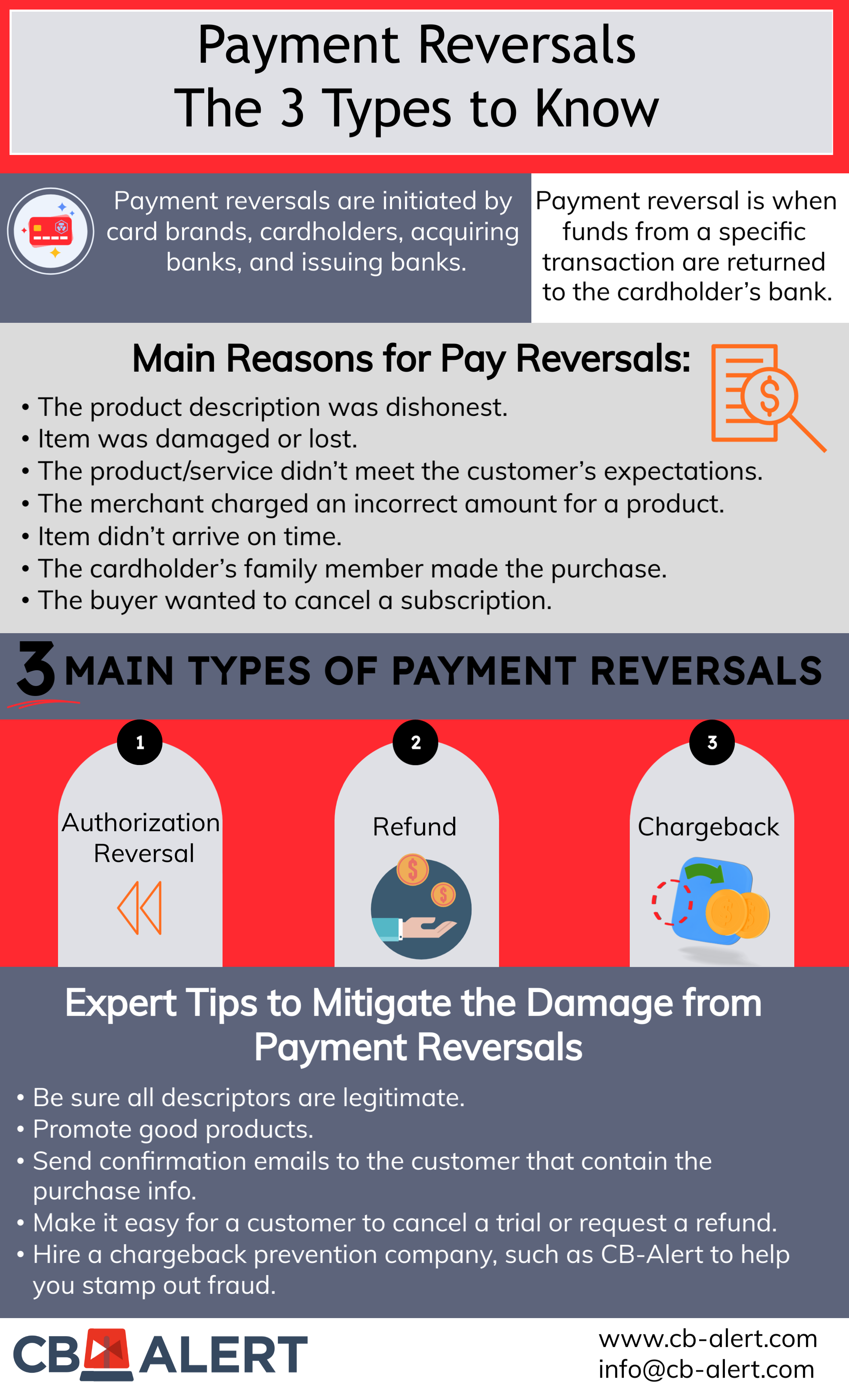
Okay, let's back up. A direct deposit reversal is when someone tries to claw back money that was previously deposited into your account electronically. It can happen for a few reasons, sometimes innocent mistakes (like a typo in the account number), and sometimes… well, not so innocent.
Must Read
Imagine ordering a pizza online, paying with your card, and then the pizza place trying to take more money out a week later. Weird, right? A direct deposit reversal can feel a little like that, especially if you weren't expecting it.
The Wild West of Reversals: Why Restrictions Matter
Without restrictions, the world of direct deposit reversals can feel a little like the Wild West. Banks, payroll companies, or even government agencies could, in theory, reverse a deposit without a whole lot of oversight. That leaves you, the account holder, vulnerable. How would you know what's legit and what's not?
That's where these restricted states come in. They've put rules in place to make sure reversals are only happening when they absolutely should be. Think of it like having a referee in a basketball game – keeping things fair and preventing unnecessary fouls (or in this case, financial headaches).
Which States are Leading the Charge?
Unfortunately, there isn't a single, definitive list of states with super strict direct deposit reversal laws. The specific rules can vary and might be buried within broader banking regulations or employment laws. It often depends on the reason for the reversal. However, some states are generally known for having stronger consumer protection laws, which can translate to more oversight on reversals.

For example, states like California and New York often lead the way in consumer protection. While I can't say definitively they have the strictest direct deposit reversal laws, their commitment to safeguarding consumers suggests they're likely to have more robust regulations than some other states. It's like knowing the Golden State Warriors usually have a strong defense – you'd expect them to be pretty good at blocking shots (or, in this case, preventing bogus reversals).
The best way to know for sure? Check your state's banking regulations and employment laws, or consult with a legal professional familiar with consumer finance.
Why is this Cool and Interesting?
Okay, maybe "cool" isn't the first word that comes to mind when you think about banking regulations. But consider this: these laws are a sign that lawmakers are paying attention to the potential vulnerabilities in our increasingly digital financial lives.
It's like having seatbelts in a car. You hope you never need them, but you're sure glad they're there! These restrictions offer a layer of security, making sure you don't get unfairly penalized by a mistaken or malicious reversal. It's about fairness and protecting your financial well-being.
Plus, the fact that some states are taking this seriously can hopefully influence other states to follow suit. Imagine a ripple effect of financial protection spreading across the country! Wouldn't that be awesome?

What Can You Do?
Even if you don't live in a state with super-strict reversal laws, you can still take steps to protect yourself. Here are a few tips:
- Monitor your bank accounts regularly. Catching a suspicious transaction early is key.
- Know your rights. Familiarize yourself with your state's banking regulations.
- Keep good records. Save your pay stubs and any documentation related to direct deposits.
- Contact your bank immediately if you suspect a fraudulent reversal.
Ultimately, the more you know about your rights and the financial landscape in your state, the better equipped you'll be to protect your money. So, do a little digging, stay informed, and be your own financial superhero! Knowledge is power, especially when it comes to your money!
And who knows, maybe one day, every state will have ironclad protections against unfair direct deposit reversals. That's a future worth rooting for!