
Smoke Detector Replaced Battery Still Beeping
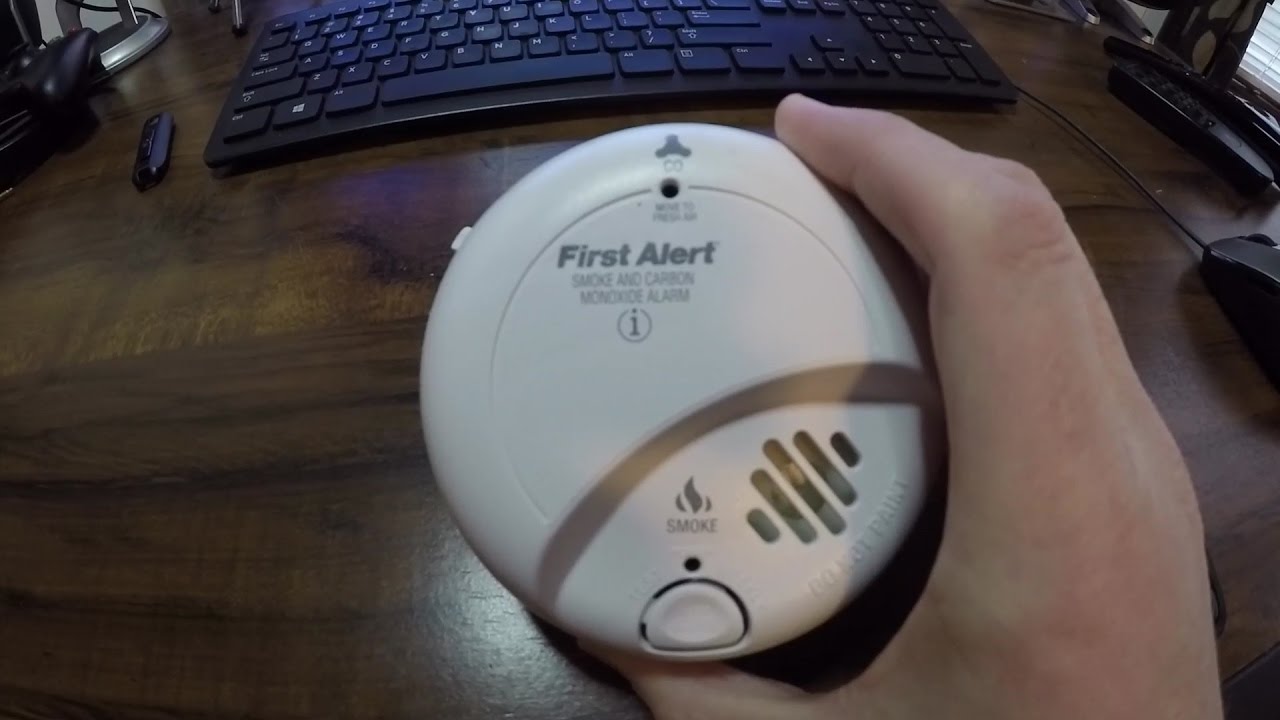
Ah, the humble smoke detector. A silent guardian, a vigilant sentinel, and occasionally, the most infuriating, high-pitched banshee in your home. We all rely on these little discs of plastic to keep us safe, providing that invaluable peace of mind that allows us to sleep soundly, bake experimental casseroles, and occasionally burn toast without consequence. It’s a product we don’t actively "enjoy" in the traditional sense, but the security it offers is a profound form of enjoyment, allowing us to live our lives free from constant worry about one of life's most devastating threats: fire.
The benefits are clear and crucial: smoke detectors are our first line of defense against tragedy. They detect smoke in its earliest stages, giving you and your loved ones precious minutes to escape safely. This isn't just about saving lives; it's about minimizing property damage, protecting beloved pets, and preserving irreplaceable memories. Whether it's the subtle scent of an electrical short or the unmistakable smell of something burning on the stove, these devices are designed to alert us before a minor incident escalates into a catastrophe. They're a mandatory, yet incredibly effective, piece of technology in virtually every home, apartment, and office building around the globe, from simple battery-powered units to interconnected systems that can pinpoint the exact location of danger.
But then comes the great mystery, the domestic head-scratcher that unites us all: the dreaded low-battery chirp. You spring into action, a hero in your own home, armed with a fresh 9-volt. You climb the ladder, wrestle the dusty unit from the ceiling, swap out the battery with a triumphant flourish, and... BEEP! It still beeps. "But I just replaced the battery!" you exclaim to the empty room, feeling utterly betrayed. This isn't just a minor annoyance; it's a profound existential crisis, a challenge to your very understanding of cause and effect.
Must Read
Fear not, fellow homeowner, for you are not alone in this perplexing plight. Here are some practical tips to reclaim your sanity and silence that persistent chirp, allowing you to "enjoy" the peace of a truly silent guardian once more:

- Give it a proper reset: After changing the battery, most smoke detectors need a full reset. Press and hold the test/reset button for 10-20 seconds. This often clears residual charge and silences the false alarm. Don't just tap it; hold it down like you're trying to win a video game.
- Check the battery seating: Sometimes, the battery just isn't quite snug. Remove it, give the terminals a quick wipe (just in case), and reseat it firmly. Make sure it's the correct type of battery too – a 9V often looks similar to other sizes but won't fit or function correctly if mismatched.
- Dust bunnies are the enemy: Over time, dust and cobwebs can accumulate inside the sensing chamber, tricking the detector into thinking there's smoke. A quick blast of compressed air or a gentle vacuuming around the vents can work wonders. Think of it as a spa day for your smoke detector.
- The "End-of-Life" beep: This is often the real culprit when all else fails. Smoke detectors have a lifespan, typically 7-10 years. After this time, their sensors degrade, and they emit a specific "end-of-life" chirp, even with a new battery. It’s their polite (or not-so-polite) way of saying, "My time is up, replace me!" Check the manufacture date on the back of the unit. If it's nearing or past the 10-year mark, it’s time for a new detector, not just a new battery.
- Check interconnected units: If you have multiple smoke detectors wired together, one unit detecting a problem (even a low battery) can cause others to chirp. Sometimes the real culprit is in another room entirely.
So, the next time your smoke detector engages in its post-battery-change symphony of beeps, remember these tips. You're not battling a ghost; you're simply decoding its subtle (or not-so-subtle) messages. Silence it, test it monthly, change batteries with Daylight Saving Time, and replace units every decade. That way, your home’s vigilant protector can truly offer you the silent, invaluable peace of mind it was designed for.


