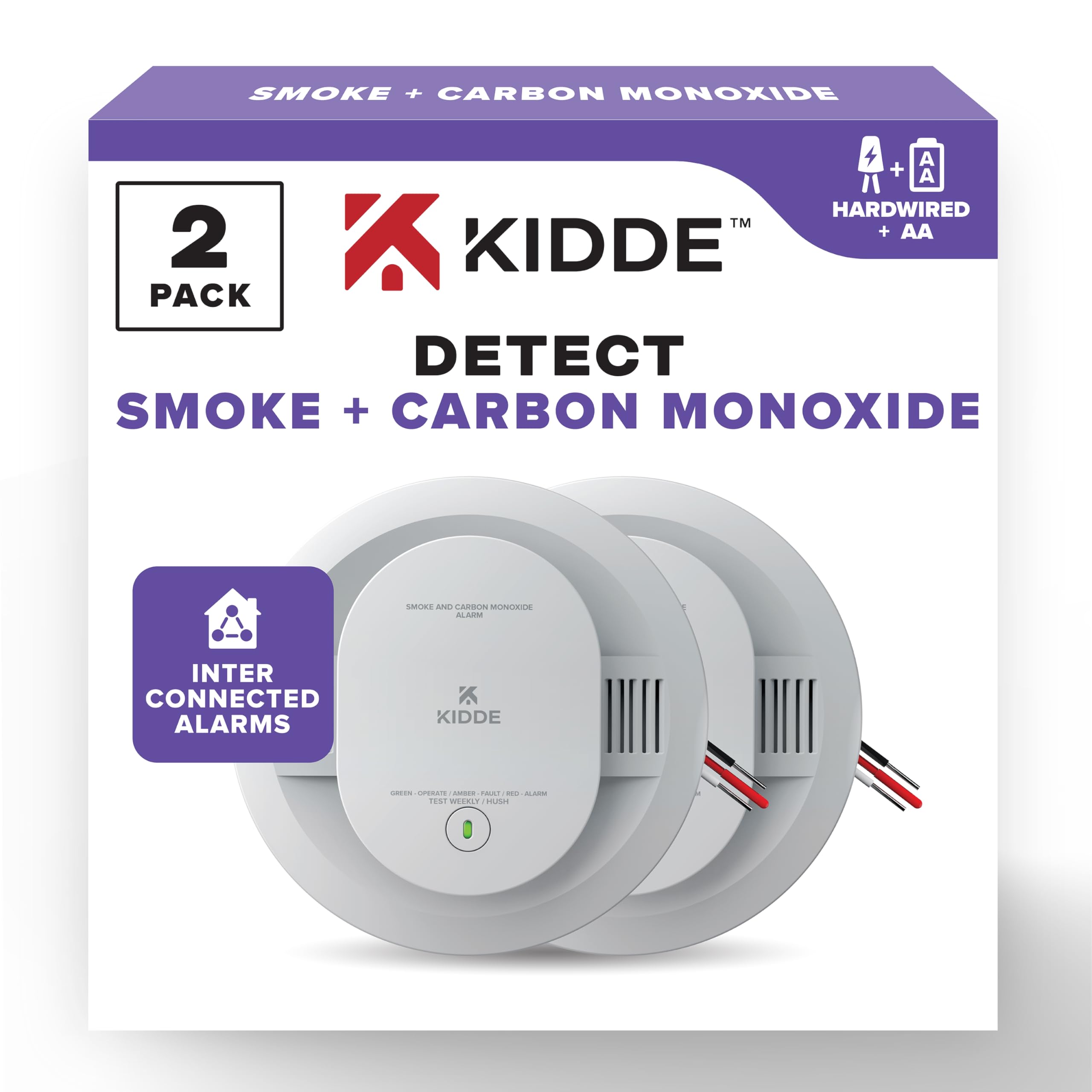
Smoke And Carbon Monoxide Detector Chirping

Alright, let's talk about that little gadget hanging on your ceiling. You know the one. The silent guardian… until it decides to wage a tiny, high-pitched war on your sanity. We're talking about the infamous smoke and carbon monoxide detector chirp!
Oh, that sound! It's the universal signal for "I need attention, preferably at 3 AM." It's less a friendly reminder and more a tiny, insistent ghost haunting your quietest moments. But before you grab a broom and declare war, let’s dive into why these little noisemakers are actually pretty cool, despite their dramatic flair.
The Midnight Serenade: Why the Chirp?
Most of the time, that annoying little beep is just your detector’s way of saying, "Hey! My battery is on its last legs!" Think of it as a tiny, persistent whimper from a dying power cell. It’s not being rude, it’s just communicating.
Must Read
And why always in the middle of the night? That’s the million-dollar question, isn't it? Well, there's a quirky theory! Batteries often deliver less power when it's colder. So, when your house cools down overnight, that already weak battery might just dip below the minimum threshold, triggering the chirp. It’s like a dramatic last gasp for power!
Smoke vs. CO: The Dynamic Duo (of Chirps)
First, a quick refresher. You probably have two types of these heroes. Smoke detectors sniff out fire. They're looking for those tiny particles that mean trouble. Carbon Monoxide (CO) detectors, on the other hand, are the silent assassins' nemesis. CO is an invisible, odorless gas – a truly sneaky killer. So, these little guys are super important.

And yes, both can chirp. Usually, it's the same low-battery cry. But sometimes, they have different patterns to tell you what's really going on. It’s like a secret Morse code, if you bother to read the manual (who does?).
The Great Battery Mystery: More Than Just Low Power?
While a dying battery is the superstar reason for the chirp, it's not the only reason. Prepare for a mind-blowing fact: Your detectors have an expiration date! Yep, these little guardians of your home don't last forever. Most recommend replacing them every 7-10 years. If your detector is older than your eldest child (or even your car!), that chirp might be its way of saying, "My watch is ended!" It's giving up the ghost, literally.

This is called an end-of-life chirp. It's often a different pattern than the low-battery beep. So, if you've changed the battery and it's still chirping, check the date on the back! It's usually a small sticker or molded into the plastic. Go on, I dare you to check!
Other Quirky Reasons for a Racket:
- Dust bunnies attack! Sometimes, a build-up of dust, cobwebs, or even tiny insects can interfere with the sensor. It might think there's smoke when it's just a particularly fluffy dust monster. A quick clean with a vacuum attachment might silence the beast.
- Malfunction Mayhem: Occasionally, these gadgets just go a bit wonky. It's rare, but electronics can fail. If it’s chirping mysteriously after a fresh battery and a good clean, and it’s not expired, it might just be time for a new one.
- False Alarms: Not quite a chirp, but worth mentioning! That shrieking full alarm after you burn toast or take a really steamy shower? Yeah, that's just your detector doing its job, albeit dramatically. It’s like an overly enthusiastic referee.
How to Silence the Siren (Without Resorting to Violence):
Okay, so how do you stop the tiny tormentor?

- Change the battery. Immediately. This is your first port of call. Most use 9-volt, AA, or AAA batteries. Keep spares!
- Press the "Hush" or "Test" button. The hush button might silence it temporarily. The test button, well, tests it – and it will be loud! But sometimes, pressing it and then releasing can 'reset' a persistent chirp.
- The Secret Reset: After changing the battery, some detectors need a full reset. Take out the battery, then press and hold the test button for 15-20 seconds. This drains any residual power. Then, put the new battery back in. It’s like giving it a little electronic brain scrub!
- Clean it up! As mentioned, a quick vacuum around the vents can do wonders.
- Replace it! If it’s old, it’s time. Simple as that. Don't cheap out on safety!
Why This Is Actually… Fun?
Seriously, think about it! These little plastic disks are constantly monitoring the air around you. They have tiny brains, sensitive noses (or optical sensors, or radioactive isotopes – depending on the type!), and a dramatic flair for communication. They stand guard, patiently waiting, knowing that their shrill cry could one day save your life.
So next time your detector decides to give you a private concert at 3 AM, don't just groan. Appreciate its dedication! It’s an unsung hero, demanding a battery change with the intensity of a rock star performing their encore. And knowing why it chirps, and how to quiet it, makes you the ultimate household superhero. Go forth and conquer those chirps!