
Smoke Alarm Still Chirping After Battery Change
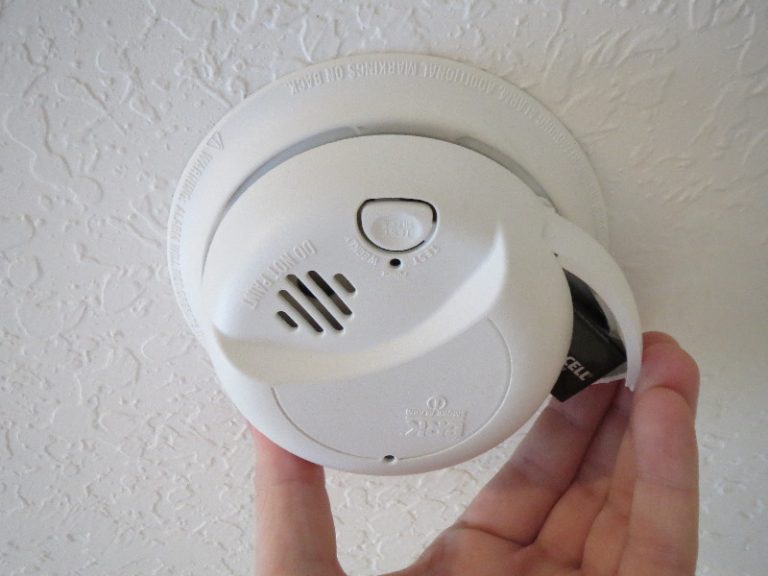
Ah, the infamous chirp. That tiny, insistent peep that cuts through the quiet of your home, usually in the dead of night, or just as you settle in for a peaceful evening. You race to the source, a familiar culprit – the smoke alarm. With a sigh of relief (and a hint of annoyance), you pop in a fresh battery, confident in your problem-solving prowess. But then… the chirp returns. Again. What gives?
You’re not alone in this perplexing modern-day saga. It's a tale as old as, well, smoke alarms themselves. That little sentinel of safety, designed to protect us, can sometimes feel like it's actively trying to test our sanity. But fear not, fellow homeowner! We’re here to unravel the mystery and get your peaceful home back on track.
The Post-Battery Chirp: What’s Going On?
You’ve done the sensible thing: changed the battery. Yet, the high-pitched serenade persists. This isn't just your smoke alarm being dramatic; there are usually a few perfectly logical reasons behind its stubborn refusal to silence.
Must Read
First things first: The Reset Button. Many people change the battery and assume that's it. However, most smoke detectors, especially the newer ones, need a little nudge to realize they’ve been rejuvenated. After changing the battery, press and hold the test/reset button for about 15-20 seconds. You might hear a loud alarm during this time – that’s normal – then release. This clears any lingering low-battery alerts in its memory circuit.
Fun Fact: Did you know smoke alarms often chirp more frequently at night because of temperature drops? Colder air can slightly reduce battery voltage, triggering that "low battery" warning even if the battery isn't completely dead. Clever, but still annoying!

Beyond the Battery Swap: Other Culprits
If the reset didn't do the trick, it’s time to dig a little deeper. The world of chirping smoke alarms is more complex than a simple dead battery.
Residual Charge (for AC-powered units): If your smoke alarm is hardwired into your home’s electrical system (meaning it has a backup battery), simply changing the battery isn’t always enough. You might need to cut the power to that circuit at your breaker box for a minute or two, then restore it. This fully resets the unit, clearing any residual charge that might be holding onto that persistent chirp. Remember to be safe when dealing with electricity!
Dust Bunnies and Cobwebs: Yes, even your smoke alarm can get dusty! Accumulated dust, especially inside the sensing chamber, can interfere with its ability to "see" smoke, causing it to incorrectly trigger or chirp. A quick clean with a vacuum hose or a can of compressed air can sometimes work wonders. Think of it as a little spa day for your safety device.

The Uncomfortable Truth: Expiration Dates
This might be the hard truth you didn't want to hear, but smoke alarms don't last forever. Like that carton of milk in the back of your fridge, they have an expiration date.
Most manufacturers recommend replacing smoke alarms every 7-10 years. After this time, the sensors inside can become less effective, making the unit unreliable. An old, malfunctioning unit might chirp erratically even with a fresh battery as a sign of its impending retirement.

Pro Tip: Look on the back or side of your smoke alarm for a manufacturing date. If it’s past its prime, it’s time to invest in a new one. It's a small price to pay for peace of mind and, more importantly, safety.
Location, Location, Location!
Believe it or not, where your smoke alarm is installed can also contribute to its chirping woes. Placing them too close to kitchens, bathrooms, or even laundry rooms can expose them to steam, humidity, or cooking fumes, which can trigger false alarms or cause erratic behavior.
Similarly, extreme temperatures or drafts from windows and vents can also mess with their delicate sensors. Sometimes, simply relocating a problematic unit to a more stable environment can solve the mystery chirp.

When to Call It Quits (and Replace)
If you've changed the battery, reset the unit, cleaned it, checked for power issues, and it’s still chirping (or if it's nearing or past its expiration date), it’s probably time for a replacement. Modern smoke alarms are increasingly sophisticated, with options like photoelectric sensors (better for smoldering fires), ionization sensors (better for flaming fires), and even smart alarms that connect to your phone.
Don't just silence it by removing the battery permanently! That defeats the entire purpose of having one. Your home and loved ones deserve proper protection.
Ultimately, that incessant chirp, while annoying, is a sign – a signal that something needs attention. Whether it’s a simple battery change, a quick reset, or the inevitable replacement of an aging unit, taking the time to understand and address the issue is crucial. It’s a gentle reminder that even the smallest, most taken-for-granted devices in our lives play an important role, and a little proactive care goes a long way in ensuring our safety and serenity.