
Single Station Carbon Monoxide Alarm
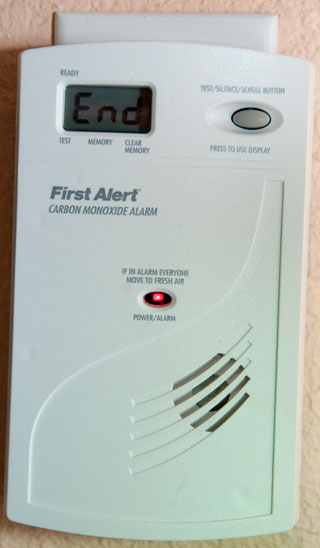
You know that feeling when you lock your front door at night? Or when you double-check that the stove is off? It’s the sweet satisfaction of knowing you’ve taken care of things, a little whisper of 'all clear' for your peace of mind. Well, imagine a silent guardian working tirelessly in the background, a tiny sentinel constantly sniffing the air, ready to shout an urgent warning if danger, unseen and unheard, dares to creep in. That, my friends, is the humble but mighty Single Station Carbon Monoxide Alarm.
While you might not "enjoy" a CO alarm in the same way you enjoy a warm cup of coffee, what you absolutely do enjoy is the profound sense of security and safety it brings to your home. It’s the unsung hero of household appliances, providing an invisible shield that allows you to sleep soundly, knowing your loved ones are protected from a truly insidious threat. Think of it as your home’s personal bodyguard, always on alert so you don't have to be.
So, what exactly is this silent menace, and why is this little gadget so crucial? Carbon monoxide (CO) is often called the "silent killer" for a terrifying reason: it’s an invisible, odorless, tasteless, and non-irritating gas. You can’t see it, smell it, or feel it, yet it’s highly toxic and can quickly incapacitate and even kill. CO is produced whenever fossil fuels are burned incomplete, which means anything from your furnace, gas stove, water heater, fireplace, or even a car running in an attached garage can be a source. This is where the Single Station Carbon Monoxide Alarm steps in, a true life-saver that detects dangerous levels of CO gas in your living space, sounding a loud, unmistakable alert long before you or your family would ever suspect a problem. Its primary purpose? To give you critical time to evacuate and seek fresh air, preventing severe illness, brain damage, or worse.
Must Read
These alarms are incredibly common, and for good reason. You’ll find them in virtually every modern home, apartment, and even RV. They are especially critical in homes with fuel-burning appliances, attached garages, or a fireplace. Landlords often install them in rental properties to ensure tenant safety, and many building codes now mandate their presence. Imagine a power outage leading to someone bringing a generator too close to the house, or a chimney flue becoming blocked, silently filling your living room with deadly gas. The CO alarm is your family's first, and often only, line of defense in such unforeseen scenarios.
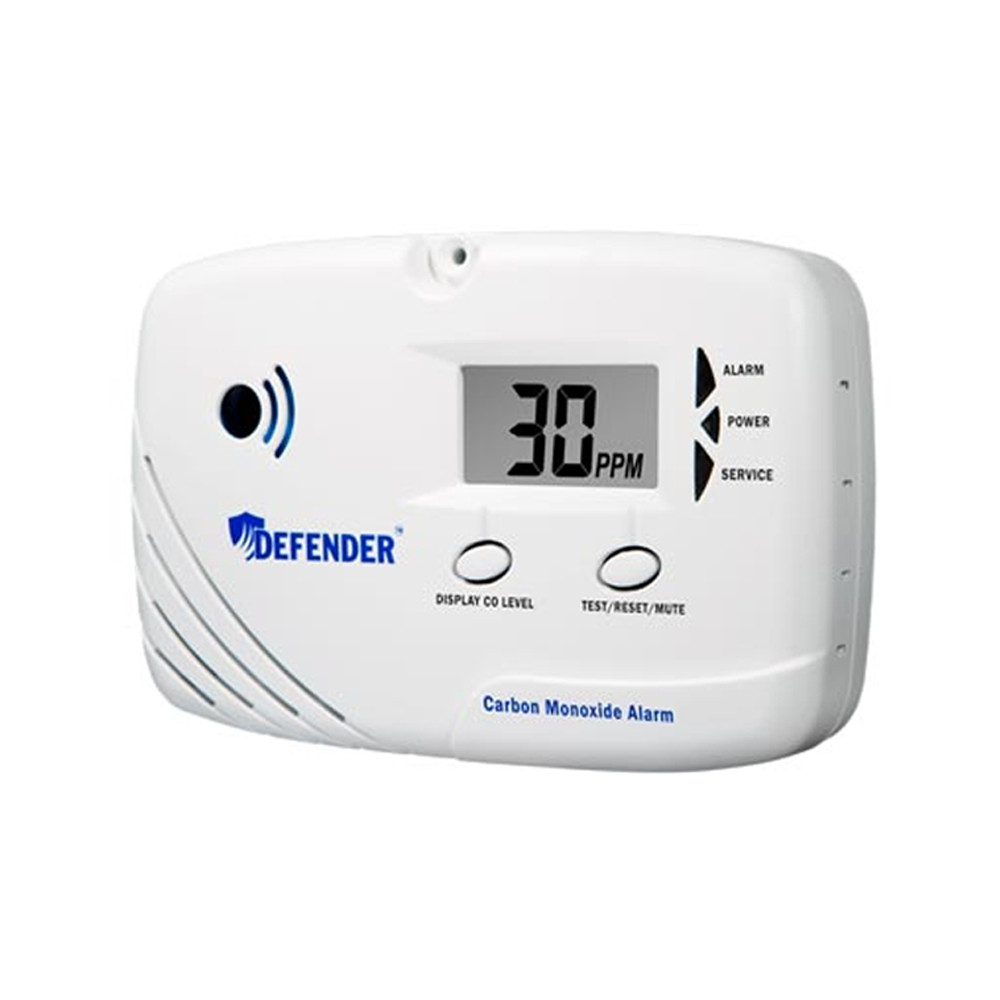
To truly get the most (and most importantly, the safety) out of your CO alarm, a few practical tips go a long way. Firstly, placement matters: install them near sleeping areas and on every level of your home, especially where fuel-burning appliances are located. Avoid placing them directly above or next to fuel-burning appliances or too close to vents and fans, as this can affect their accuracy. Secondly, test them monthly! Most alarms have a 'test' button – a quick press will confirm the battery and alarm are working. Thirdly, change batteries annually, or immediately when the low-battery warning chirps. And here’s a tip many overlook: CO alarms have a shelf life! They typically expire after 5-10 years (check the manufacturer's date on the back), so replace them when they reach their end-of-life, even if they seem to be working. Finally, and perhaps most crucially, never ignore the alarm. If it sounds, treat it as a genuine emergency: get everyone out of the house immediately and call emergency services from a safe location. Don't go back inside until professionals have deemed it safe.
So, next time you spot that unassuming little box on your wall or ceiling, remember it's more than just a piece of plastic. It’s a dedicated sentinel, silently standing guard, giving you the priceless gift of peace of mind and the ultimate protection for your loved ones. It's truly a product that lets you enjoy the comfort of your home, worry-free.


