Signs Of Problems With Septic System
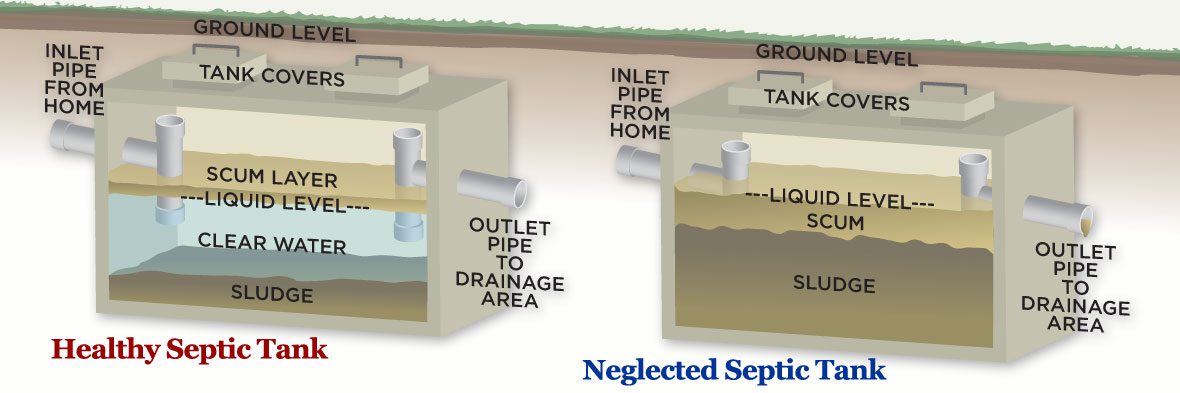
Okay, so, let's chat about something super glamorous today: your septic system! I know, I know, not exactly dinner party conversation, right? But honestly, knowing a little bit about what goes on beneath the surface can save you a huge headache and, let's be real, a lot of cash down the line. Think of it like a little "check engine" light for your house's insides. You wouldn't ignore that in your car, would you?
Most of the time, our septic systems just... do their thing. Silently. Efficiently. And then one day, boom! Something feels a little off. So, grab another sip of coffee, and let's go over some tell-tale signs that your septic system might be waving a little white flag. Trust me, you wanna catch these early!
The Great Odor Mystery
This is probably the most obvious one, isn't it? You walk outside, take a deep breath, and suddenly you're hit with... well, a distinctly unpleasant smell. We're talking about that classic "rotten egg" or just straight-up sewage stench. Yuck! If you're noticing this lingering around your yard, especially near the septic tank itself or the drain field, your system might be screaming for help. Sometimes, these smells can even waft indoors, usually from drains or toilets. If your bathroom suddenly smells less like lavender and more like, ahem, something else, pay attention! That's a pretty strong indicator that things are not flowing as they should be.
Must Read
The Lawn's Little Secret
Ever notice a patch of grass in your yard that's just unnaturally green? Like, suspiciously vibrant and lush, especially when the rest of your lawn is looking a bit dry or normal? This isn't a sign that you're a gardening genius, my friend. It's often a sign that liquid from your septic system is surfacing or not being absorbed properly in the drain field. It's basically fertilizing that one spot a little too well. And speaking of surfacing liquid... if you see actual pooling water in your yard, particularly after a lot of water usage in the house or heavy rain, that's a huge red flag. It means the system is overloaded, or there's a blockage, and the wastewater has nowhere else to go but up! Not exactly an ideal water feature, is it?

Slow, Slower, Slowest Drains
Remember that scene in a horror movie where the bathtub starts filling up with murky water all by itself? Okay, maybe not that dramatic, but slow drains and frequent backups are definitely not fun. If your toilet takes an eternity to flush, or your shower basin fills up while you're still rinsing off, your septic system might be feeling sluggish. This could be due to a clogged pipe, an overflowing tank, or a failing drain field. It's like a traffic jam in your plumbing system. You might ignore one slow drain for a bit, but if it's happening all over the house? Time to make a call!
And then there's the gurgle. That mysterious sound from your pipes or toilets when you flush, run water, or even when you're just sitting there minding your own business. It's like your house is trying to tell you something in its own unique language. That gurgling can mean air is trapped, or water is struggling to move through the system. Pay attention to those little noises!

When Your Well Water Gets Weird
Now, this one is for those of us lucky enough to have a well. If you start noticing a change in the taste or smell of your well water – perhaps it tastes a bit metallic, or worse, has an earthy or sewage-like odor – that's a serious alarm bell. It could mean that wastewater is seeping into your groundwater supply, which is a major health concern. This isn't just a "hmm, that's odd" moment; it's a "drop everything and call a professional RIGHT NOW" moment. Get your water tested immediately, please!
So, What Now?
Look, the main takeaway here is: don't ignore these signs! Your septic system is a critical part of your home's infrastructure. If you notice any of these symptoms, even if they seem minor, it’s always best to get a professional septic technician to take a look. They'll be able to diagnose the problem accurately and recommend the best course of action. A little proactive maintenance or an early fix can save you from a much bigger, smellier, and more expensive disaster down the road. Trust me, your nose (and your wallet) will thank you!