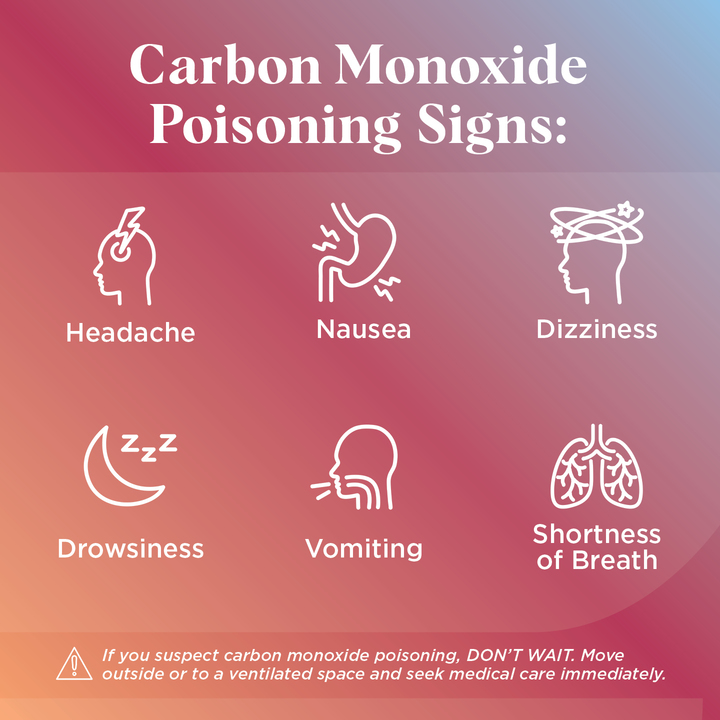
Signs Of Carbon Monoxide In The House

Okay, so picture this: it was a chilly Sunday morning, perfect for a lie-in. I was snuggled up, half-dreaming about winning the lottery (as one does), when a weird kind of headache started to creep in. Not a sharp, "I hit my head" kind of pain, but a dull, persistent throb right behind my eyes. I shook it off, blaming it on my usual weekend coffee habit (or lack thereof, since I hadn't had one yet). Then, my partner groaned from beside me, complaining of a similar headache and feeling a bit queasy. We both mumbled about a "bug" going around, probably that nasty flu everyone was catching. But here’s the kicker: our usually boisterous dog, Buster, was still sound asleep at the foot of the bed, which is highly unusual for him. He’s usually up at the crack of dawn, demanding breakfast and walkies. A little lightbulb, very dim at first, went off. What if it wasn't a bug at all?
That little scare, thankfully, turned out to be nothing serious for us, but it got me thinking. How many times do we brush off these subtle aches and pains, attributing them to everyday things, when they could be something far more sinister? Because, let's be real, the true villain I’m talking about here isn't a flu bug. It's something far more sneaky, far more dangerous: carbon monoxide. Or, as I like to call it, the
The Invisible Intruder: What Even Is CO?
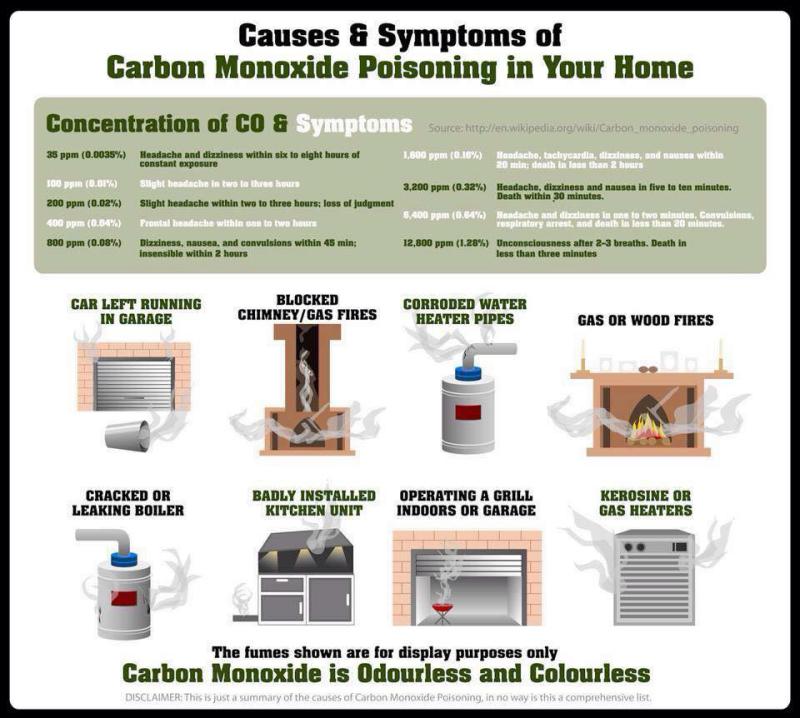
You’ve probably heard of it, but do you really know it? Carbon monoxide (CO) is a gas produced when fuels like gas, oil, coal, and wood don't burn completely. Think about your furnace, your water heater, your gas stove, your car, even your fireplace. If they're not venting properly, they can start spewing this silent killer into your home. And the worst part? It’s odorless, colorless, and tasteless. Yep, you can’t see it, can’t smell it, can’t taste it. Super rude, right?
Must Read
This is precisely why recognizing its signs is so incredibly crucial. It replaces oxygen in your blood, essentially suffocating your cells. Scary stuff, I know, but forewarned is forearmed!
Signs in You and Your Loved Ones
Because you can't see CO, your body often becomes the first (and sometimes only) alarm system. Pay attention, folks! These symptoms often mimic common illnesses, making them easy to dismiss. Don't!
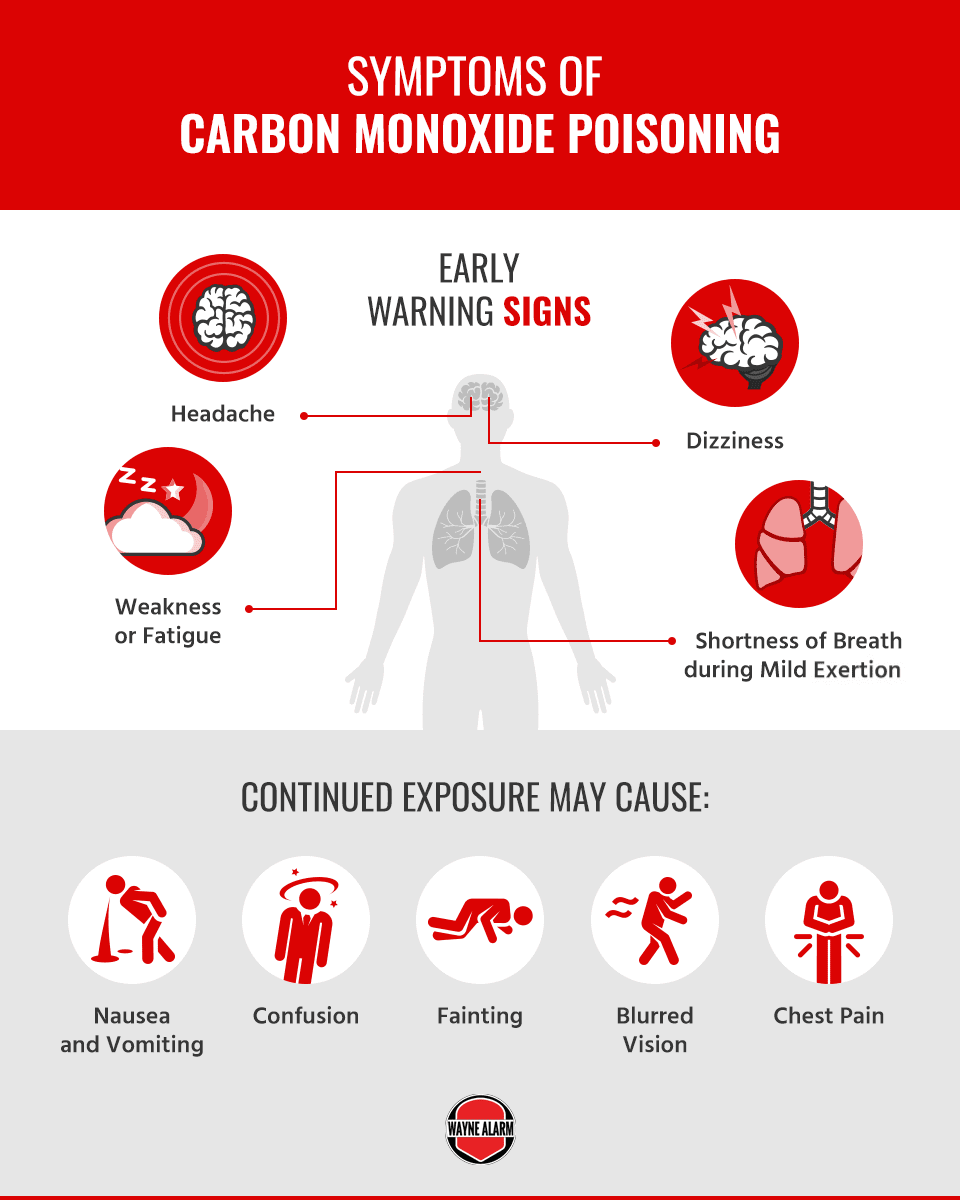
- The Persistent Headache: Like the one I described. It's often dull, throbbing, and just won't quit. It might feel worse when you’re inside and better when you step outside for fresh air. Hmmm, suspicious, right?
- Feeling Dizzy and Lightheaded: Walking into a room and feeling a bit wobbly, or like you might faint. Your coordination might also feel off.
- Nausea and Vomiting: Often mistaken for food poisoning or, you guessed it, the flu. If multiple people in the house are suddenly feeling queasy at the same time, it's a red flag.
- Fatigue and Weakness: Feeling unusually tired, even after a full night's sleep. Like your energy has just been zapped.
- Shortness of Breath: Finding it harder to breathe, especially with mild exertion.
- Confusion and Drowsiness: You might struggle to think clearly, feel disoriented, or just want to sleep all the time. This is particularly dangerous!
- Vision Problems: Blurry vision or difficulty seeing can also be a symptom.
- Chest Pain: In more severe cases, CO poisoning can lead to chest pain.
Here’s a vital tip: if you and other family members (or even roommates!) are all experiencing these flu-like symptoms simultaneously, and they seem to ease up when you leave the house but return when you're back inside, your spidey-sense should be tingling like crazy. This is a critical clue!
Signs from Your House & Appliances
Your home and its trusty appliances can also drop hints, if you know what to look for. Think of them as tiny, subtle smoke signals, without the actual smoke:
:max_bytes(150000):strip_icc()/VWH-JessicaOlah-CommonSymptomsofCarbonMonoxidePoisoning-Standard-460087eaa2ad4058af35e4606caabe07.jpg)
- Sooty Stains or Yellow/Brown Staining: Look around your fuel-burning appliances (boilers, water heaters, fires). Any black or dark stains? That’s unburnt fuel residue, a big NO-NO.
- Yellow or Orange Flames (Instead of Blue): Your gas stove, fireplace, or furnace pilot light should ideally have crisp, blue flames. If they’re lazy, yellow, or orange, it’s a sign of incomplete combustion. Call a professional, stat!
- Pilot Lights Going Out Frequently: If your pilot light keeps flickering out on its own, it could be due to a lack of oxygen in the air, or a fault that's also producing CO.
- Excessive Condensation on Windows: While some condensation is normal, unusually heavy or persistent condensation could be a sign that flue gases aren’t venting properly.
- A Strange Smell (Sometimes!): Though CO is odorless, some people report a faint, almond-like smell, or just a general "stale" or "off" smell that you can’t quite place. Don't rely on this though, as it's rare.
These are the house’s way of saying, "Hey, something’s not right in here!" Listen to your house, people!
Your Furry Friends Might Know First!
Remember my dog, Buster, acting unusually sleepy? Pets often show symptoms of CO poisoning before humans do because they have faster metabolisms. If your cats or dogs are suddenly lethargic, weak, vomiting, or acting generally unwell at the same time as you, especially if they recover quickly when taken outside, do not ignore it! They could be your earliest warning system.
So, What Now? Action Time!
If you suspect carbon monoxide poisoning based on any of these signs, please, please, please don't hesitate!
- Get Everyone Out: Immediately move yourself, your family, and your pets to fresh air. Open windows and doors on your way out if it's safe to do so.
- Call for Help: Once outside, call your emergency services (like 911 or your local equivalent) or your gas company.
- Seek Medical Attention: Even if you feel better after fresh air, it's wise to get checked out by a doctor.
- Invest in a CO Detector: Honestly, this should be step zero. They are affordable, readily available, and could literally save your life. Install them near sleeping areas and on every level of your home. It's like a superhero for your lungs!
Seriously, folks, don't let the invisible intruder win. Be aware, be vigilant, and protect yourself and your loved ones. Stay safe out there!