
Signaling Listed Carbon Monoxide Detector

Hey there, friend! Let's chat about something super important but often a bit… well, boring sounding. I promise to make it fun, or at least less snooze-inducing than a tax form. We're diving into the world of the Signaling Listed Carbon Monoxide Detector. Yeah, it sounds like something a robot would order, but it’s actually your home’s unsung hero!
Think of it this way: you lock your doors, right? You probably have smoke detectors. But what about the sneaky, silent villain that loves to crash your party uninvited and leave you feeling woozy? Yep, I’m talking about carbon monoxide (CO).
What Even IS Carbon Monoxide?
Okay, brief science lesson, but I promise it won't involve equations! Carbon monoxide is an invisible, odorless, tasteless gas. It’s like the ultimate ninja of dangerous gases. It’s produced when fuels (like gas, oil, wood, kerosene, etc.) don't burn completely. Think furnaces, water heaters, gas stoves, fireplaces, or even your car running in an enclosed space. The scary part? You can’t see it, smell it, or taste it, so it can literally poison you without you ever knowing it's there. Pretty rude, right?
Must Read
That’s where our superhero comes in! You need something to detect this invisible menace before it causes problems. Because let's face it, nobody wants to wake up feeling like they've had a wrestling match with a particularly grumpy octopus.
So, What's a "Signaling Listed" Detector?
Alright, let’s break down that fancy name. It's actually simpler than it sounds, honest!

First, the "Signaling" part. This is pretty straightforward: it means it makes noise! When it detects dangerous levels of CO, it doesn’t just quietly think to itself, "Hmm, interesting." Nope, it gets loud. It screams, it beeps, it flashes – it signals you that there's a problem. Think of it as your home's very vigilant, very chatty alarm system, specifically for CO. It’s not shy about getting your attention, which is exactly what you want when your safety is on the line.
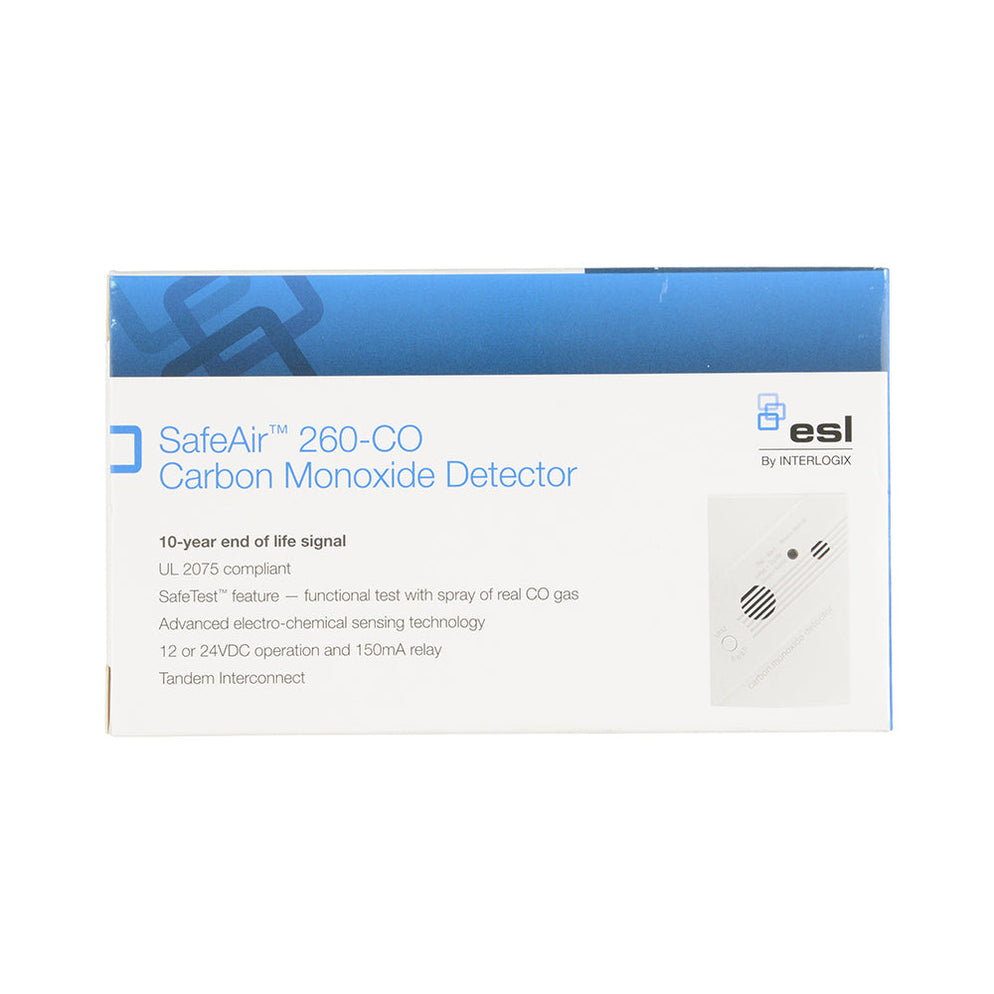
Next up, "Listed." This is the golden ticket, the seal of approval, the "I went to a fancy school and got certified" part. When a detector is "listed," it means an independent, accredited organization (like Underwriters Laboratories, UL, or Intertek, ETL) has rigorously tested it. They've put it through its paces to make sure it meets strict safety and performance standards. It’s like getting a five-star review, but for safety devices. You wouldn't buy a parachute without knowing it's been tested, right? Same goes for your CO detector!
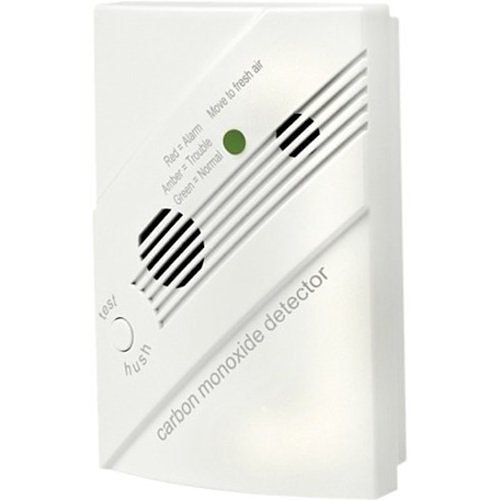
So, putting it all together, a Signaling Listed Carbon Monoxide Detector is a device that's been proven to accurately detect CO, and will loudly alert you when it does. It's not just some random gadget; it's a vetted, trusted piece of technology designed to keep you safe. It’s basically the VIP section of CO detectors.
Why Does This "Listed" Bit Matter So Much?
Because reliability, my friend, is everything when it comes to safety! You want to know that when that alarm goes off, it's for a good reason, and more importantly, that it will go off if there's an actual threat. A "listed" detector gives you that peace of mind. It means you’re investing in a product that’s been scrutinized and approved by experts, not just something that looks pretty on the shelf. It’s your home’s little guardian angel, but with more beeping and less harp music.
Where Should These Superheroes Live?
Just like you wouldn’t hide your favorite snacks in the broom closet (unless you’re on a diet, then maybe), you want to place these detectors strategically. Aim for one near or in every sleeping area, and on every level of your home. Avoid putting them right next to fuel-burning appliances or in incredibly dusty areas. They're good at their job, but they appreciate a little personal space!
Don't Forget the TLC!
Even superheroes need a little love. Remember to push that "test" button regularly (once a month is a good habit!) to make sure the alarm is working. It’s like giving it a little pep talk. And just like batteries in your TV remote, they don't last forever – change them twice a year (maybe when you change your clocks for daylight saving time, easy peasy!). Also, CO detectors themselves have a lifespan, usually 5-7 years, so check the manufacturer’s date and replace them when they're due. They've earned their retirement!
Wrapping it Up with a Smile
So there you have it! The not-so-secret secret to keeping your home safe from that invisible trickster, carbon monoxide. A Signaling Listed Carbon Monoxide Detector isn't just another gadget; it's a vital part of your home's safety team, giving you and your loved ones the ultimate gift: peace of mind. Knowing your home is protected means you can truly relax, snuggle up, and enjoy every moment without worry. So go ahead, sleep tight, knowing your trusty detector is on duty, keeping everyone safe and sound. Now that's something to smile about!
