Short Tons To Metric Tons Conversion
Ever found yourself looking at an article about global trade, perhaps discussing the incredible amount of grain shipped across oceans, and then paused, wondering, "Wait, is that a short ton or a metric ton?" If so, you're not alone! Diving into the world of weight conversions, especially between the Short Ton and the Metric Ton, isn't just a dry mathematical exercise. It's actually a pretty fun peek into how different parts of the world communicate and trade, and how knowing a simple conversion can unlock a clearer understanding of our globalized world.
The main purpose of understanding this conversion is all about clarity and accuracy, particularly when dealing with large quantities. Imagine you're in the shipping industry, or perhaps working on an international construction project. A miscommunication about whether a quoted price for steel is per short ton (common in the US) or per metric ton (standard almost everywhere else) could lead to significant financial discrepancies. Knowing the difference ensures smooth sailing in global business, preventing costly errors and ensuring everyone is literally on the same page about how much "stuff" they're talking about. It’s about speaking a common, albeit converted, language of mass.
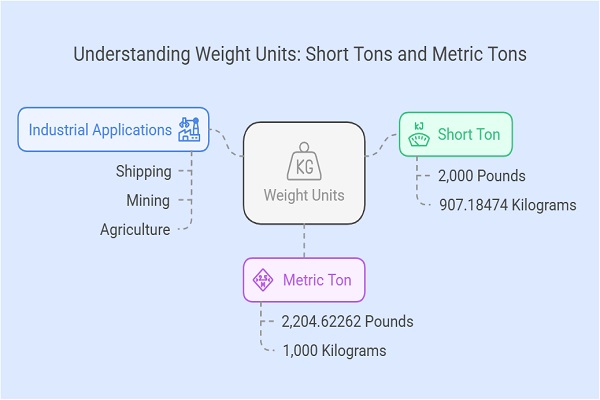
So, where might you bump into this in everyday life or during your learning adventures? In education, geography classes often discuss the production of commodities like coal, iron ore, or petroleum, frequently quoting figures in either short or metric tons depending on the source. Understanding the conversion helps you compare data accurately from different regions. In science, when studying massive structures or astronomical bodies, knowing how these units relate helps in grasping scale. In daily life, perhaps you're reading an international news report about a humanitarian aid shipment, or the capacity of a massive cargo ship. Knowing that a Metric Ton (or tonne) is about 2,204.6 pounds, while a Short Ton is exactly 2,000 pounds, gives you an immediate sense of scale and precision. Think of it: a metric ton is actually heavier than a short ton! This little tidbit can really make those numbers jump out at you.
Must Read
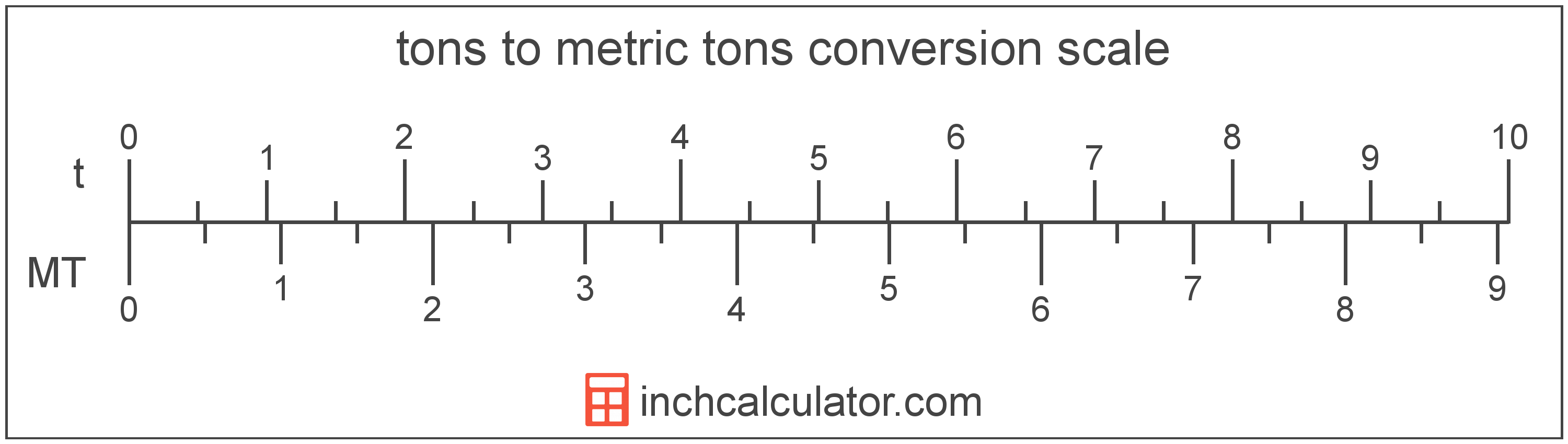
Ready to explore it yourself? It’s surprisingly simple! The key conversion factor to remember is: 1 Short Ton = 0.907185 Metric Tons. Or, if you're going the other way: 1 Metric Ton = 1.10231 Short Tons. For a quick mental check, just remember that a short ton is roughly 10% less than a metric ton. So, if you hear 100 short tons, you know it's a little less than 100 metric tons. A great practical tip is to keep a simple calculator handy, or even just use your phone's search engine to quickly convert when you encounter these figures. You could try an experiment: look up the annual steel production of the United States (often in short tons) and compare it to, say, China's production (usually in metric tons). Convert one to the other, and see how the numbers truly stack up. It's a great way to grasp the true scale of global industry. Exploring these conversions isn't just about numbers; it's about gaining a more nuanced understanding of the world around us, one heavy load at a time!