
Sheet Music For A Trumpet
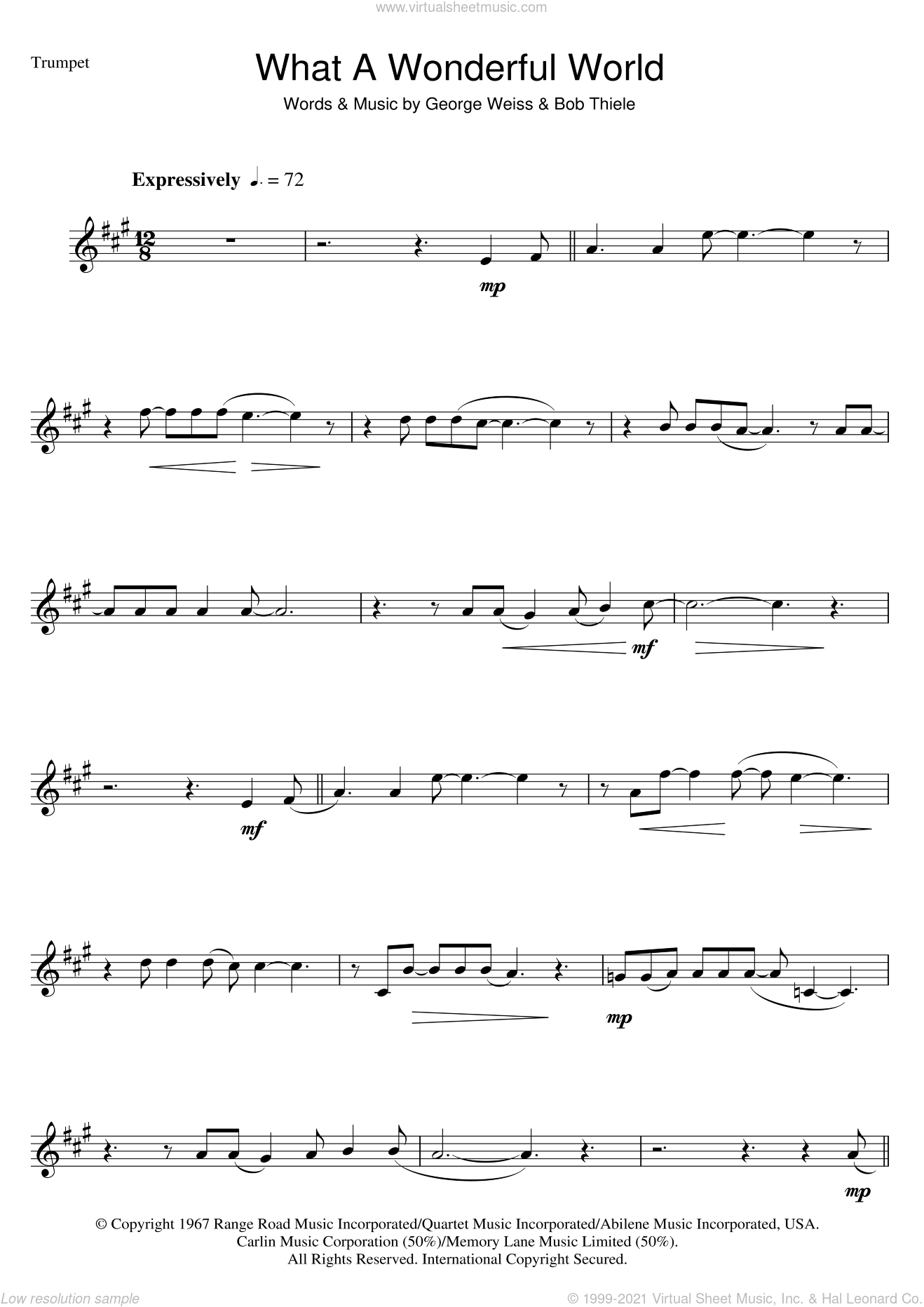
Ever looked at a piece of trumpet sheet music and felt like you were staring at an alien language? Don't worry, you're not alone! It can seem intimidating at first, like trying to understand a doctor's handwriting...but with music.
But fear not, aspiring trumpet maestro! It's actually much simpler than you think. Think of it like a treasure map, leading you to musical gold!
Decoding the Musical Treasure Map
So, what exactly IS sheet music? Simply put, it's a written language that tells you what notes to play and for how long. It's the trumpet player's equivalent of a chef's recipe or a gamer's walkthrough.
Must Read
Imagine trying to bake a cake without a recipe. You might end up with something vaguely edible, but probably not award-winning. Sheet music helps you create beautiful music, consistently and reliably.
The Staff: Your Musical Playground
The first thing you'll see is the staff, those five horizontal lines that look like a fence for musical notes. It's the foundation upon which the entire musical structure is built.
Notes sit either on a line or in a space between the lines. Each line and space represents a different musical pitch, higher or lower.
Think of it like climbing a ladder. The higher you go, the higher the pitch!
Notes: The Building Blocks of Music
Ah, the notes themselves! These little ovals with stems are the alphabet of music. They tell you which note to play.
Different looking notes also tell you how long to hold each note. Whole notes are held for a long time, while quarter notes are much shorter. It's all about timing!
A whole note is like a whole pizza, you savor every bite. A quarter note is a quick snack, just enough to keep you going.
Rhythms: The Heartbeat of the Music
Rhythm is how long you hold each note, but also the organization of those durations. It's what gives music its groove and makes you want to tap your foot.
Imagine a song without rhythm. It would just be a bunch of notes strung together randomly, like a sentence without punctuation. No fun!
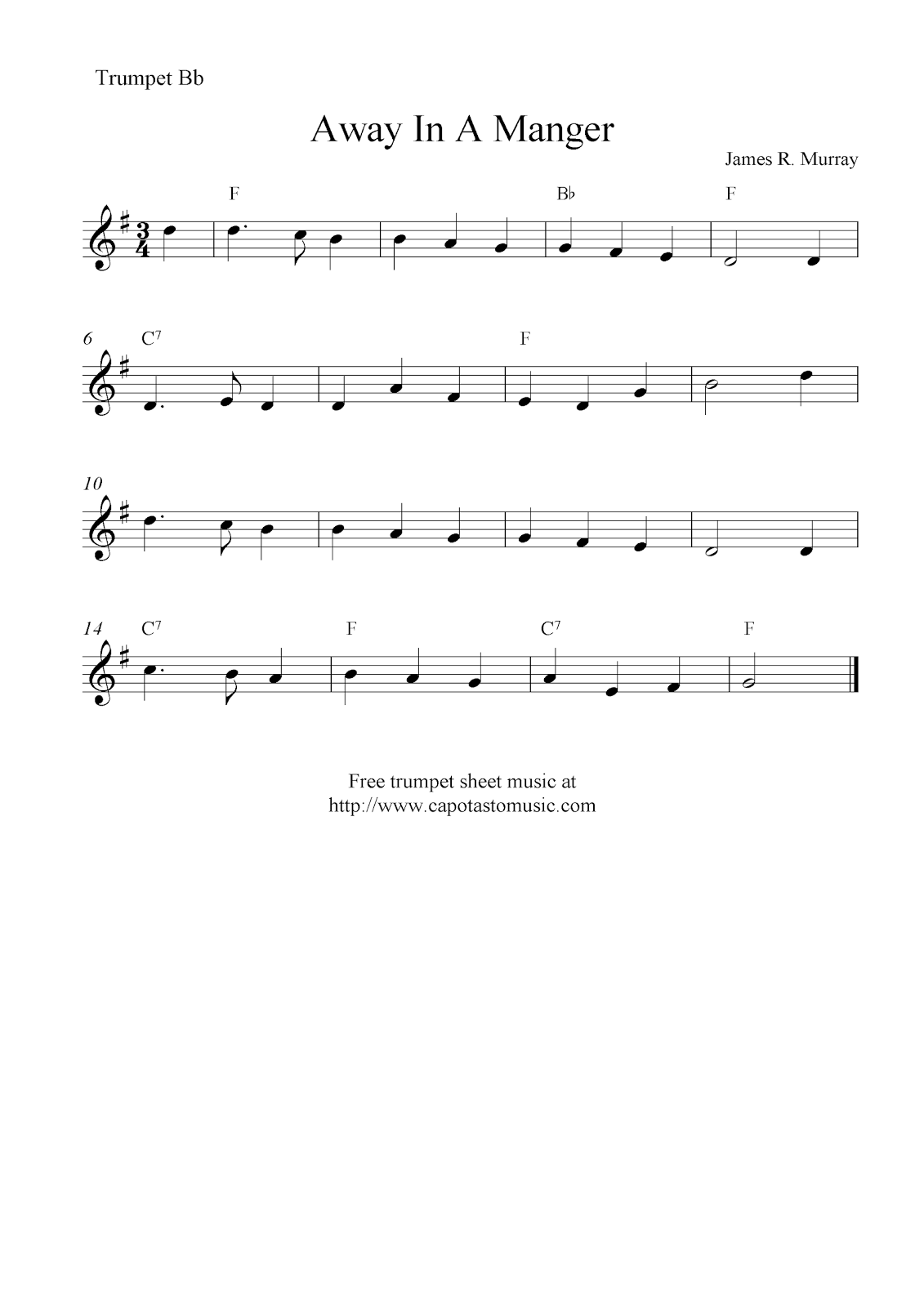
Pay close attention to the time signature, usually found at the beginning of the piece. It tells you how many beats are in each measure, setting the rhythmic stage.
Key Signatures: Setting the Musical Scene
The key signature, those sharps (#) or flats (b) hanging out near the beginning, tells you what key the song is in. It's like setting the mood for the piece.
Sharps raise a note by a half-step, while flats lower it. They create a unique flavor to the music.
Think of it like adding spices to a dish. Sharps might add a little zing, while flats create a more mellow flavor.
Dynamics: Adding Emotion and Expression
Dynamics are the loud and soft markings. They tell you how loudly or softly to play, adding emotion and expression to the music.

You'll see things like p for piano (soft), f for forte (loud), and everything in between. These are your volume controls!
Imagine a dramatic movie scene with a whisper-quiet conversation suddenly erupting into a booming argument. Dynamics are the musical equivalent!
Accidentals: Throwing a Curveball
Accidentals, like sharps, flats, and naturals, appear within the music. They temporarily change the pitch of a note for that measure only.
They add a little surprise and variation to the melody. They're musical curveballs!
Think of it like adding a pinch of salt to a sweet dessert. It might seem unexpected, but it can actually enhance the flavor.
Learning to Read: Practice Makes Perfect (and Fun!)
The best way to learn to read trumpet sheet music is simply to practice. Start with easy pieces and gradually work your way up to more complex ones.
Don't be afraid to make mistakes. Everyone does, even the pros! Just keep practicing and you'll be amazed at how quickly you improve.
Imagine learning to ride a bike. You'll probably fall a few times, but eventually you'll be cruising along like a pro!

Tips for Trumpet Sheet Music Triumph
Break it down! Don't try to learn everything at once. Focus on one element at a time, like rhythm or notes.
Use a metronome. A metronome helps you keep a steady beat, which is essential for accurate rhythm.
Sing the melody. Singing the melody helps you internalize the music and makes it easier to play on the trumpet.
Listen to recordings. Hearing how the piece is supposed to sound can give you a better understanding of the music.
Find a teacher. A good trumpet teacher can provide personalized guidance and help you avoid bad habits.
Most importantly, have fun! Learning to read music should be an enjoyable experience. Don't put too much pressure on yourself.
Resources for Aspiring Trumpeters
There are tons of resources available to help you learn to read trumpet sheet music. From online tutorials to printed books, there's something for everyone.
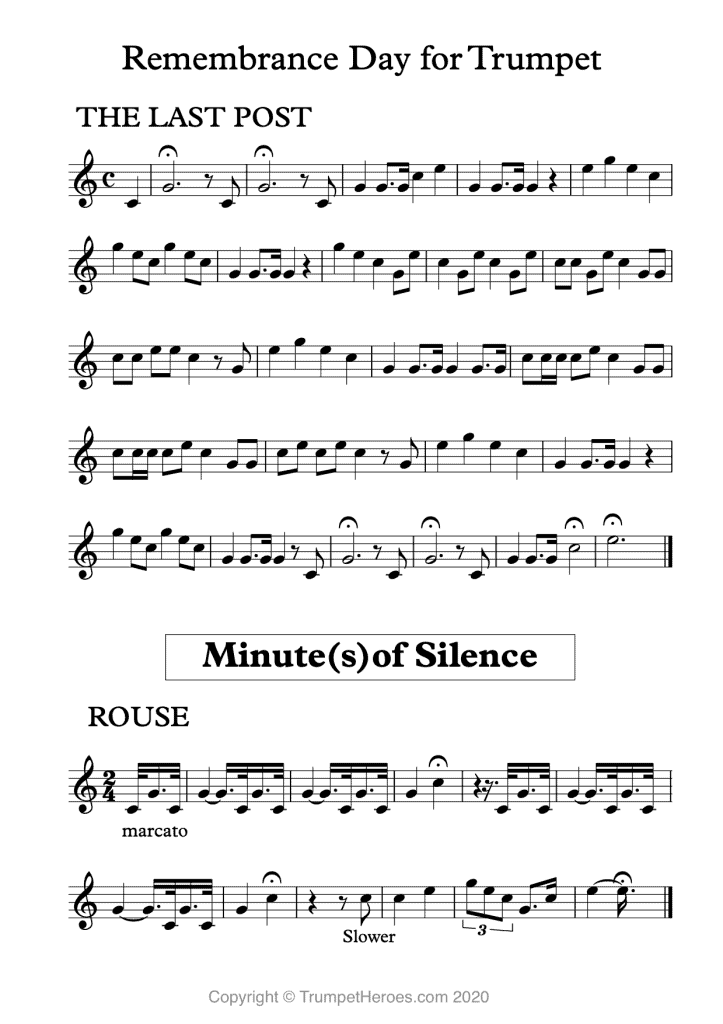
Websites like IMSLP (Petrucci Music Library) offer a vast collection of free sheet music. It's like a giant musical library at your fingertips!
Apps like MuseScore and forScore can help you practice and organize your sheet music. They're like digital music assistants.
The Joy of Making Music
Learning to read sheet music opens up a whole new world of musical possibilities. You can play your favorite songs, join a band, or even write your own music!
Imagine the feeling of playing a beautiful melody on your trumpet, perfectly in tune and in rhythm. It's an amazing feeling!
So grab your trumpet, find some sheet music, and start playing! The world of music is waiting for you.
Remember, even Louis Armstrong started somewhere. With dedication and a little bit of fun, you'll be blowing your own trumpet masterpieces in no time.
Now go forth and make some music! The world needs your trumpet sounds! Your neighbors might need earplugs, but that's a small price to pay for musical greatness. Just kidding! (Mostly.)