
Reset Smoke Detector After Battery Change
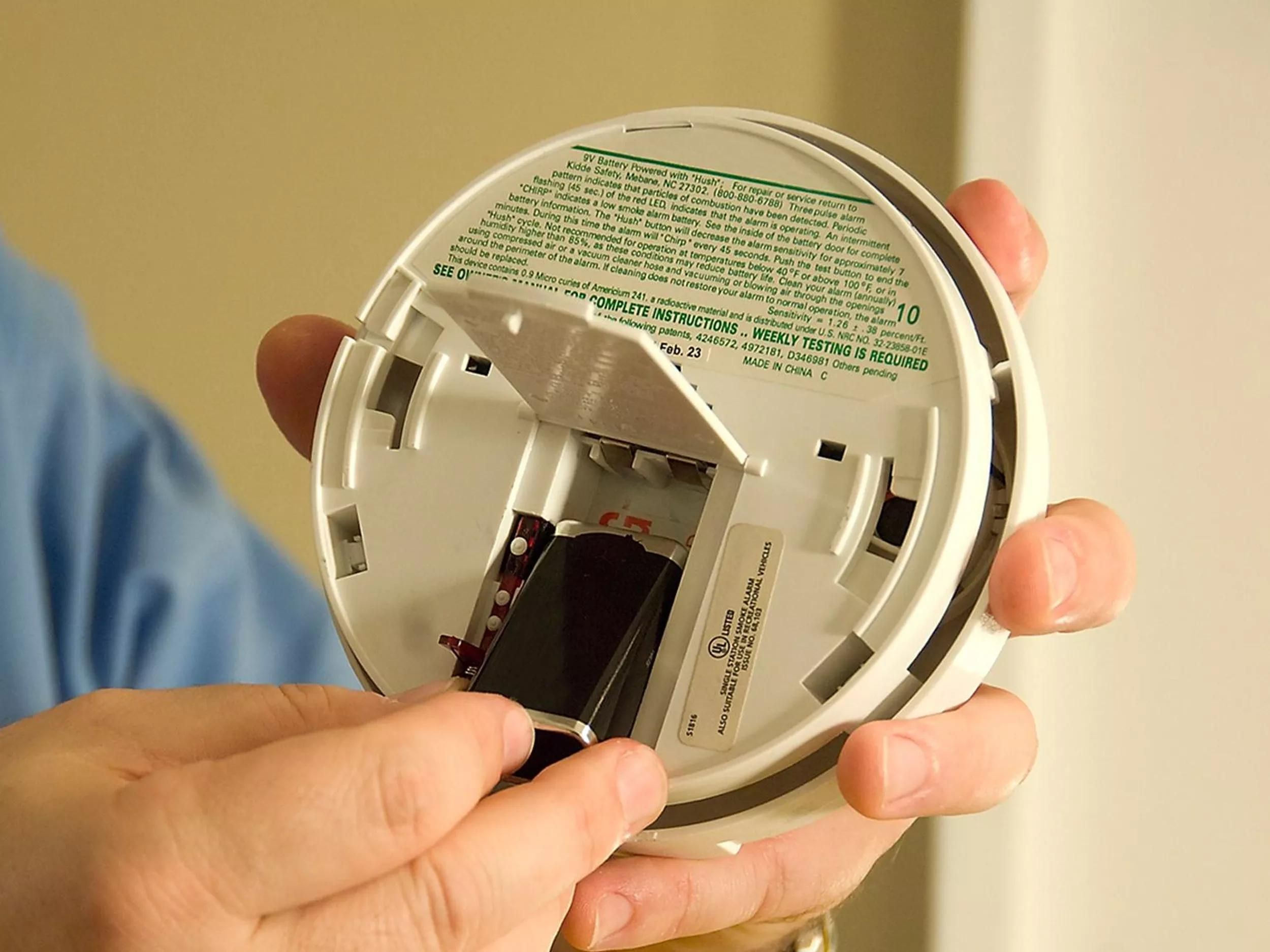
Ah, that sound. The dreaded, intermittent, "Is it a cricket? Is it a ghost? No, it's just my smoke detector's low battery chirp." We've all been there, wandering around our homes like a detective in a poorly lit noir film, trying to pinpoint the source of that insistent, tiny beep. It's a universal rite of passage for homeowners and renters alike, a little serenade that often strikes at the most inconvenient hours – usually 2 AM, right?
You find it, you conquer it, you swap out those tired old batteries for fresh ones. Mission accomplished, right? Not always, my friend. Sometimes, even with new power, that stubborn little sentinel of safety still gives a defiant chirp. Before you resign yourself to a life of perpetual annoyance or consider dramatic measures (like moving), let's talk about the often-overlooked but utterly essential step: resetting your smoke detector.
The Post-Battery Chirp: Why It Happens
Think of your smoke detector like a mini-computer. When its battery is low, it sends out that warning signal. Even after you replace the power source, its internal "brain" (a capacitor, for the tech-savvy among us) might still be holding onto the memory of that low battery state. It's a bit like your phone needing a hard reboot after an update, or your laptop getting confused until you tell it to really start fresh. A simple battery swap might provide power, but it doesn't always clear that internal "error code."
Must Read
This is where the reset comes in. It's not just about giving it juice; it's about telling it, "Hey, buddy, everything's cool now. Forget the past, we're on a fresh start!"
Your Smooth Operator's Guide to a Silent Sanctuary
Ready to silence that incessant little alarm for good? Here’s your step-by-step, easy-breezy guide:
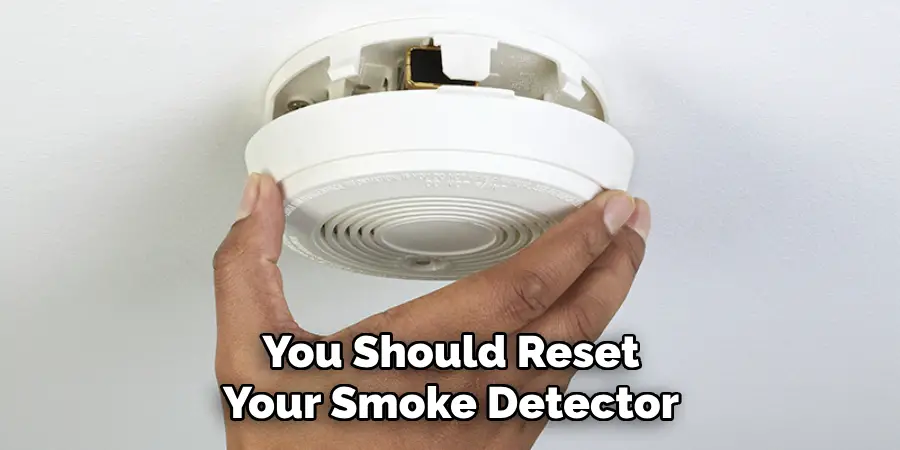
Step 1: Power Down (Safely!)
First things first, turn off the power to the smoke detector. If it's hardwired (connected directly to your home's electrical system), you'll need to flip the corresponding circuit breaker at your electrical panel. If it's purely battery-operated, simply remove the batteries.
Pro Tip: Label your circuit breakers! It makes life so much easier than playing "guess the switch."
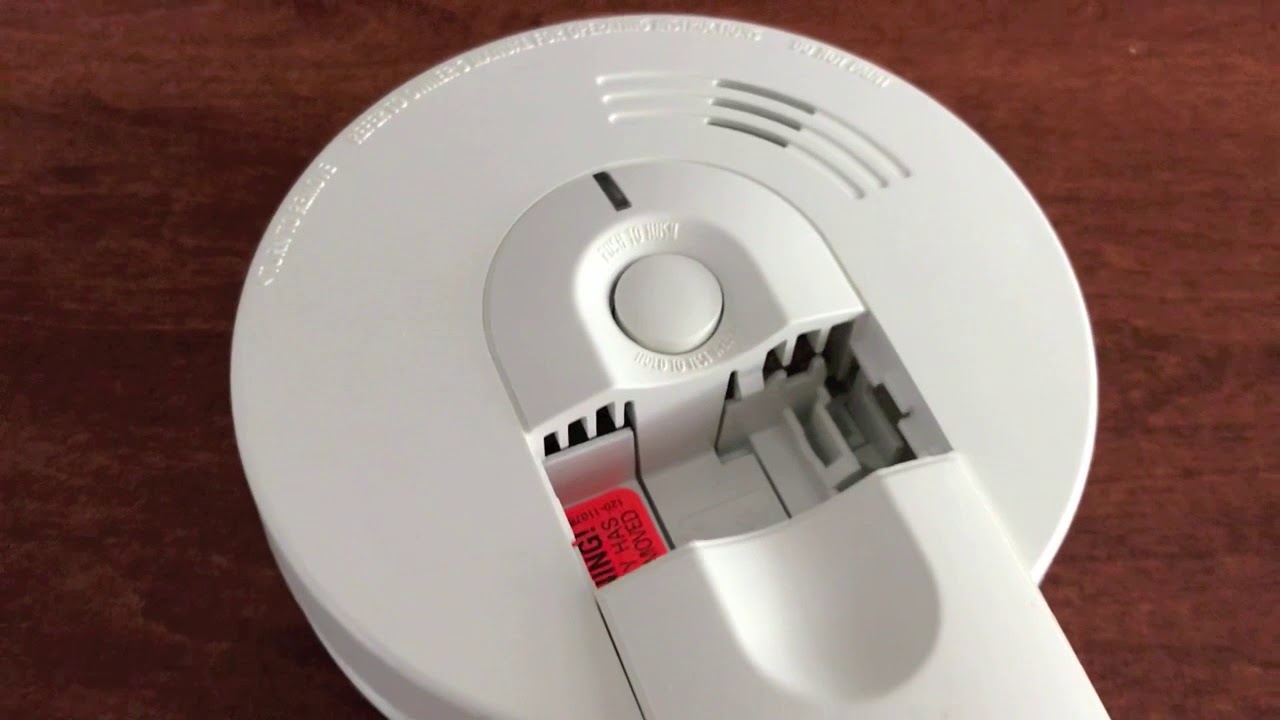
Step 2: The Battery Swap (Again, If Needed)
Make sure those batteries are fresh. We're talking brand new, not ones you "borrowed" from the TV remote. Most detectors use 9-volt, AA, or AAA batteries. Pop them in correctly, paying attention to the positive and negative terminals.
Fun Fact: Did you know that changing your smoke detector batteries when you change your clocks for Daylight Saving Time is a popular and super effective habit? Twice a year, no forgetting!

Step 3: The Magical Reset!
This is the money shot. While the detector is still without power (either disconnected from the mains or with no batteries in), press and hold the test button for about 15-20 seconds. This drains any residual power from the capacitor, clearing its memory of the low battery warning. It's like a tiny brain flush!
Step 4: Reconnect and Re-power
Now, put the fresh batteries back in (if you took them out) or flip your circuit breaker back on. The detector should emit a single, happy beep to indicate it's powered up and ready to go.
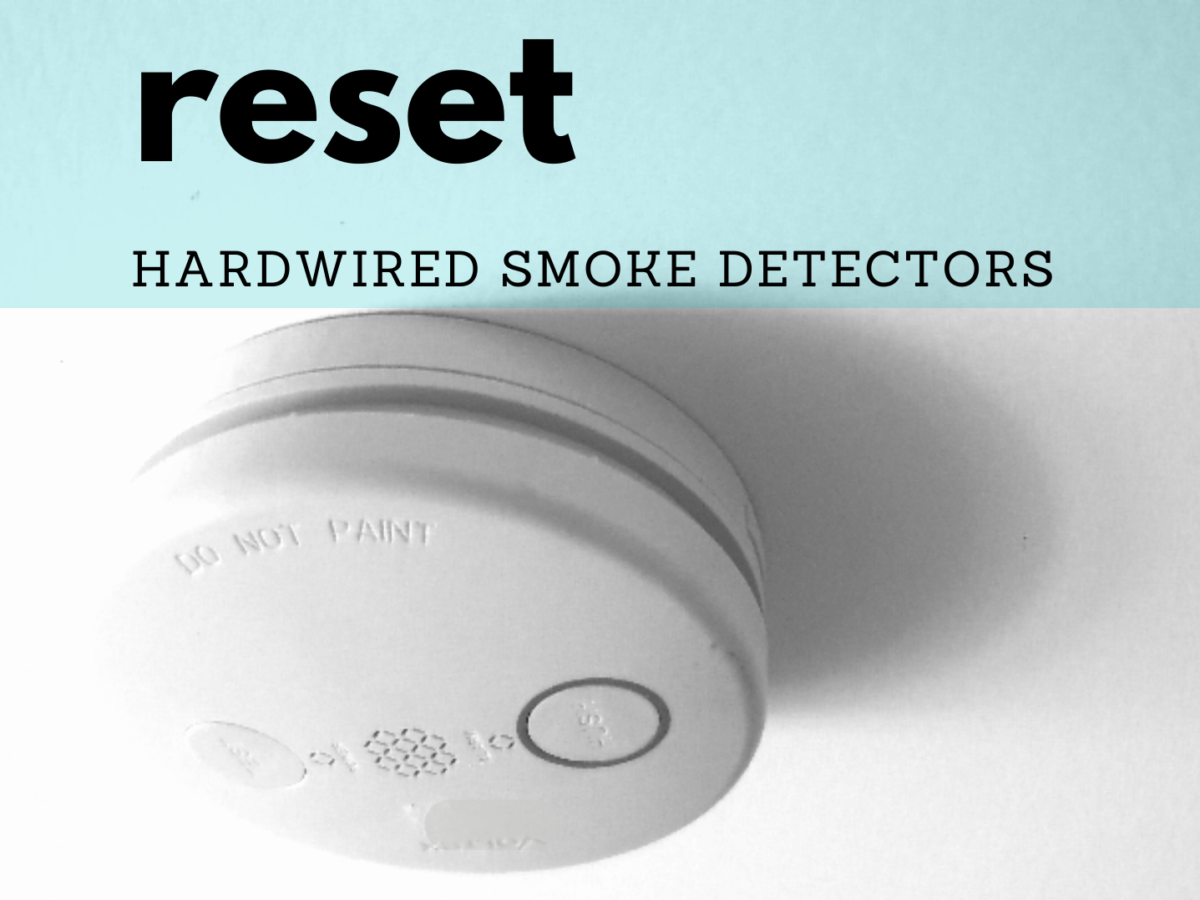
Step 5: Test It Out!
Finally, press and hold the test button briefly. The alarm should sound loudly and clearly. This confirms it's working properly and that the reset was successful. If it still chirps, repeat the reset process. Sometimes, it takes a couple of tries, especially if the capacitor was particularly stubborn.
Beyond the Chirp: A Few Extra Pointers
- Cleanliness is Key: Dust and cobwebs can interfere with a smoke detector's sensors. Give it a gentle vacuum or wipe down once in a while.
- Know Your Detector: Read your detector's manual! Different models can have slightly different reset procedures.
- Check Expiration Dates: Smoke detectors themselves have an expiration date, usually 7-10 years after the manufacturing date. Look for a date on the back; if it's expired, even new batteries won't save you. Time for a replacement!
Resetting a smoke detector after a battery change is one of those small, often overlooked acts of home maintenance that brings immense peace of mind. It’s a simple flick of a switch, a brief hold of a button, but it silences that nagging worry and ensures your home's vigilant guardian is truly ready to protect you and your loved ones.
In a world full of big worries and complex tasks, it's these little victories – like taming a chirping smoke detector – that remind us how satisfying it can be to take control of our surroundings. So go forth, embrace the reset, and enjoy the blissful silence that follows. You've earned it!