
Requirements For Credit Card Chase

So, you're thinking about getting a Chase credit card? Excellent choice! But before you start picturing yourself racking up reward points on that dream vacation, let's talk about what you'll need. It's not as scary as you might think.
The Credit Score Conundrum
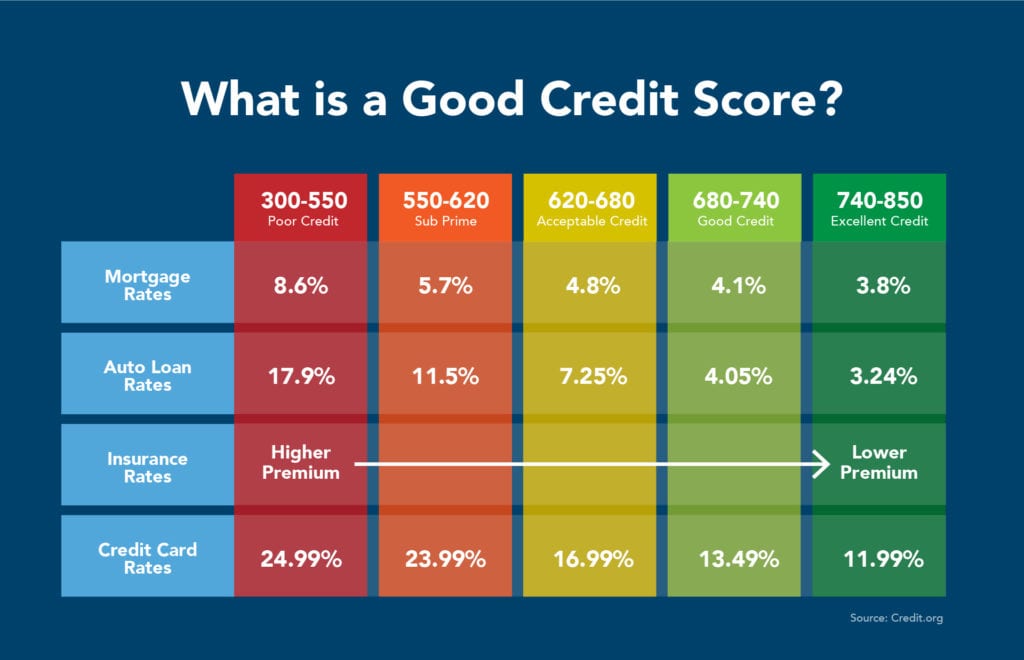
First, the elephant in the room: your credit score. Chase, like most major lenders, wants to see that you're responsible with money. Think of it like this: they're entrusting you with their money, so they want to know you'll pay it back!
Generally, a score in the good to excellent range (670 or higher) is ideal. A higher score means better chances, and potentially better interest rates and rewards. Don't fret if your score isn't quite there yet; there are ways to improve it.
Must Read
Building (or Rebuilding) Your Credit
If your credit score needs some love, start small. Consider a secured credit card, where you put down a deposit that acts as your credit limit. Paying your bills on time, every time, is key. Think of it as training your financial muscles.
Another way is to become an authorized user on someone else's credit card. Ask a trusted family member or friend with good credit to add you to their account. Just make sure they're responsible spenders, or their habits could negatively impact your credit!
Income Verification: Show Me the Money!
Next up, income verification. Chase wants to be sure you can actually afford to pay your bills. They don't want to see you drowning in debt – that's bad for both of you.
This usually means providing proof of your income. This could be in the form of pay stubs, tax returns, or bank statements. Freelancers and self-employed individuals, get ready to dust off those 1099s!
Beyond the Salary: What Counts as Income?
Here's a little secret: income doesn't always mean just your salary. Alimony, investment income, and even regular support payments can be considered. Be prepared to provide documentation to support these claims.
Household income can sometimes be considered. If you share expenses with a partner or spouse, their income might be factored in. This is especially helpful for students or those with lower individual incomes.
Application Specifics: Getting Down to Brass Tacks
Now for the application itself. Chase will ask for your personal information, like your name, address, and Social Security number. This is standard procedure, so don't be alarmed.
They'll also want to know details about your housing situation. Do you own or rent? How long have you lived there? These questions help them assess your stability.
The 5/24 Rule: A Chase Cardholder's Kryptonite?
Ah, the infamous Chase 5/24 rule. This rule states that if you've opened five or more credit cards (from any bank) in the past 24 months, Chase will likely deny your application. It’s a notorious hurdle for avid points collectors.
This rule is a major consideration when planning your credit card strategy. Think carefully about which cards you want to apply for and in what order. It’s a strategic game!
Credit History Length: Patience is a Virtue
Another factor Chase considers is the length of your credit history. They want to see that you have a track record of responsible credit use. A longer history generally equals a better chance of approval.
![The Minimum Requirements for Chase Credit Cards [2022]](https://upgradedpoints.com/wp-content/uploads/2021/04/Chase-credit-cards-and-cash.jpg)
If you're new to credit, don't despair! Start with a student credit card or a secured credit card to build your credit history. Rome wasn't built in a day, and neither is a great credit score!
The Importance of a Good Relationship
Having an existing relationship with Chase can sometimes give you a leg up. If you have a checking or savings account with them, they already have some insight into your financial habits. Think of it as having a foot in the door.
Building a good banking relationship can signal trustworthiness. But don’t rely on this solely; a solid credit score and income are still crucial. Consider it the cherry on top, not the whole sundae.
What Happens After You Apply?
After you submit your application, Chase will review it and make a decision. This usually takes a few days, but it can sometimes take longer. Patience, young Padawan!
You might receive an instant approval, a denial, or a request for more information. Don't panic if you don't hear back immediately. The waiting game can be agonizing, but try to relax.

The Reconsideration Line: A Last Resort
If you're denied, don't give up hope! Chase has a reconsideration line that you can call. This is your chance to explain your situation and plead your case. Be polite, be prepared, and be persistent!
Sometimes, a simple explanation of a recent credit event or income change can sway their decision. It's worth a shot, especially if you think there was an error on your application. It’s like a final exam, give it your best!
Choosing the Right Chase Card: Finding Your Perfect Match
Chase offers a wide range of credit cards, each with its own unique benefits and rewards. Choosing the right card for your needs is essential. Do your research and consider your spending habits.
Are you a frequent traveler? Look for a card with travel rewards, like airline miles or hotel points. Do you spend a lot on dining and groceries? Find a card that offers bonus rewards in those categories. It’s like finding the perfect pair of shoes.
The Allure of Ultimate Rewards: Travel Hacking Heaven
Many Chase cards earn Ultimate Rewards points, which are incredibly valuable. These points can be redeemed for travel, cash back, or gift cards. They are the darling of the travel hacking community.
If you’re serious about maximizing your rewards, understanding the Ultimate Rewards ecosystem is crucial. It's like unlocking a secret level in a video game. Get ready to travel for less!

Common Mistakes to Avoid: Learning from Others
Applying for too many credit cards at once is a common mistake. Remember the 5/24 rule! Spreading your applications out over time will increase your chances of approval. Patience is a virtue.
Another mistake is not understanding the terms and conditions of the card. Read the fine print! Know the interest rates, fees, and rewards structure before you apply. Don’t get caught off guard by hidden fees!
The Perils of Late Payments: A Credit Score Killer
Making late payments is a big no-no. Late payments can damage your credit score and trigger penalty fees. Set up automatic payments to avoid this costly mistake. Consider it your financial safety net.
Don't just pay the minimum balance. Aim to pay off your balance in full each month to avoid accumulating interest charges. Interest charges can quickly eat away at your rewards! Remember that credit cards aren’t free money.
In Conclusion: Your Journey to a Chase Card
Getting a Chase credit card requires some planning and preparation. But with a good credit score, a stable income, and a clear understanding of the application process, you can increase your chances of approval. Remember, responsible credit use is key.
So, take your time, do your research, and choose the card that best fits your needs. Good luck on your Chase card journey! May the rewards points be ever in your favor!