
Range Of Np Size For Immunotherapy

Ever heard of immunotherapy? It's like teaching your immune system to be a superhero. Think of it as giving your body special powers to fight off nasty diseases, especially cancer!
The Nano-Sized Sidekick: Nanoparticles!
Now, here's where things get really cool. Scientists are using tiny particles, called nanoparticles, to boost immunotherapy. Imagine these particles are like miniature sidekicks, helping your immune cells do their job better.
But here's the kicker: size matters! Seriously, the size of these tiny helpers can make a HUGE difference in how well they work. It's like Goldilocks and the Three Bears – not too big, not too small, but just right.
Must Read
Finding the "Just Right" Size: Why It's So Intriguing
Figuring out the perfect size for these nanoparticles is a bit of a puzzle. Too big, and they might not even get to where they need to be. Too small, and they might get lost or filtered out by the body before they can do their thing. It's like trying to deliver a secret message through a crowded city!
Scientists are playing detective. They are testing different sized nanoparticles. They want to see which ones are the most effective at delivering immunotherapy drugs. This is why the range of nanoparticle (NP) size becomes a super interesting area!

This search for the perfect size is not just about finding something that works. It's about understanding how our bodies work at a fundamental level. It's a fascinating journey into the microscopic world! The ultimate goal? To fine-tune immunotherapy and make it even more effective for everyone.
The Great Nanoparticle Size Experiment
Imagine a lab filled with tiny, shimmering particles. Scientists are meticulously measuring and testing these nanoparticles. They are adjusting their sizes by mere nanometers. This experiment isn't just science; it's art!

They're watching how these particles interact with immune cells. Are they being gobbled up efficiently? Are they releasing their drug cargo at the right spot? It's like watching a miniature ballet of biological processes unfolding before their eyes.
Different sizes can lead to radically different results. A slightly larger nanoparticle might stick around longer. A slightly smaller one might penetrate tissues better. The possibilities seem endless, and that's what makes it so captivating.
Size Matters: Some Examples to Spark Your Imagination
Think about it this way: a larger nanoparticle might be great for delivering a sustained dose of medication. It's like a slow-release capsule for your immune system. Whereas a smaller nanoparticle might be perfect for sneaking into a tumor. Imagine it's a stealth agent delivering a targeted strike.
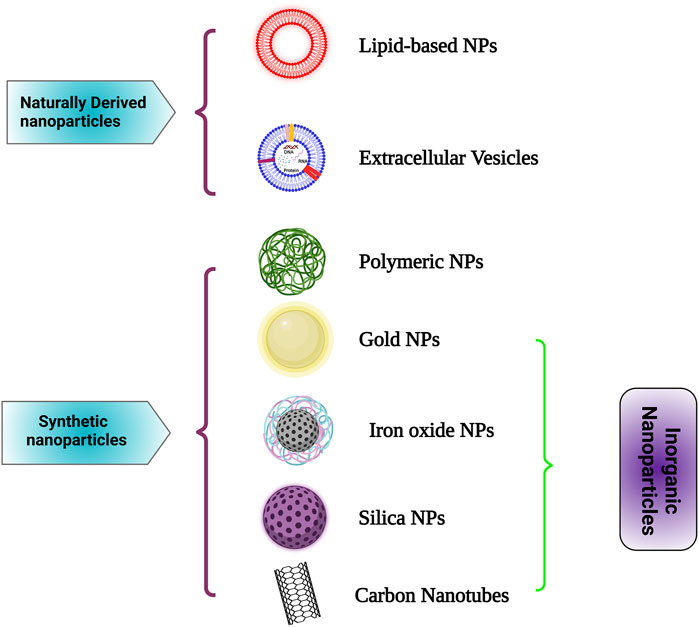
Some studies have shown that nanoparticles around 50-100 nanometers can be really good at getting into tumors. They have the right balance of size and surface properties. Other studies might focus on larger particles, say 200 nanometers or more. These may be designed for a different kind of delivery or interaction with the immune system.
The specific disease and the specific drug being delivered also play a big role. It's not a one-size-fits-all solution. It is about tailoring the nanoparticle size to the unique needs of each patient and each treatment. This is truly cutting-edge personalized medicine!

Why This Matters to You (and Why It's So Cool!)
This research into nanoparticle size and immunotherapy isn't just for scientists in labs. It has the potential to impact all of us. Better immunotherapy treatments could mean more effective ways to fight cancer and other diseases.
This could mean fewer side effects and better outcomes for patients. Imagine a future where cancer treatment is less scary and more effective. That's the promise of this research. It’s the hope that nanoparticles will bring.
So, next time you hear about immunotherapy or nanoparticles, remember the exciting work being done to find the perfect size. It's a story of scientific curiosity, innovation, and the unwavering pursuit of better health for everyone. Who knows, maybe you'll be inspired to join the adventure!