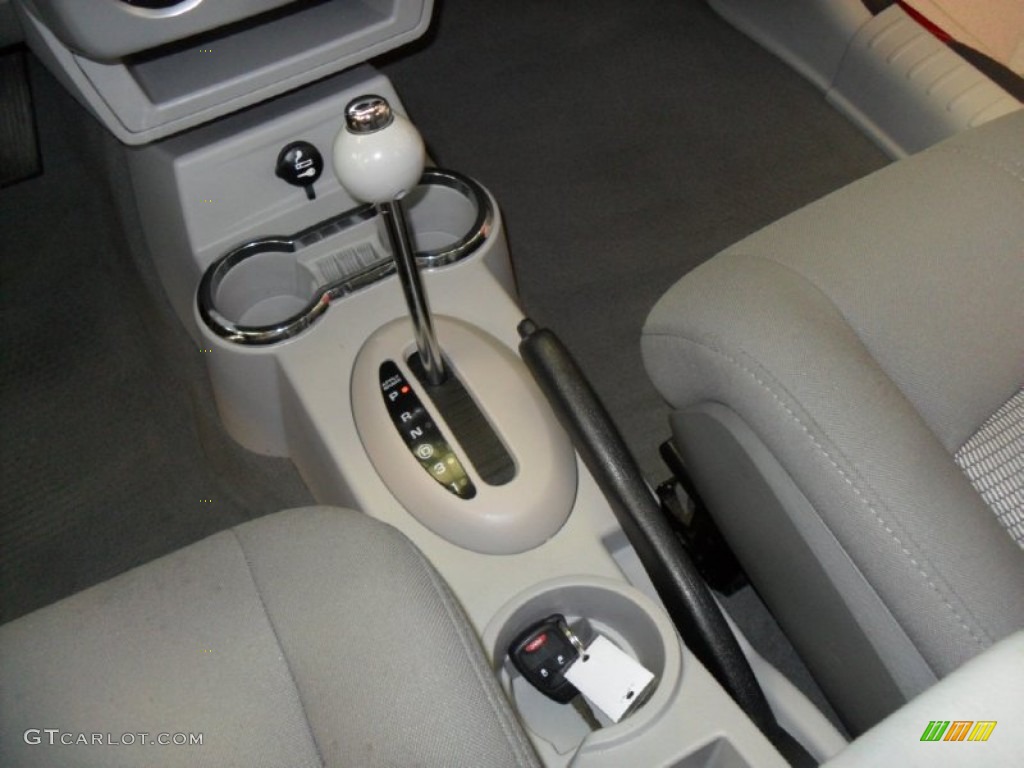
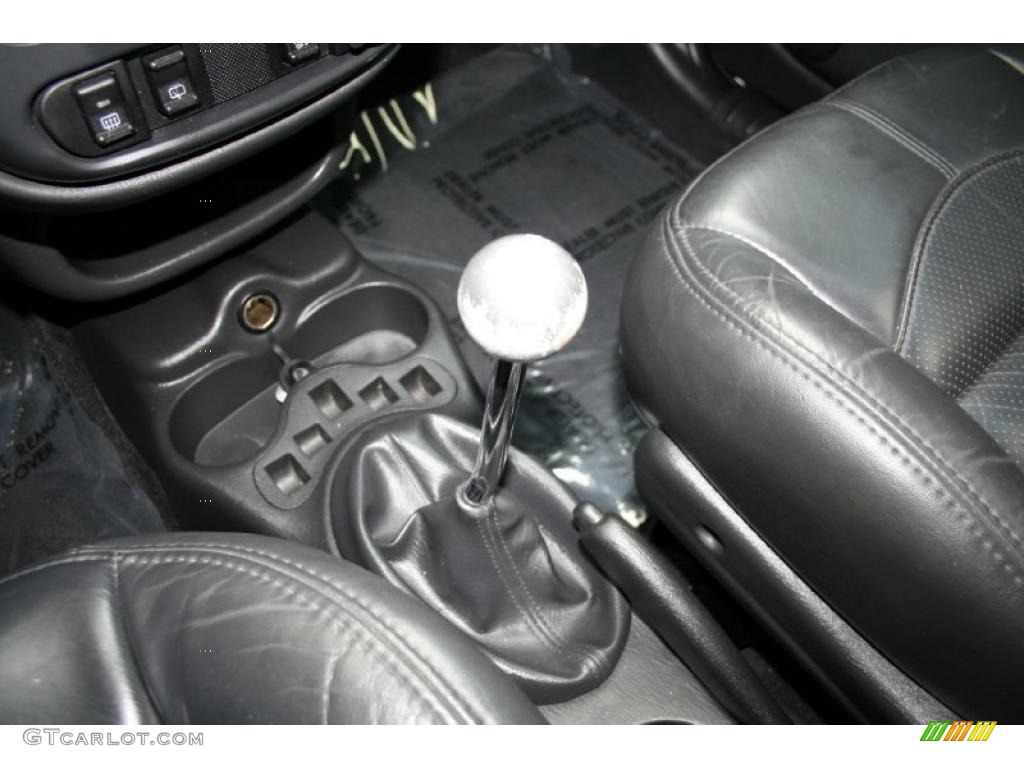
Pt Cruiser Transmission Replacement Cost

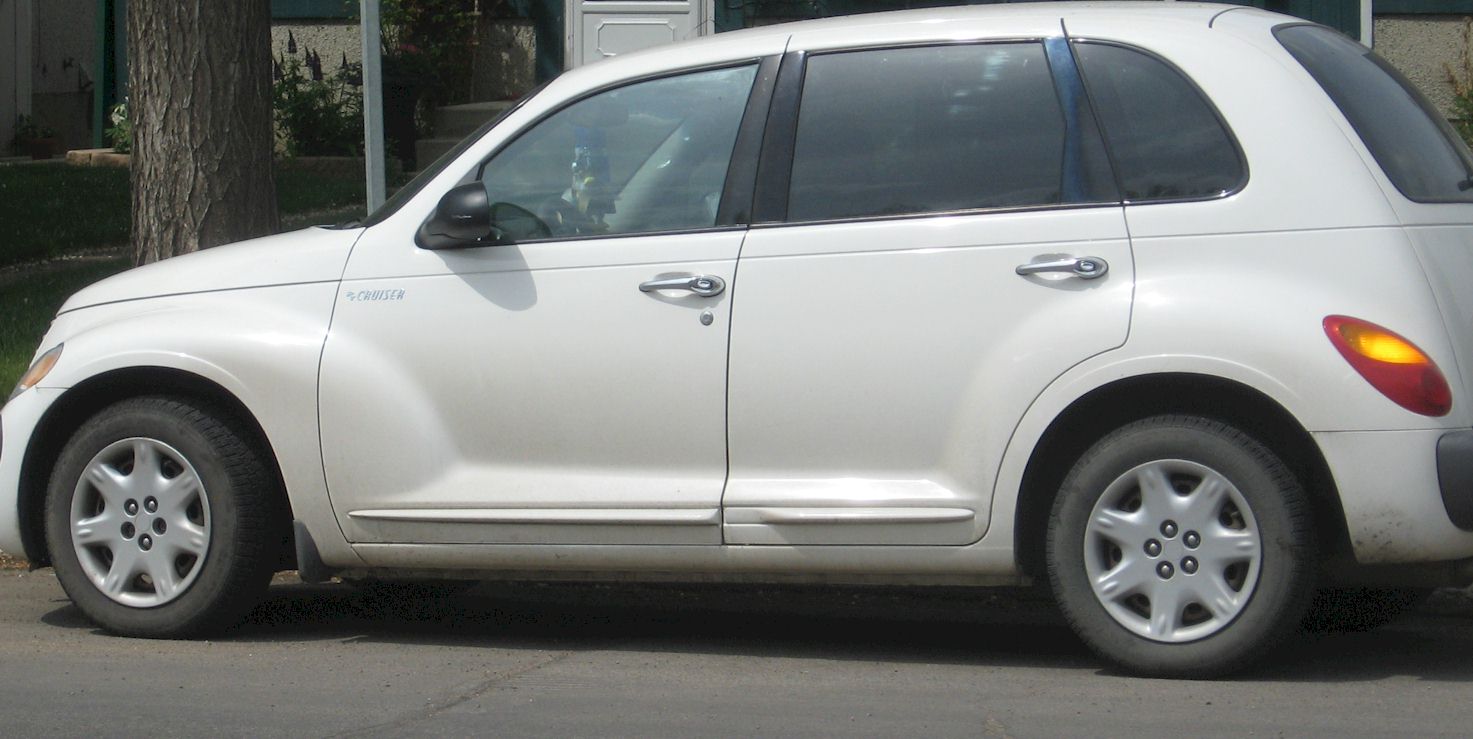
Let's face it, nobody truly enjoys thinking about car repairs, especially transmission issues. But, if you own a Chrysler PT Cruiser, the dreaded phrase "transmission replacement" might have crossed your mind. These quirky, retro-styled wagons have a dedicated following. People love their unique look, surprising practicality, and relatively affordable price point. They're perfect for hauling groceries, running errands, and even weekend adventures. However, like any vehicle, they can experience wear and tear, and the transmission is a common area of concern.
A functioning transmission is absolutely essential for getting your PT Cruiser (or any car) from point A to point B. It's the unsung hero that smoothly transfers power from the engine to the wheels, allowing you to accelerate, decelerate, and shift gears. Without it, you're essentially stuck with a very expensive, immobile paperweight. It’s the purpose that helps you move forward in life. When your transmission starts to fail, you might experience symptoms like slipping gears, harsh shifting, strange noises, or even complete failure to move.
So, why are we talking about transmission replacement cost? Because knowledge is power! Understanding the factors that influence the price can help you make informed decisions and avoid getting ripped off. Several things affect the final bill. First, is it a new, rebuilt, or used transmission? A brand new transmission will be the most expensive, but also the most reliable option, offering the longest lifespan. A rebuilt transmission involves replacing worn parts in your existing transmission, offering a balance between cost and reliability. A used transmission is the cheapest option, but it comes with the highest risk, as you don't know its history or remaining lifespan.
Must Read
Secondly, the cost of labor is a significant factor. Transmission replacement is a complex job that requires specialized tools and expertise. Labor rates vary depending on the mechanic's experience, location, and the complexity of the repair. Dealerships typically charge higher labor rates than independent repair shops.
Finally, don't forget about related components. Often, when replacing a transmission, it's wise to replace other parts at the same time, such as the transmission fluid, filter, and sometimes even the torque converter. While these add to the initial cost, they can prevent future problems and extend the life of your new transmission. Common applications for this are, as stated, making your car reliably function for daily commutes.
Now, for some practical tips to navigate this potential expense. First, get multiple quotes from different mechanics. Don't just go with the first one you find. Compare prices and ask about the warranty offered on the replacement transmission and labor. Second, research the mechanic's reputation online. Read reviews and check for any complaints. Third, ask about the specific type of transmission being used (new, rebuilt, or used) and its warranty. Understand the terms and conditions of the warranty before agreeing to the repair. Lastly, consider preventative maintenance. Regular transmission fluid changes can help extend the life of your transmission and potentially delay or even prevent the need for a replacement. This ensures a smoother driving experience for years to come.