
Provide The Correct Iupac Name For The Compound Shown Here.

Okay, picture this: you're at a molecular masquerade ball. All these atoms are dressed up, linked together in elaborate formations. Some are simple, like tiny waltzers. Others? Well, they're doing the tango with side chains and complicated rings. And like any good party, everyone needs a name tag!
That's where IUPAC comes in – not the name of a DJ, but the International Union of Pure and Applied Chemistry. They're like the official name-givers for all things molecular. They set the rules for how we describe these compounds, so everyone, from your grandma who bakes cookies to a rocket scientist, knows exactly what we’re talking about.
Unveiling the Mystery Compound
So, let’s say you're presented with a weird-looking diagram: a chain of carbons, a couple of branches sticking out, maybe an oxygen or two thrown in for good measure. It looks like something a toddler doodled after raiding the LEGO bin. Your task? To christen this creation with its proper IUPAC name.
Must Read
The first step is like finding the longest conga line of carbon atoms. That's your "parent chain." Count 'em up! Is it five carbons? Then we’re talking about a pentane. Six? A hexane. Think of it as naming the main street of a molecular city.
But what about those LEGO bricks sticking out the sides? Those are our "substituents," fancy names for branches. A methyl group (one carbon) is like a cute little sidekick. An ethyl group (two carbons) is a slightly bigger, more boisterous friend.
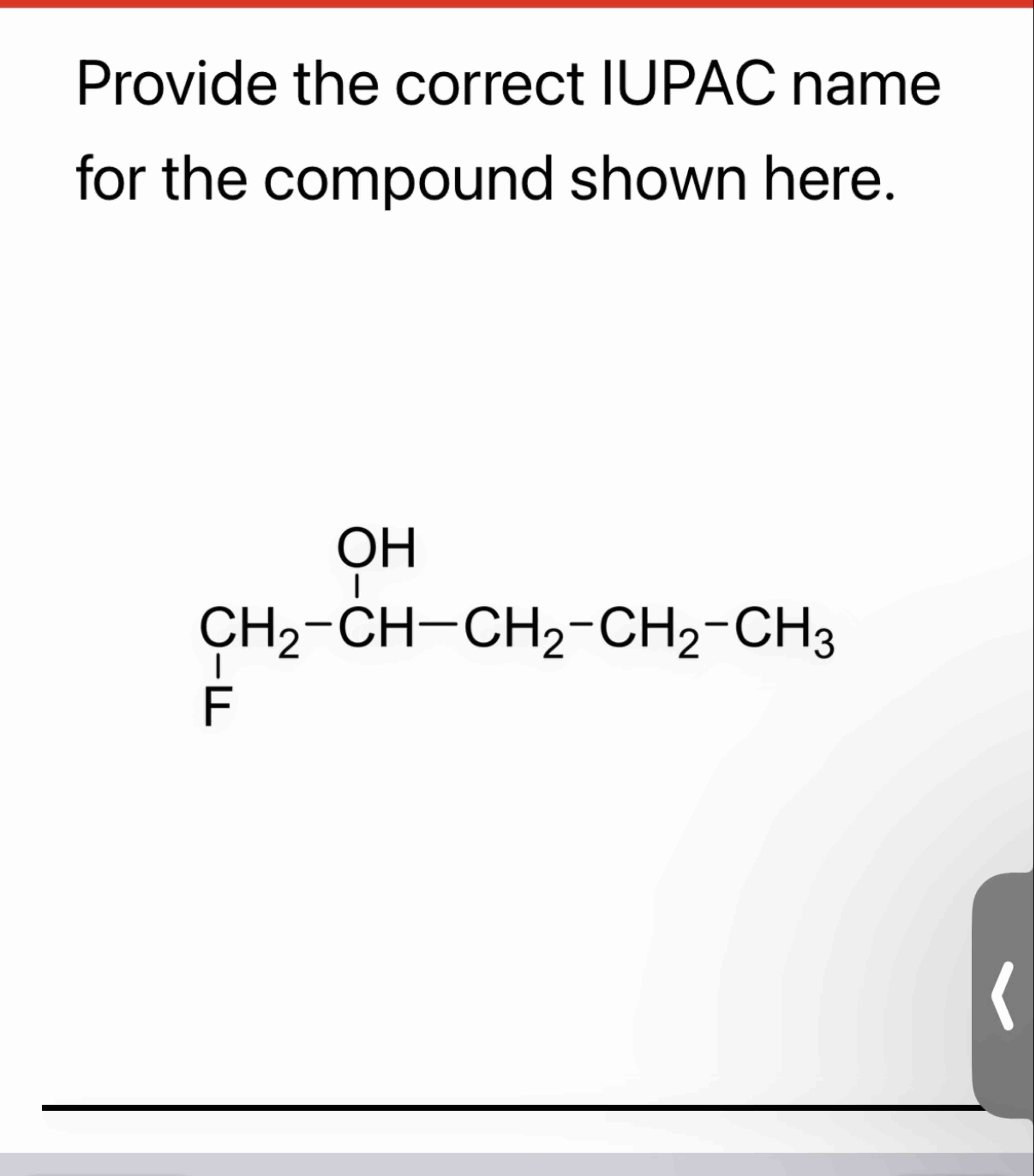
Now, here's where the fun begins. You need to number your carbon conga line. This isn't arbitrary! You want to give your substituents the lowest possible numbers. Think of it like giving them the best seats in the house.
Let’s say you have a methyl group on the second carbon and another on the fourth. Your name starts to sound something like "2,4-dimethyl... something." That "dimethyl" tells us there are two methyl groups.
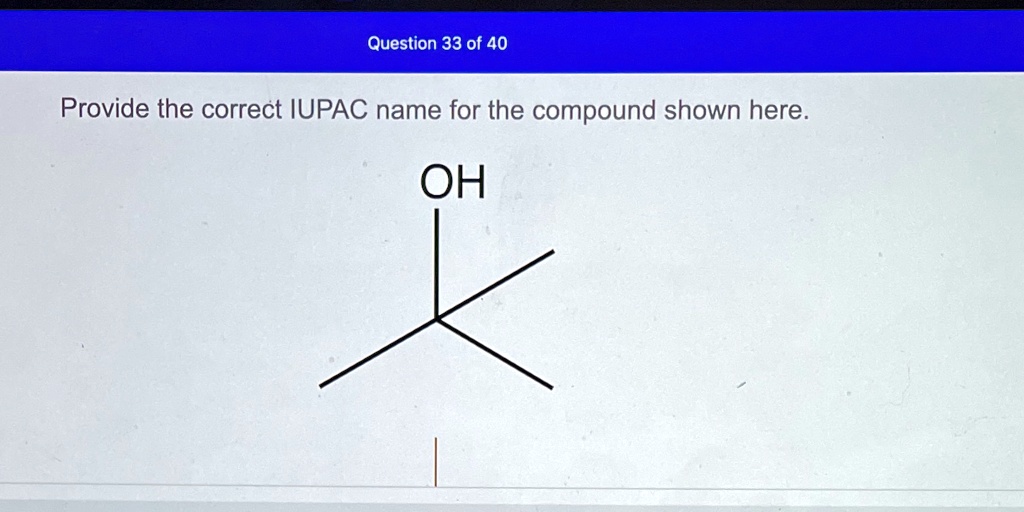
Finally, you put it all together! You alphabetize your substituents (ethyl before methyl), add the parent chain name, and voila! You've got your IUPAC name. It might sound long and intimidating, but it's just a descriptive recipe for building that molecule.
Why Bother with Such Formalities?
You might be thinking, “Who cares about these long, complicated names? Can’t we just call everything ‘stuff’?” Well, imagine trying to bake a cake with a recipe that just said, "Add some stuff and bake it." You'd end up with a culinary disaster!
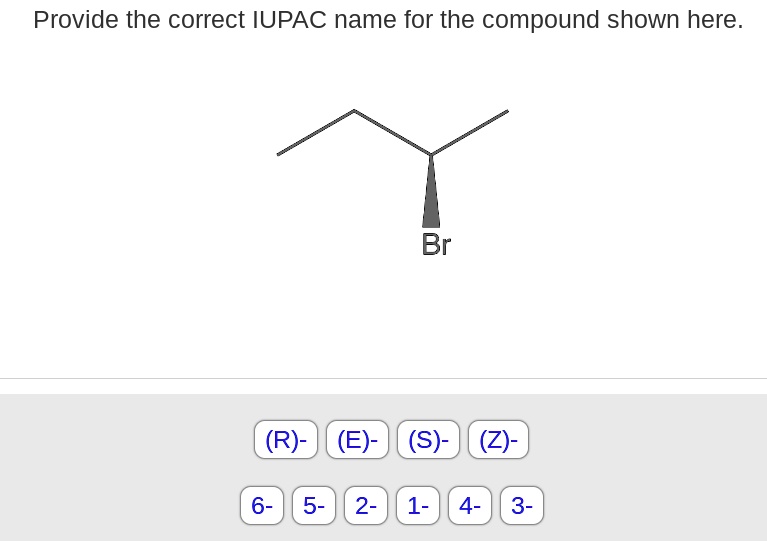
IUPAC nomenclature is all about precision. It ensures that everyone is on the same page, whether they're synthesizing a new drug, creating a stronger plastic, or just trying to understand a textbook. A single misplaced number or substituent can mean the difference between a life-saving medicine and a toxic substance.
Think of it like learning a new language. At first, it seems daunting, full of strange sounds and unfamiliar rules. But once you start to understand the grammar and vocabulary, a whole new world opens up. You can communicate with people you never could before, and you can appreciate the nuances of different cultures. Similarly, understanding IUPAC naming opens up the world of chemistry.
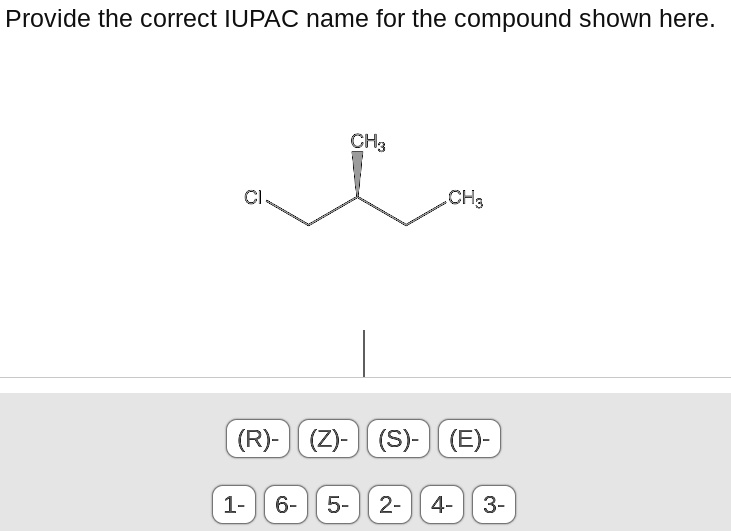
So next time you see a crazy-looking chemical structure, don't be intimidated. Embrace the challenge! It's like solving a puzzle, or deciphering a secret code. And when you finally crack it and come up with the right IUPAC name, you'll feel a surge of accomplishment. You've officially named a molecule! Now, go forth and conquer the molecular masquerade ball. You've got the name tag know-how to impress everyone!
And remember, even the most seasoned chemists sometimes scratch their heads over particularly convoluted structures. It's all part of the fun!
The beauty of chemistry lies not just in the reactions, but in the language that describes them.