
Plug In Carbon Monoxide Detector Chirping

Alright, gather 'round, folks, because we need to talk about one of life's most persistent, infuriating, and yet ultimately crucial little mysteries: the carbon monoxide detector chirp. You know the one. It starts subtly, a single, meek little peep, usually when you're deeply engrossed in something important, like trying to remember if you left the oven on or just finished binge-watching a particularly suspenseful show. Then it stops. You shrug. False alarm, right?
Oh, honey, no. That was just the opening act. The prelude to a symphony of annoyance that will inevitably escalate into a full-blown assault on your sanity. Soon, it's every 30 seconds. Chirp! Then a minute later. Chirp! It’s like a tiny, passive-aggressive bird has taken up residence inside your wall, mocking your very existence.
The Great Detective Hunt
Your first instinct, naturally, is to become Sherlock Holmes, but with less deerstalker and more disheveled hair. You wander through your home, ears perked like a meerkat, trying to pinpoint the sonic assault. Is it the smoke detector? No, that’s usually a more aggressive, full-blown scream. Is it the doorbell? The fridge? Your neighbour's cat? You check every gadget, every gizmo, every dusty corner, until finally, your eyes land on it:
Must Read
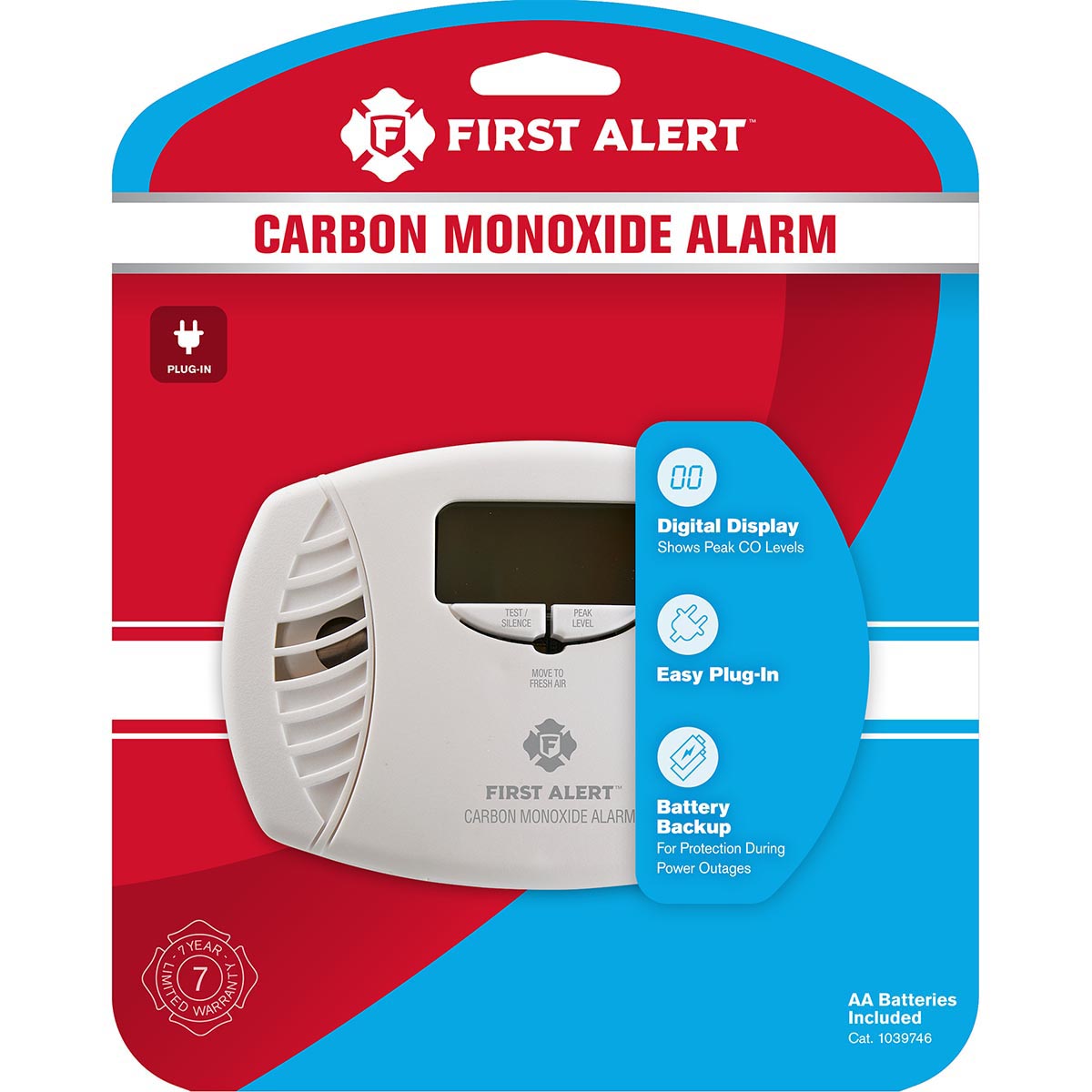
The innocent-looking, often forgotten, plug-in carbon monoxide detector, nestled discreetly near an outlet. And as you stare at it, almost daring it, it lets out another defiant Chirp! Ah, you glorious, exasperating little sentinel!
Why, Oh Why, Do You Chirp?
So, why does this plastic box, designed to save your life, choose to torture you with its intermittent vocalizations? It turns out, there are a few primary culprits, and only one of them is truly terrifying.

1. The Low Battery Whine
This is the most common reason, the Beyoncé of chirps if you will – always performing, always demanding attention. Most plug-in CO detectors have a battery backup, and when that battery starts to run low, it decides to let you know. Not with a polite email. Not with a subtle blinking light. Oh no. It uses the acoustic equivalent of a toddler having a meltdown in a supermarket.
It’s usually a single, quick chirp every 30-60 seconds. The good news? This is an easy fix! A fresh 9V or AA battery (check your specific model, don’t just start jamming random batteries in there like a mad scientist) and you're back to blissful silence. Until, of course, you forget about it for another 18 months.

2. The "I'm Expired!" Meltdown
Now, this is the one that catches people off guard. Did you know your carbon monoxide detector has an expiration date? It’s not like milk, where it smells funny when it’s bad. It just… stops working properly. Most CO detectors have a lifespan of about 5 to 7 years. After this, the sensors inside can become less effective, meaning they might not detect that silent killer as reliably.
And how do they tell you they're ready for retirement? You guessed it! A series of chirps, often more frequent or with a slightly different pattern than the low battery chirp. It’s their way of saying, "Look, I've served my time, I've seen things, I'm ready for the great recycling bin in the sky!" Check the back or side of your unit for a "Replace By" or "Mfg Date." If it's past its prime, it's time for a new one. Don't try to argue with it; it's already made up its mind.

3. The Actual, Honest-to-Goodness Danger Alert
Okay, deep breath. This is the big one. If your CO detector is screaming at you – not just a polite chirp, but a loud, continuous, often pulsed alarm (usually 4 beeps, a pause, 4 beeps) – it means it has detected carbon monoxide. And folks, that's not a drill. Carbon monoxide is an invisible, odorless, tasteless gas that can be deadly. It’s produced by burning fuels, like from furnaces, water heaters, cars, or even fireplaces.
If you hear this serious alarm, do not ignore it. Get everyone out of the house immediately, including pets. Call 911 or your local emergency number from a safe location. Do not go back inside until emergency services have given the all-clear. This is the entire, life-saving reason these little chirpy boxes exist.
4. The Malfunction Mumble
Less common, but still possible, your detector might just be having a bad day. A persistent, non-patterned chirp, or an alarm that won't reset after you've checked the battery and the expiration date, might indicate a fault in the unit itself. Sometimes, extreme temperature changes or even dust can cause a temporary glitch. If you've ruled out low battery and expiration, and there's no actual CO present, it might be time for a replacement.
Silencing the Siren (Safely!)
So, what’s the immediate plan of attack when you hear that incessant chirp? First, resist the urge to throw it out the window. Tempting, I know, but probably not the best long-term strategy for home safety.
- Press the "Test/Reset" Button: Give it a good, firm press. This often silences the chirp temporarily and can sometimes reset minor glitches.
- Check for "Replace By" Date: Is it expired? If yes, unplug it, dispose of it properly, and get a new one.
- Replace the Battery: If it's not expired, chances are it's the battery. Unplug it, swap out the old battery for a fresh one, and plug it back in. Listen for that sweet, sweet silence.
- If it's a Full Alarm: If it's a constant, loud alarm (not just a chirp), assume it's the real deal and follow emergency protocols immediately.
The Unsung Heroes of Home Safety
While they might be the bane of your existence on a quiet Tuesday evening, these little chirping devices are truly unsung heroes. They stand guard, silently, vigilantly, waiting for the one time their annoying sound might actually save your life. So, the next time your plug-in carbon monoxide detector decides to serenade you with its irritating little song, remember: it's not trying to drive you mad (mostly). It's just trying to tell you something important. So listen, take action, and maybe invest in some noise-cancelling headphones for when you're troubleshooting.