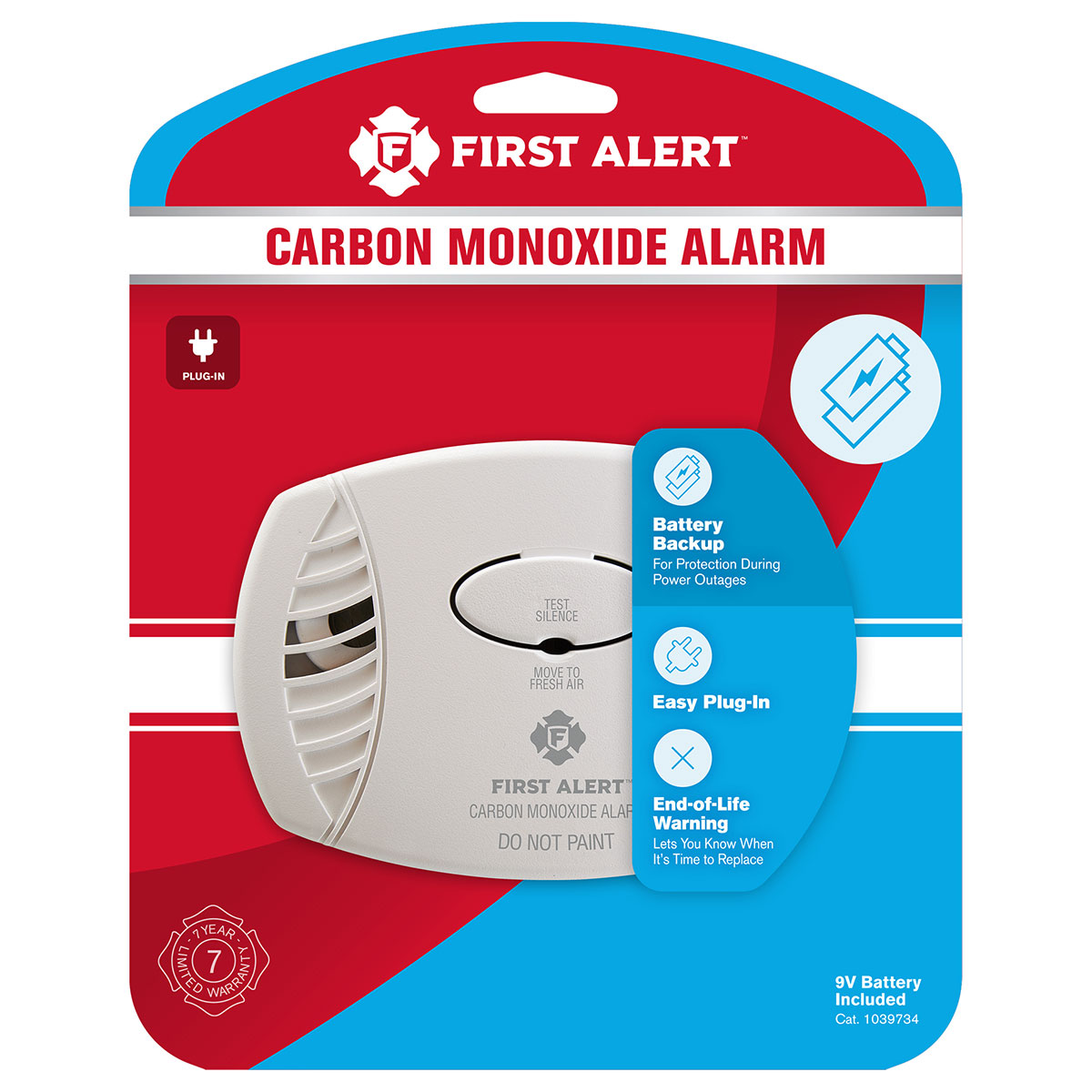
Plug In Carbon Monoxide Alarm With Battery Backup
Okay, so picture this: it’s a freezing winter night, right? Snow’s piling up outside, everything’s cozy inside, maybe a good movie on. You’ve got your favorite blanket, a warm drink, the whole nine yards. Then, bam. Power outage. Complete darkness. My first thought? "Ugh, there goes my Netflix binge and my ability to find the emergency chocolate." My second thought, after fumbling for my phone's flashlight, was to check on the trusty old gas fireplace that was keeping things so wonderfully toasty just moments before.
We've got a carbon monoxide (CO) alarm, obviously, because, well, duh. But then a little voice in the back of my head, probably fueled by residual anxiety from too many true-crime podcasts, whispered: "What if that alarm needs power? What if the batteries are dead because I haven't changed them since... well, let's not dwell on that timeline." You know that instant dread? That 'oh crap' moment when a small, preventable thought suddenly looms large?
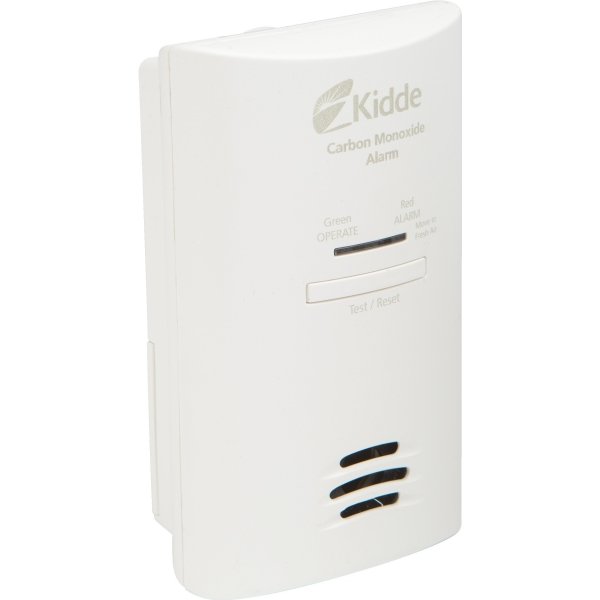
That little flicker of panic, dear reader, is exactly why we need to chat about something super important, and frankly, super ingenious: the Plug In Carbon Monoxide Alarm With Battery Backup. Because life, and electricity, are totally unpredictable, and some dangers don't clock out just because the lights do.
Must Read
Why CO is a Sneaky Villain (and Not the Good Kind)
Before we sing praises to our plug-in hero, let’s quickly recap why CO is such a big deal. It’s often called the "silent killer" for a reason, right? It's odorless, colorless, and tasteless. You can't see it, smell it, or feel it creeping into your home. It usually comes from fuel-burning appliances – your furnace, gas stove, water heater, fireplace, even a generator running too close to the house (don't do that, seriously!).
When you breathe it in, it replaces the oxygen in your blood, and things get really, really bad, really quickly. Headaches, dizziness, nausea, confusion... and then, well, let's just say you don't want to get to the "then." And the scariest part? You might just think you have the flu or are just tired. Super deceptive, this CO stuff.
Enter the Hero: Plug-in with Battery Backup
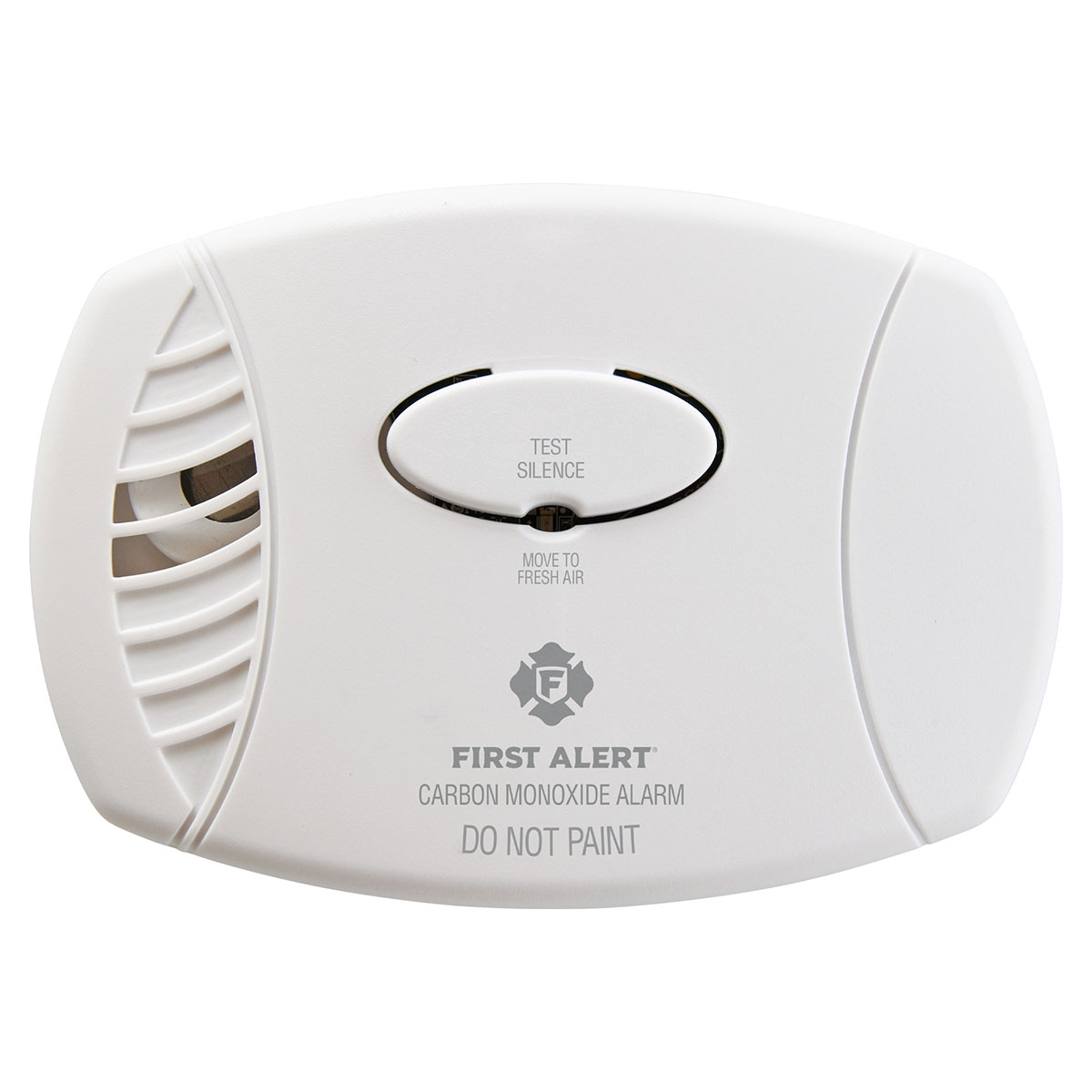
So, you know you need an alarm. But not just any alarm. We're talking about the MVP of CO detection here. The plug-in carbon monoxide alarm with battery backup.
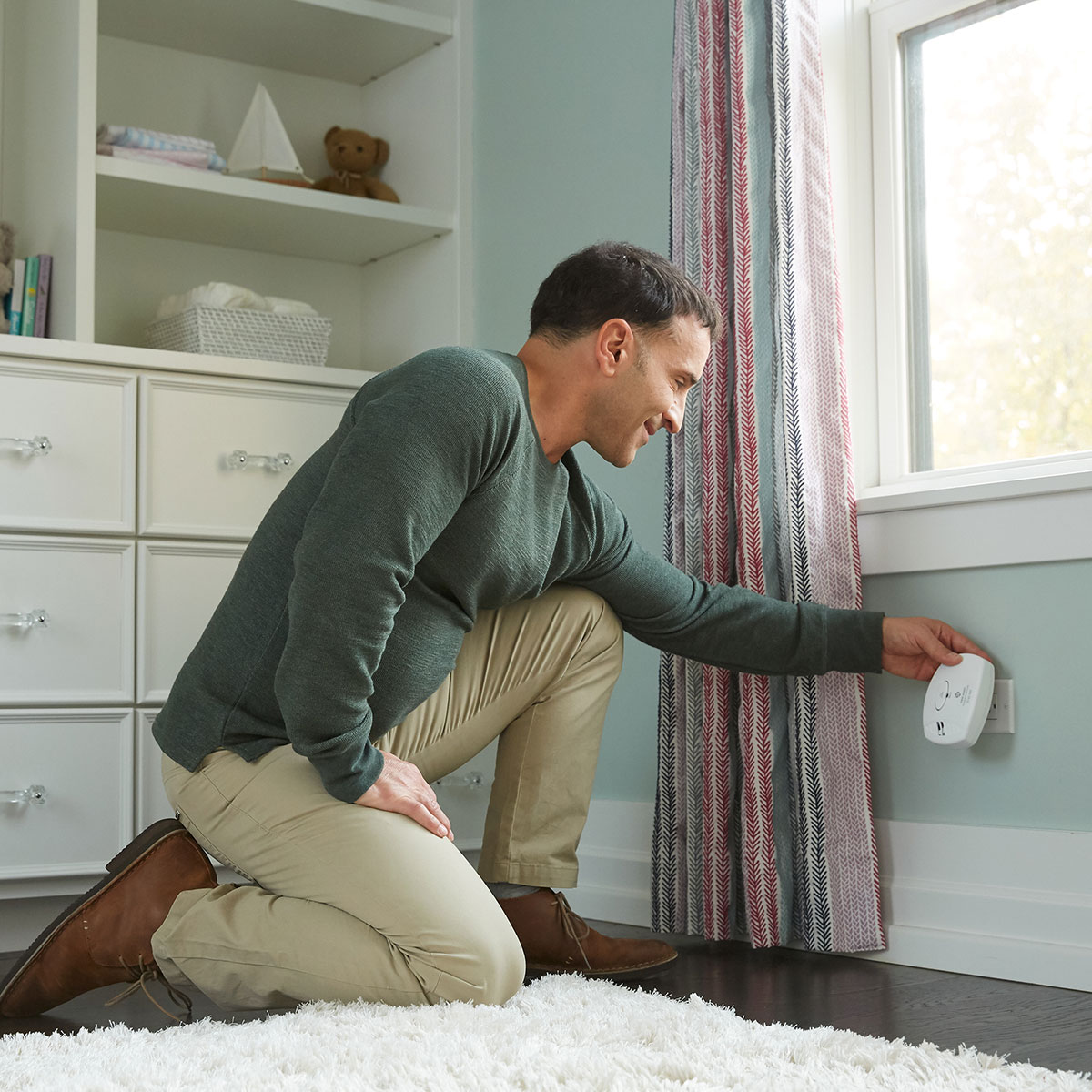
First off, the "plug-in" part is fantastic. No fiddling with mounting brackets and wires if you're not into that DIY life. You just find an outlet (preferably a regular, unswitched one, folks!), plug it in, and boom – you're mostly good to go. It draws power directly from your home's electrical system, meaning its main power source is constantly available. This typically means you're not constantly wondering if the batteries are fresh, which, let's be honest, we all secretly wonder about with purely battery-powered gadgets.
But here's the kicker, the real mic-drop moment, the reason it's the absolute best choice: the BATTERY BACKUP. Remember my power outage anecdote? This is precisely why it matters. When the power goes out, your plugged-in alarm doesn't suddenly go silent, leaving you vulnerable. Nope! The battery backup kicks in instantly, keeping your home protected even when the grid fails. It’s like having a tiny, dedicated superhero ready to jump into action when its primary power source is knocked out.
Think about it: you could be relying on a generator during an extended outage, which, if not properly vented, is a massive CO risk. Or maybe you're using alternative heating sources. The very scenarios that increase CO risk are often the same ones that knock out your power. The battery backup ensures you're never caught off guard. It's truly a no-brainer, isn't it?
Placement & Peace of Mind
So, where do you put these life-savers? Generally, you want one on every level of your home, and crucially, near sleeping areas. CO is heavier than air, but it also mixes with air, so placing them at knee height in bedrooms or hallways nearby is a solid strategy. And if you have a fuel-burning appliance in the basement or garage, definitely pop one down there too. Don't crowd them too close to the appliance itself, though, give it some breathing room (pun intended!).

Most of these alarms have a test button – please use it regularly. And just like smoke alarms, CO alarms don't last forever. They have a lifespan, usually around 5-7 years, after which their sensors aren't as reliable. Look for the manufacturing date on the back and mark it on your calendar. Replacing them before they expire is not just a good idea; it's essential for your family's safety. Consider it an investment in peace of mind.
Your Move, Champ
Look, I know safety stuff isn't always the most exciting topic. But when it comes to something as insidious and dangerous as carbon monoxide, being prepared is just smart. The tiny cost of a plug-in carbon monoxide alarm with battery backup pales in comparison to the immense value of knowing your loved ones are safe, even when the lights go out.
So, take a quick inventory of your home. Do you have enough? Are they the right kind? Are they up to date? It’s one of those things you set up once and hope you never hear it go off, but you'll be eternally grateful it's there if you ever do. Seriously, you'll thank yourself. Go on, add it to your cart. You deserve that extra layer of cozy, worry-free nights.