
Physical Signs Of Gas Leak

Ever thought about what’s flowing through those pipes behind your walls? It’s often natural gas – super useful, but a bit sneaky. Naturally, it’s colorless and odorless, totally invisible! But don’t worry, gas companies are smart. They add a special scent to natural gas, making leaks easier to spot. Plus, there are other physical signs that can tip you off. Knowing these simple clues can truly boost your safety and peace of mind. Let’s explore the detective work you can do around your home!
The Nose Knows: That Funny Smell
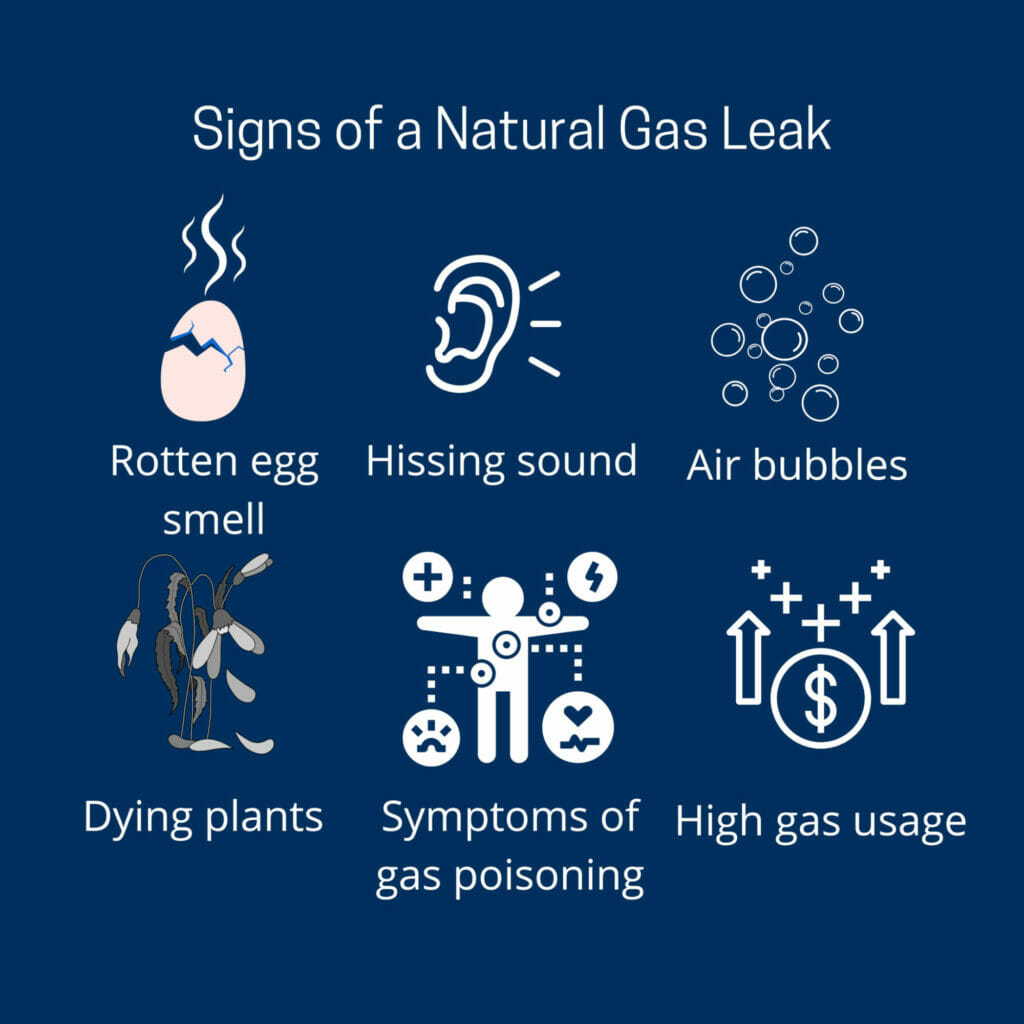
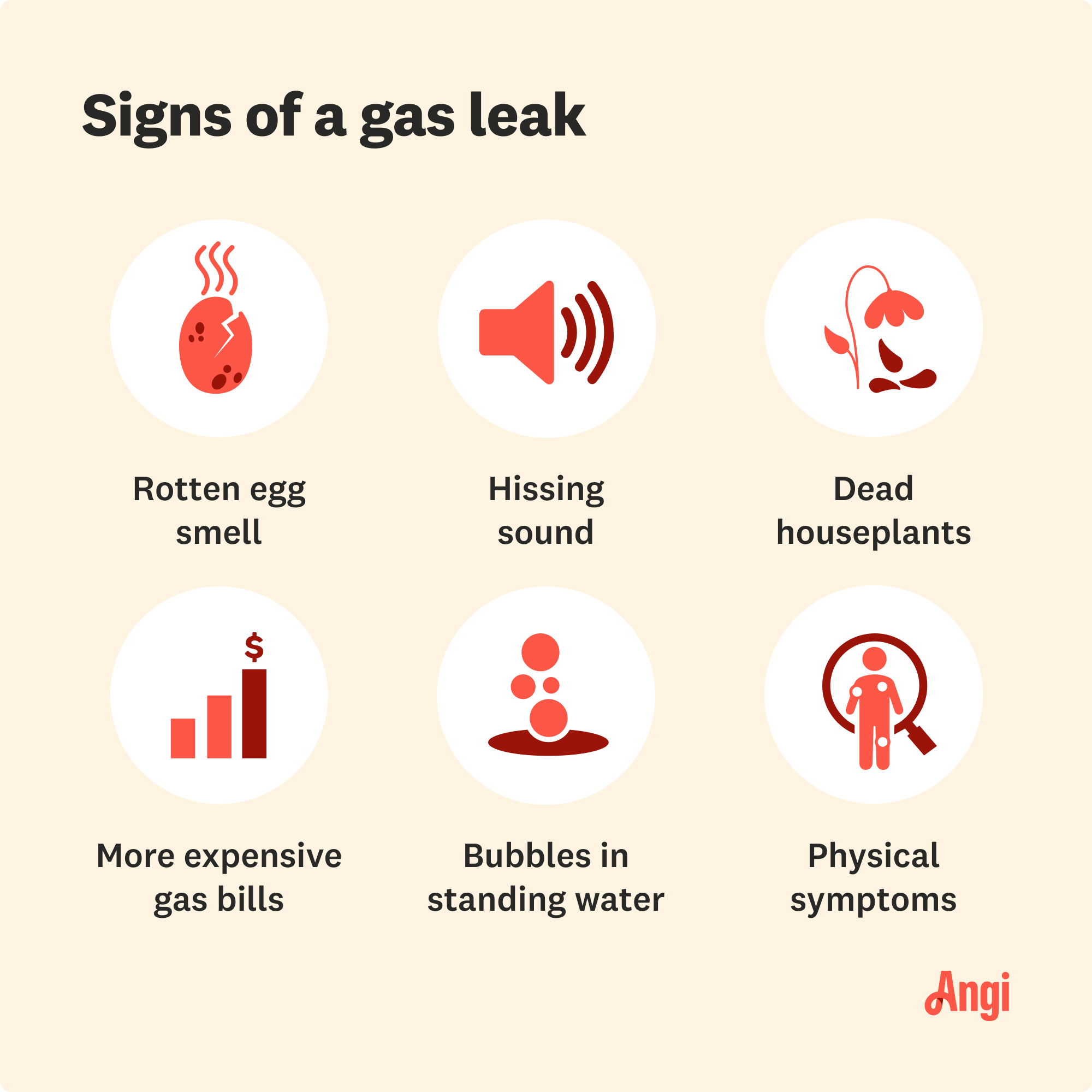
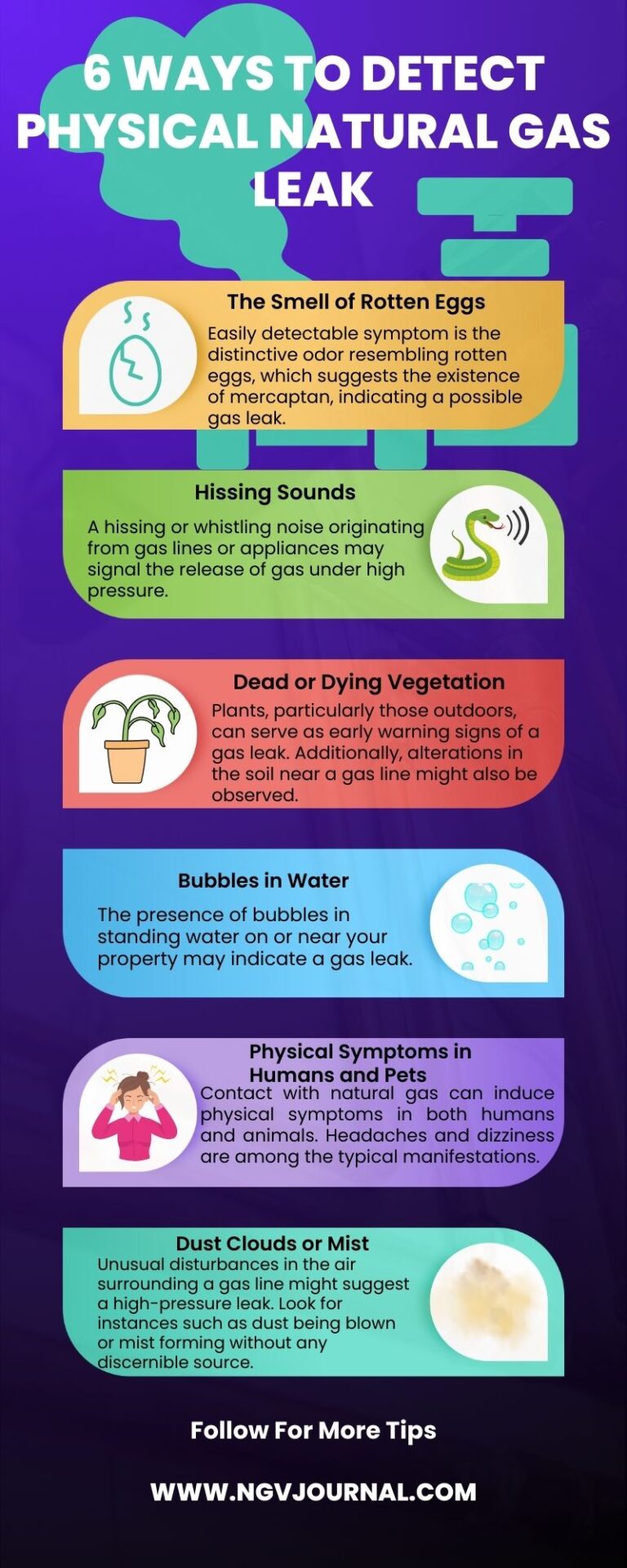
Let’s start with the most famous sign: the smell! If you suddenly catch a whiff of something like rotten eggs, spoiled cabbage, or sulfur, your nose is telling you something crucial. That distinctive smell isn't the gas itself, but a harmless chemical called mercaptan added to natural gas. It's your built-in alarm system!
Never ignore a gas smell. It's the most direct warning sign you'll get.
Even a faint smell should grab your attention. It might be stronger near an appliance like your stove or furnace. Perhaps you just opened a window, and the outside air brought it in. Wherever it is, trust your gut and your nose. It’s always better to be safe than sorry when it comes to this particular aroma.
Your Eyes On The Prize: Visual Clues
Beyond smell, your eyes are fantastic tools for spotting a gas leak. Signs can be subtle or obvious. You just need to know what to look for!
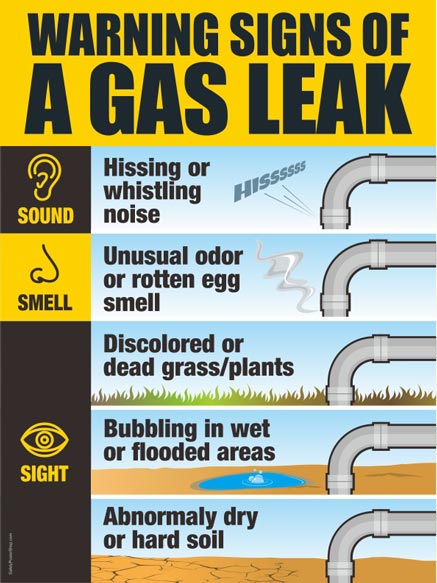
First, check your plants. Are those near an outdoor gas meter or line looking a bit… sad? Unexplained dead or dying vegetation, especially in patches, is a major red flag. Escaping gas starves plants of oxygen. This applies indoors too; plants near a gas appliance might wilt for no clear reason.
Next, look for curious dirt or dust. If you see dirt, dust, or even water blowing into the air near a gas line, that's not normal. Escaping gas can kick up small particles. Also, persistent bubbles in wet or flooded areas over a gas line indicate gas making its escape.
Lastly, quickly check your gas appliances and pipes. Look for visible damage like dents, cracks, corrosion, or unusual rust. A bent or stressed pipe, or a loose connection, could be a trouble spot. These physical signs might directly point to a problem.
Listen Up: Auditory Hints
Sometimes, a gas leak doesn’t just show itself visually or through smell; it can also make a sound. It’s like the gas itself is trying to tell you, "I’m getting out of here!"
The most common auditory sign is a hissing or whistling sound. This typically comes from a damaged pipe or a faulty connection where gas actively escapes under pressure. It could be a soft whisper or quite noticeable, depending on the leak's size. If you hear any unusual sounds that don't belong, especially near gas appliances or utility lines, it’s definitely worth investigating. Your ears are a crucial part of your gas leak detection toolkit.
When You Spot a Leak: Act Fast!
Okay, you’ve been a fantastic detective and now suspect a gas leak. What next? This part is super important.
Your immediate safety is the absolute priority. Do not delay!
First, if you think you’ve found a leak, leave the area immediately. Get everyone, including pets, out of the house. Don't linger. Once outside and a safe distance away, call your local emergency number (like 911) or your gas company's emergency line. Call from a neighbor's phone or your mobile phone once safely away from the building.
Here’s what you absolutely should not do: don't turn light switches on or off, don't use electrical appliances, don't light matches or candles, and don't try to fix the leak yourself. Even a tiny spark can ignite escaped gas. Leave it to the pros.
So there you have it! Natural gas might be invisible, but it leaves plenty of physical clues if it's escaping. From the unmistakable smell of rotten eggs to visual cues like sad plants and bubbling water, and even that tell-tale hiss, your senses are your best allies. Being aware of these signs isn't just good knowledge; it's vital for keeping yourself and your loved ones safe.
Stay observant and trust your instincts. A quick check and an immediate response if something feels off can make all the difference. Your home should be a safe haven, and knowing these simple physical signs helps keep it that way. Be a safety superhero!