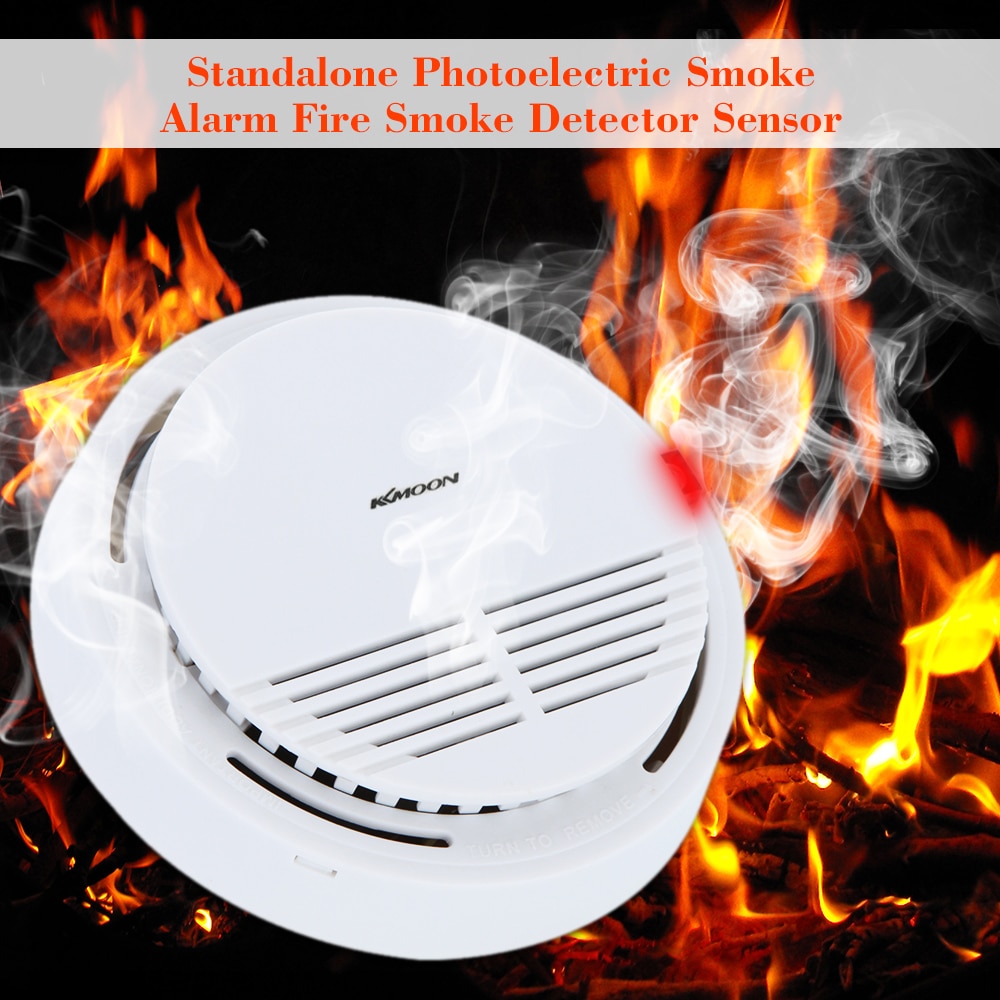
Photoelectric Smoke Detector For Kitchen

Okay, let's set the scene: It’s a lazy Saturday morning. You’re feeling ambitious, maybe tackling a new recipe, or perhaps just trying to get that bagel just right in the toaster. You turn your back for one second, maybe to grab a coffee, and suddenly… BEEEEEEEEEP! BEEEEEEEEEEP!
Your smoke detector, perched innocently on the ceiling, decides it’s time for its grand opera debut. You're flapping a towel like a frantic bird, the dog is barking, and your significant other is glaring at you from the living room. All because of a little bit of over-enthusiastic toasting or a pan that got a tad too hot. Sound familiar? Yeah, you’re not alone. We’ve all been there, haven't we?
That ear-splitting shriek, often from a traditional ionization smoke detector, is designed to catch invisible particles from fast-flaming fires. Great for some scenarios, sure. But in the kitchen, where steam from pasta, a smoky sear on a steak, or even just opening the oven door after baking can trigger a full-blown emergency, it often feels more like a tattletale than a lifesaver. It’s like having a bouncer at a chill house party who ejects people for breathing too loudly.
Must Read
Wait, There's a Better Way? Enter the Photoelectric Smoke Detector!
So, what’s a savvy home chef like yourself to do? Tear out all your smoke detectors? Probably not the best idea for, you know, safety. But what if I told you there’s a superhero for your kitchen that understands the nuances of culinary chaos? A detector that’s less likely to scream bloody murder over a slightly burnt cookie?
Say hello to the photoelectric smoke detector. Unlike its more sensitive, particle-sniffing cousin, the photoelectric type works by using a chamber with a light source and a sensor. When visible smoke enters this chamber, it scatters the light, which then hits the sensor and triggers the alarm. Think of it like a tiny, vigilant lighthouse keeper that only gets agitated when it actually sees something.
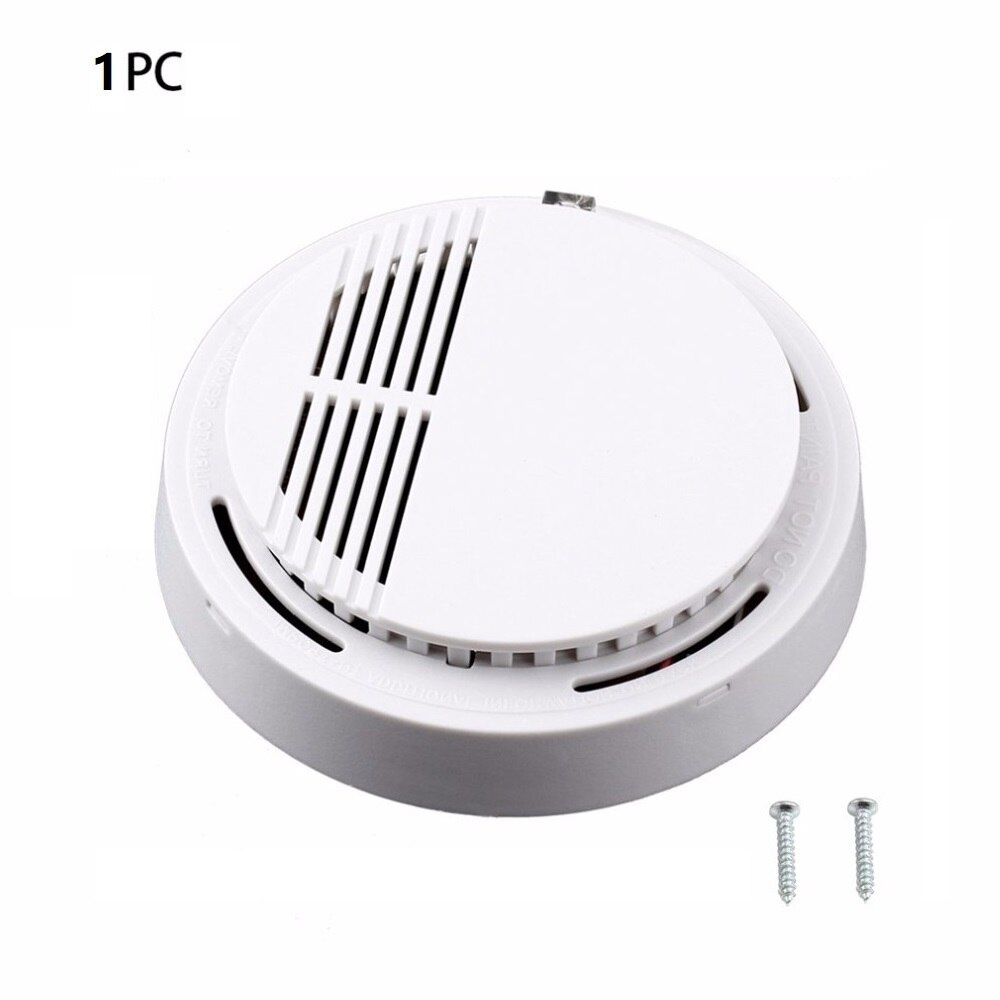
It's all about what they "see." Ionization detectors react to invisible combustion particles – the kind produced by very fast, hot, clean-burning fires (think paper burning). Photoelectric detectors, however, are experts at detecting visible particles – the larger, often darker, smoke particles typically associated with smoldering fires, like an overloaded electrical outlet, a cushion slowly catching fire, or, you guessed it, that forgotten pot on the stove or a grease fire.
Why Your Kitchen Needs This Kind of Brains (and Brawn)
Here’s why the photoelectric detector is your kitchen’s new best friend: Kitchen fires often start small and smolder, producing a lot of visible smoke before bursting into full flame. Imagine a forgotten pot of oil, an electrical short in an appliance, or food left in the oven a little too long. These scenarios typically generate plenty of dense, visible smoke long before they become a raging inferno.
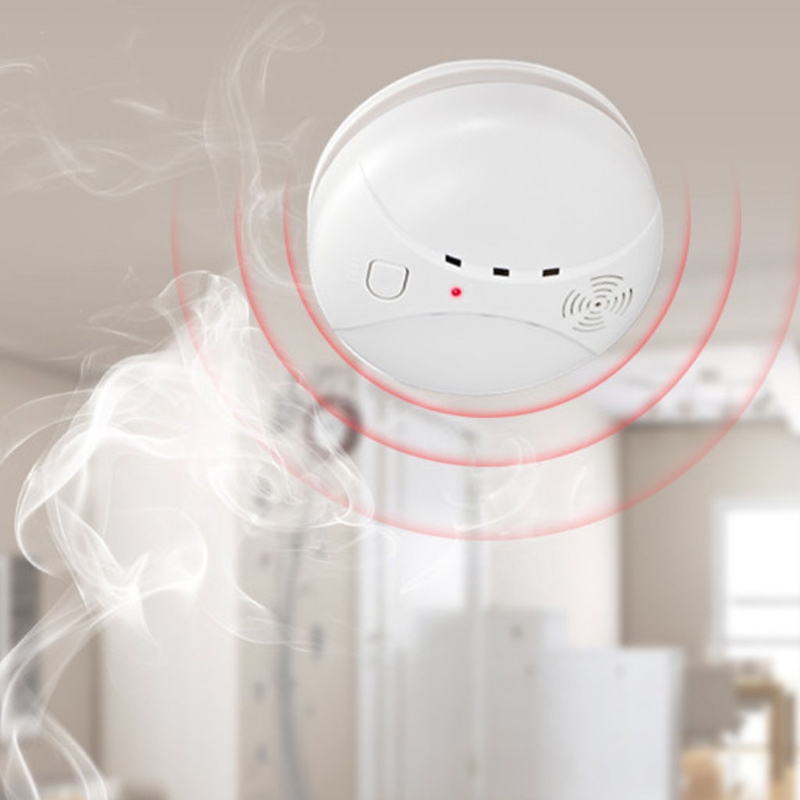
A photoelectric detector is much more adept at catching these slower, smoldering fires in their early stages, giving you precious extra minutes to react. And here’s the kicker for us home cooks: they are significantly less prone to nuisance alarms from everyday cooking activities. Steam from boiling water, the harmless smoke from searing a steak, or even your beloved but occasionally smoky toaster are far less likely to set them off.
So, you get genuine protection against the most common types of kitchen fires, without having to air out your entire house every time you decide to make bacon. Your ears (and your sanity) will thank you, trust me.
Where to Put It, and How to Keep It Happy
Okay, so you're convinced. You want this kitchen superhero. But where does it go? The general advice is to install smoke alarms at least 10 feet (3 meters) away from cooking appliances to minimize false alarms. Don't put it right above the stove or directly in the path of the oven vent. A good spot might be on the ceiling or high on a wall near the kitchen entrance, or in an adjacent hallway if your kitchen is open-plan.
And remember, even your smart, kitchen-friendly photoelectric detector needs a little love. Test it monthly by pressing the test button. Change the batteries annually (or follow manufacturer instructions for sealed 10-year battery units). And give it a gentle vacuum or wipe down periodically to keep dust from messing with its light-sensing magic.
So next time you're planning a culinary adventure, consider upgrading your kitchen's watchful guardian. Investing in a photoelectric smoke detector isn't just about avoiding those annoying false alarms; it's about getting the right kind of protection for the heart of your home. Because let's face it, the only drama you want in the kitchen is about whether your soufflé rises, not whether the fire department is on its way!