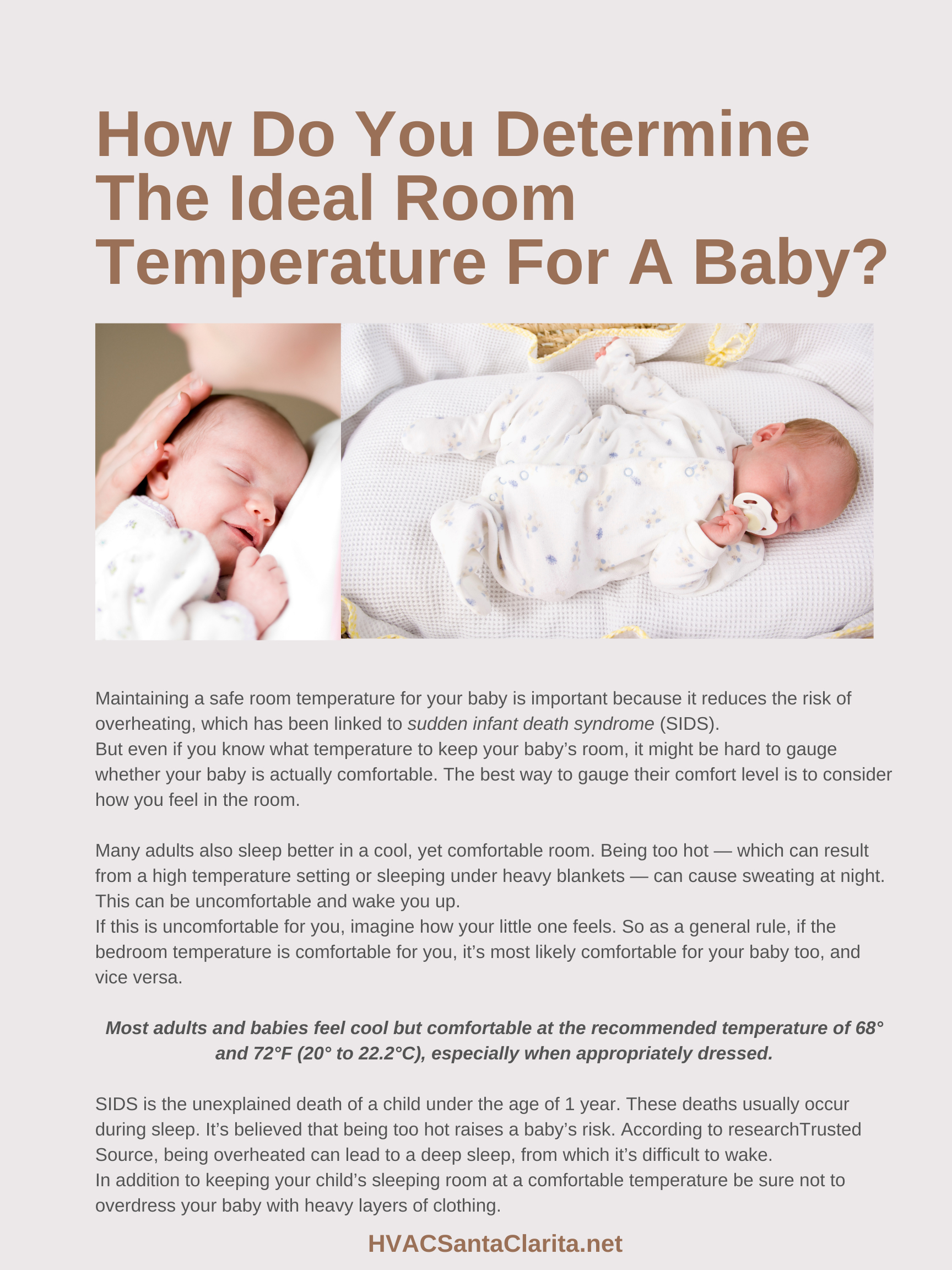
Perfect Room Temperature For Newborn
There's a universal comfort we all chase, isn't there? That moment you step into a room and it just feels... right. Not too hot, not too cold, but perfectly balanced, like a gentle hug. It's the bliss of slipping into bed with crisp sheets on a summer night or snuggling under a plush throw when the winter winds howl. This isn't just about our personal enjoyment; it’s a fundamental aspect of creating a sanctuary, especially for the tiniest, most precious members of our family: newborns. For new parents, the quest for the perfect room temperature becomes a subtle, yet crucial, dance – a continuous effort to wrap their little one in invisible warmth, or coolness, just right.
The purpose behind this seemingly simple act of temperature control is profound. Newborns are incredible, but their bodies are still learning the ropes, especially when it comes to thermoregulation. Unlike us, they can't simply adjust their clothing or hop under a duvet to warm up, nor can they effectively shiver or sweat to cool down. Their delicate systems make them susceptible to both overheating and chilling, both of which can impact their health and well-being. A comfortable room temperature helps babies conserve energy, promotes better sleep (which, let's be honest, is a gift to everyone in the house!), and reduces the risk factors associated with temperature extremes, like SIDS. It's about providing a stable, optimal environment where they can thrive, feed well, and develop without the added stress of constantly battling their surroundings.
So, how do devoted parents apply this theory in their day-to-day lives? From the moment baby arrives, the nursery thermostat becomes a focal point. In the sweltering heat of summer, parents might rely on air conditioning or fans (never pointed directly at the baby!) to keep things breezy. Come winter, the heating system works overtime, perhaps supplemented by a small space heater in the nursery, always safely placed. Many parents also diligently check the room's temperature with a thermometer to ensure it falls within that elusive Goldilocks zone. It’s a constant, often unconscious, monitoring – from deciding whether a onesie is enough or if a sleep sack is also needed, to gauging the ambient feel of the room before bedtime.
Must Read
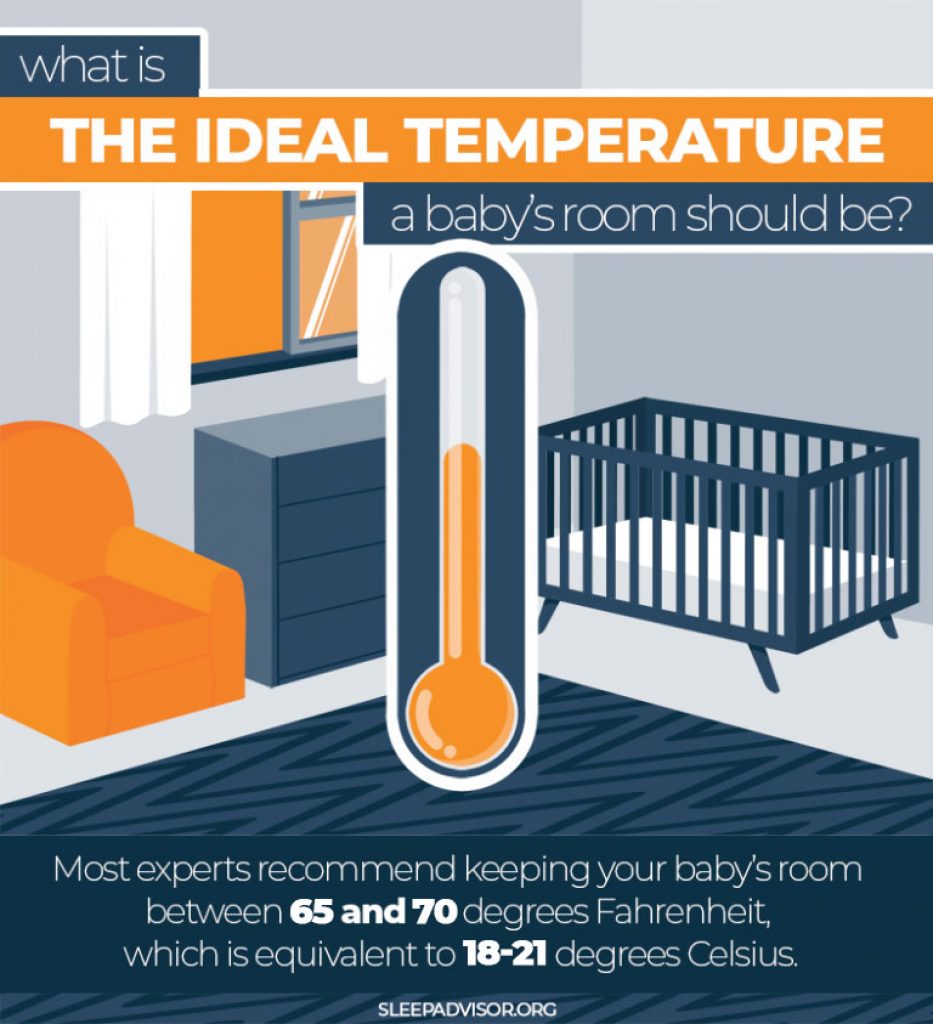
Now for the practical tips to master this delicate art and truly "enjoy" the peace of mind it brings. The widely recommended sweet spot for a newborn's room is between 68-72°F (20-22°C). Forget the myth about cold hands and feet – those are often cooler due to immature circulation. Instead, to truly know if your baby is comfortable, gently check their neck or chest; it should feel warm and dry, not sweaty or clammy, and definitely not cold. Remember the power of layering! Dress your baby in one more layer than you are comfortably wearing. If you're in a t-shirt, they might need a onesie and a light sleep sack. Speaking of sleep sacks, they are fantastic for keeping babies warm without loose blankets, which can be a SIDS risk. Avoid placing the crib directly next to a window (drafts!) or a heat vent. Lastly, trust your instincts but verify with a room thermometer. With a little attention, you’ll soon become a pro at creating the perfect snug haven for your little one, making every moment of their precious early days as comfortable and secure as possible.