Pct Arimidex Clomid And Nolva Amounts

Let's talk post-cycle therapy, or PCT as it's often called! Now, before you click away thinking this is some super-technical, overly complicated subject, hear me out. Think of PCT as a recovery plan after a tough workout, but instead of muscles, we're talking about your body's hormonal balance. It's all about gently nudging things back to normal after certain situations. While this information is NOT a substitute for medical advice, and you should always consult a doctor before taking any medications, understanding the basics of PCT with substances like Arimidex, Clomid, and Nolva can be surprisingly useful, even if you're just curious about how hormones work.
So, who benefits from knowing about this? Well, for beginners, understanding the concept of PCT is important. It's about understanding how substances can affect your body and the importance of bringing things back to equilibrium. It’s about understanding cause and effect on a hormonal level. For those who are more involved in activities where hormonal manipulation might be considered (we're talking bodybuilding here, for example, and again, always consult a medical professional), knowing about Arimidex, Clomid, and Nolva is crucial. They are often used to help restore natural testosterone production and manage estrogen levels post-cycle. Even if you're not directly involved, think of it like understanding basic car maintenance – even if you don't fix your car yourself, knowing what's going on under the hood is empowering.
Let's break down these substances a little. Clomid (clomiphene citrate) and Nolva (tamoxifen citrate) are SERMs, or selective estrogen receptor modulators. They essentially trick your body into thinking it doesn't have enough estrogen, which then stimulates the production of testosterone. Arimidex (anastrozole), on the other hand, is an aromatase inhibitor. It works by reducing the amount of estrogen your body produces. The "amounts" or dosages of each of these vary widely depending on the specific situation, the person involved, and the compounds used during the cycle. There's no one-size-fits-all answer, which is why medical supervision is paramount.
Must Read
There are variations too! Some people might use only Clomid, some only Nolva, and others a combination of all three, sometimes alongside other supporting supplements. Some protocols might include HCG (human chorionic gonadotropin) earlier in the recovery process. Again, the specific protocol is highly individualized. Think of it like choosing the right ingredients for a recipe – what works for one person might not work for another.
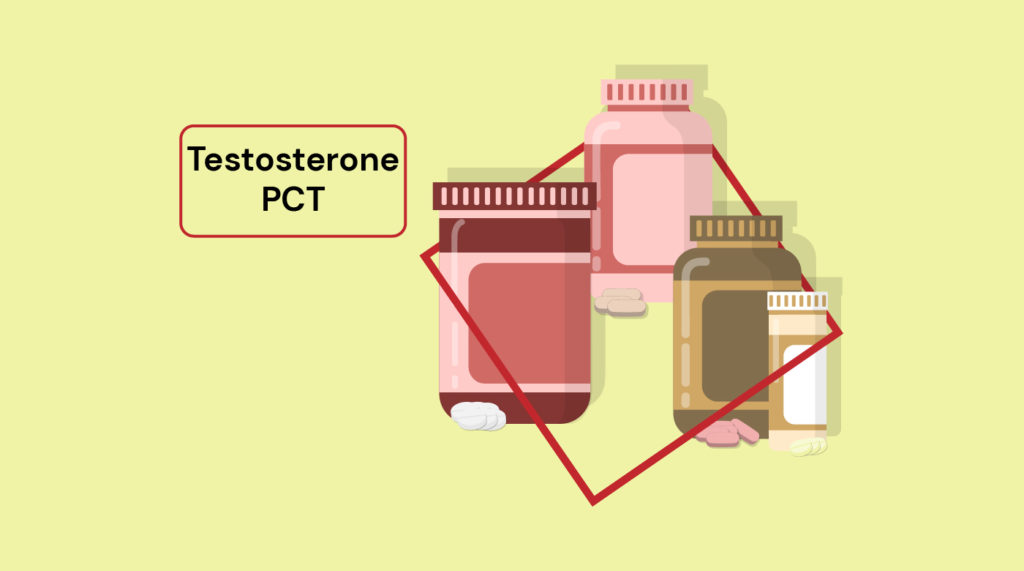
So, how do you get started understanding this better? First, research reputable sources. Steer clear of bro-science and focus on information from medical professionals and scientific studies (PubMed is your friend!). Second, and I can't stress this enough, talk to a doctor. Don't even think about self-medicating or experimenting with these substances without proper medical guidance. Finally, approach it with a healthy dose of skepticism and critical thinking. Not everything you read online is accurate, so be discerning about where you get your information.
Ultimately, understanding PCT isn't about becoming an expert overnight. It’s about gaining a basic understanding of how your body works and the potential consequences of manipulating your hormones. Even if you never need to use this knowledge directly, it can give you a greater appreciation for the delicate balance within your body and the importance of making informed decisions about your health. It's about empowering yourself with knowledge and understanding the potential impact on your hormonal system. Remember, responsible research and professional medical guidance are key!