
One Barrel Of Crude Oil Is How Many Gallons
Have you ever heard the term "barrel of crude oil" and pictured a big, rustic wooden barrel? It’s a common image, one that feels straight out of an old movie. This iconic phrase conjures up notions of vast energy reserves and global trade.
But what exactly does that famous barrel represent in today's world? It's not just a quaint historical term. This single measurement is a crucial benchmark for global energy markets, influencing everything from fuel prices to international relations.
It helps us understand the vast quantities of oil that power our modern lives. From the ground beneath our feet to the sophisticated machines around us, the journey of crude oil is truly remarkable.
Must Read
The Mystery of the Barrel
Imagine this: deep underground, nature has cooked up a thick, dark liquid over millions of years. This is crude oil, the raw ingredient for so much we use every day. It’s a powerhouse of potential energy.
From this mysterious goo, we get gasoline for our cars, fuel for airplanes, and even plastics that form countless items. This black gold fuels economies and enables modern conveniences we often take for granted.
But how do we measure something so vital, yet so hidden and global? For centuries, people have needed a standard unit. Enter the barrel, a term shrouded in history and a little bit of intrigue, a placeholder for an immense value.
You might think a "barrel" today means an actual, physical barrel full of oil. While that was true in days gone by, today it's mostly a unit of measurement. It’s like how a "ton" can refer to a specific weight, not necessarily a giant, physical tun.
This unit allows everyone, from producers in Texas to traders in London, to speak the same language. It brings order to a commodity that flows across continents and oceans.
Unlocking the Barrel's Secret
So, we're talking about a unit, a specific volume. But what is that volume? Is it a nice, round number like 50 gallons? Or perhaps a neat 100 liters, perfectly aligned with the metric system? Not quite! The answer is a little quirky, and that's part of its charm.

It's a number that feels both precise and delightfully out of step with our modern, metric world. This specific measurement has a fascinating origin story, rooted in the early, wild days of the oil industry.
Picture the nascent oil boom of the 1800s in Pennsylvania. Oil was gushing from the ground, and people needed a way to transport it. They used whatever containers were handy, often repurposed whiskey or wine barrels.
"A standard was needed, and quickly, to bring order to the chaos of a burgeoning industry."
These early barrels weren't all the same size, causing no end of confusion and disputes. Imagine buying oil and not knowing exactly how much you were getting! It was a real challenge for fair trade.
Merchants and producers cried out for consistency, for a universal measure everyone could trust. This wasn't just about convenience; it was about building a reliable market.
Eventually, a common understanding emerged. After some negotiation and practical experience on the ground, a specific volume became the accepted standard. And this is where our fun, specific number comes into play, a number with a rich, human story.
The Big Reveal: A Barrel's True Size!
Get ready for it. The number that defines one barrel of crude oil is… 42 gallons! Yes, you read that right. Not 40, not 50, but a very specific and rather charming 42 gallons.

Isn't that just a little bit whimsical? It's a number that makes you pause and smile, inviting curiosity. It’s not an even, easy-to-remember power of ten; it feels like a secret handshake among those in the know. It's unique, and that's what makes it special.
This 42-gallon standard was formally adopted by producers in Pennsylvania in the 1860s. It was a consensus driven by necessity and practicality. It stuck, becoming the universally recognized measure for crude oil worldwide, from the deepest wells to the busiest trading floors.
Why 42? The Entertaining History
Why 42 gallons? The history is quite amusing and steeped in clever business practices. In those early days, oil was often shipped in repurposed whiskey barrels, which were plentiful and sturdy. A standard whiskey barrel, you see, held about 40 gallons.
However, clever oil producers quickly realized something important. To account for spills, evaporation during transit, or slight inaccuracies in measurement, they started to add a little extra. It was a buffer, a margin of error built right in.
This meant buyers received a guaranteed 40 gallons, even after minor losses. The extra couple of gallons acted as insurance, ensuring customer satisfaction and smooth transactions.
"This extra wiggle room became standard practice, solidifying the 42-gallon barrel as the industry's benchmark."
It was a practical solution born out of necessity and a touch of shrewd business sense. This historical tidbit makes the number feel less arbitrary and more human, more a product of its bustling, pioneering time.
So, every time you hear about oil prices, global reserves, or energy policy, remember that specific, slightly odd number. It carries with it the echoes of those bustling 19th-century oil fields and the smart thinking that shaped an industry.
What Happens to Those 42 Gallons?
Now that we know the magic number, let's think about its incredible journey. Those 42 gallons of crude oil are not just sitting in a barrel somewhere. They embark on an amazing, high-tech transformation.
Once extracted from deep within the Earth, this crude oil travels to massive, complex refineries. Here, through intricate heating and separation processes, it's broken down into many different, valuable products. It's like a magical factory turning one raw material into dozens of useful items we rely on daily.
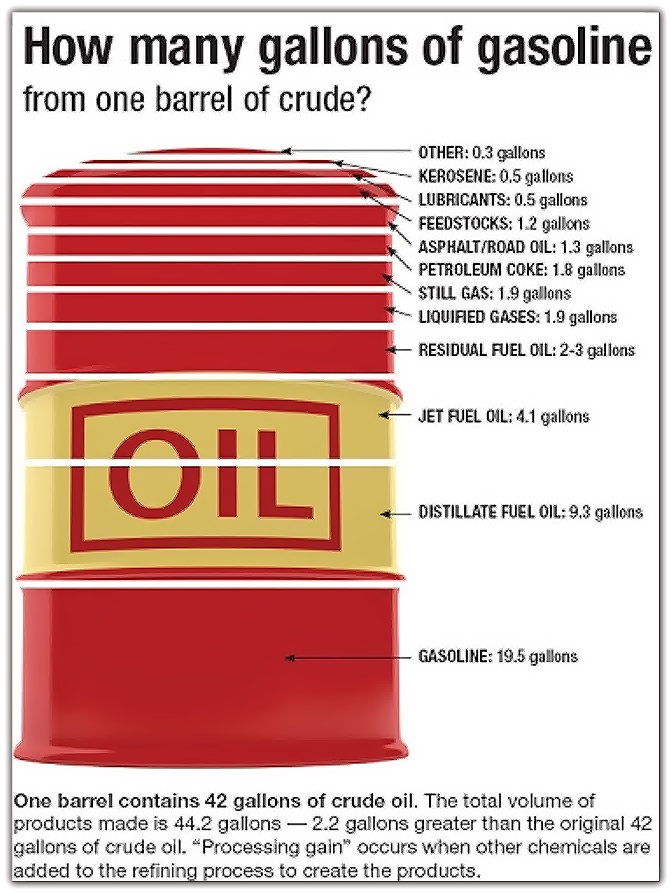
From a single 42-gallon barrel, you get about 19-20 gallons of gasoline. That's nearly half the barrel! So, a good chunk of that original 42 gallons ends up powering our cars, taking us to work, school, and adventures.
But there's so much more! You'll also find around 10-12 gallons of diesel fuel from that same barrel. This crucial fuel powers trucks, buses, and trains, keeping goods moving, supply chains robust, and people connected across vast distances.
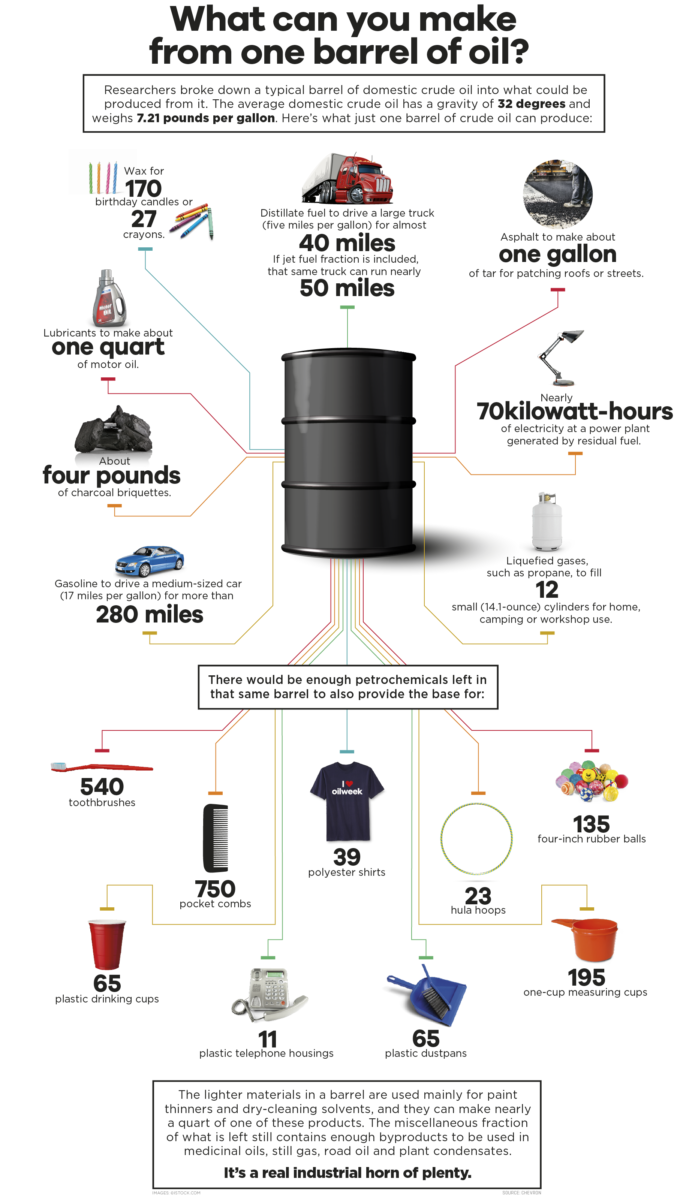
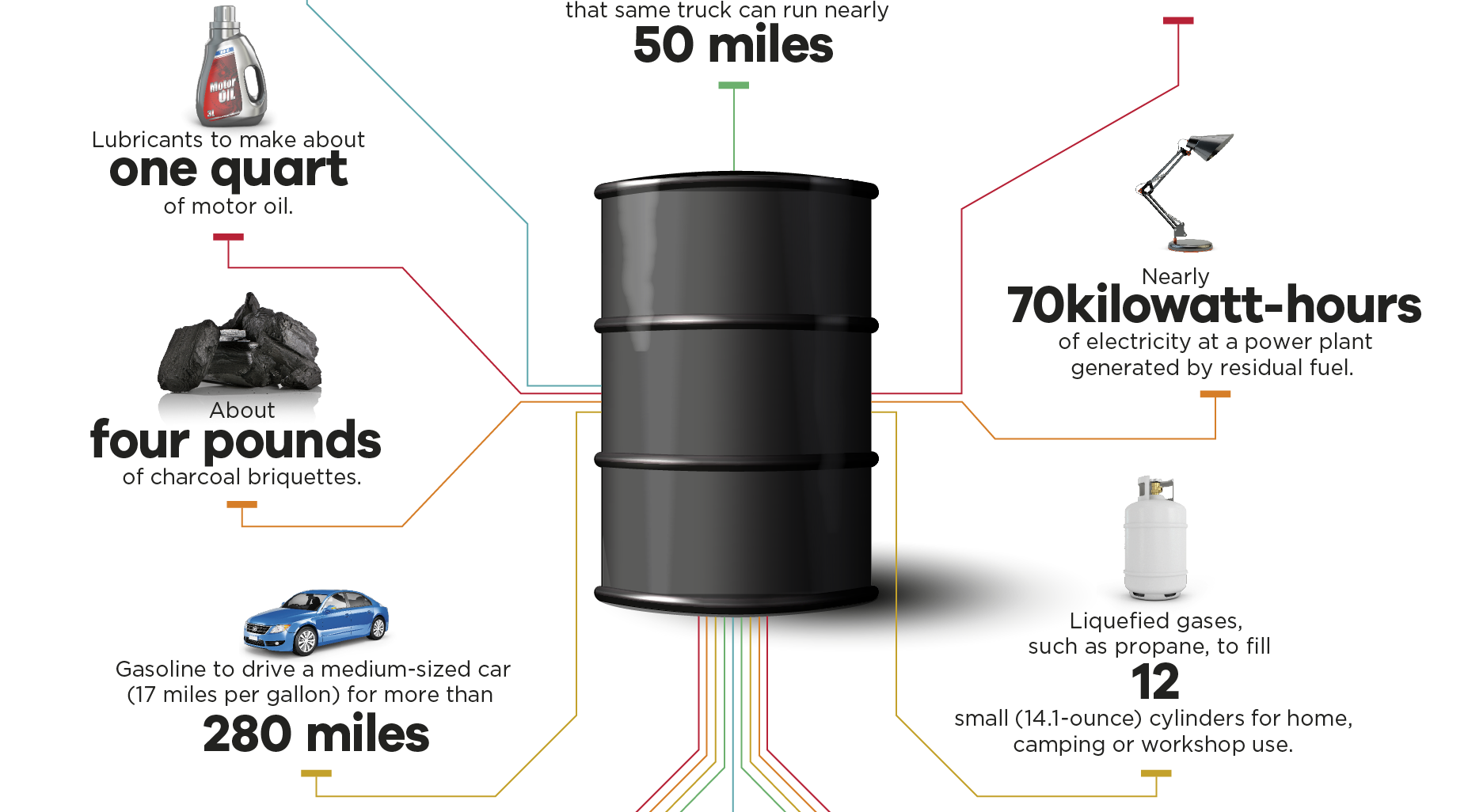
Then there are jet fuels, heating oil to keep homes warm, and various other petroleum products. Think about the asphalt on our roads, the lubricants that keep machinery running smoothly, and even the base ingredients for plastics, synthetic fabrics, and many medicines!
"It's truly amazing how much diversity and utility come from just one initial measure of crude."
That 42-gallon barrel is a veritable treasure chest of energy and materials. It highlights the incredible efficiency and versatility of crude oil as a resource, transformed into the building blocks of modern society.
From Underground to Everyday Life
So, the next time you fill up your car, or notice a durable plastic item, take a moment to appreciate the incredible journey. It started with a geological marvel, extracted by engineers, and measured by that quirky, historical unit: the 42-gallon barrel.
This measurement isn't just a boring statistic for economists. It's a key to understanding the sheer scale and ingenuity of the energy industry. It’s a nod to history, a practical solution born of necessity, and a universal symbol of global trade and resource management.
It’s a fun fact to share at your next gathering, especially if you want to sound particularly knowledgeable about the origins of our energy world. "Did you know a barrel isn't 50 gallons, or a nice round number? It's exactly 42 gallons!"
The journey of those 42 gallons is a testament to human ingenuity and our continuous quest for efficiency. From a dark, raw material to the highly refined products that shape our daily routines, it’s a story worth appreciating, filled with both history and modern science.
So next time you hear about a "barrel of oil," let that specific, unique number, 42 gallons, conjure up images of bustling 19th-century oil fields, clever pioneers, and the intricate processes that fuel our modern world. It’s a number that's anything but ordinary; it's a piece of living history!