On A Wall Plug Which Is Positive

Ever stared at a wall plug and wondered which side is the “good” side? Like, which hole gives the electricity the pep talk before it zips into your phone charger? Most of us plug things in without a second thought, trusting that the magical forces inside the wall will sort everything out. And for the most part, they do. But the world of electricity has a little secret: one side is kind of more "positive" than the other. Or rather, it's more... well, let's just say it has a stronger personality.
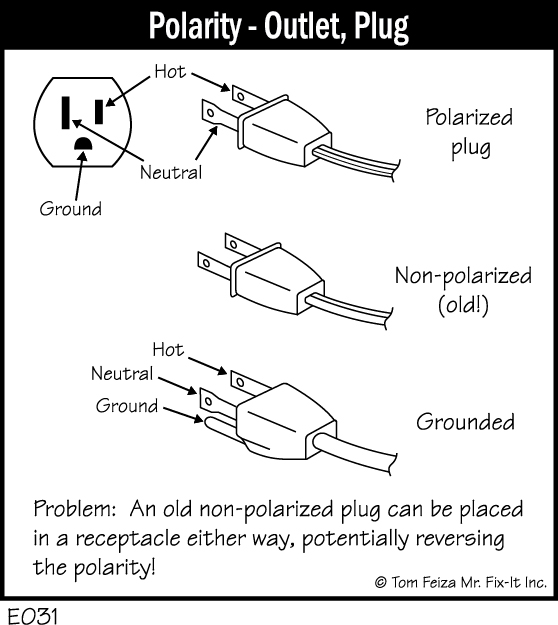
Now, before you start grabbing a voltmeter and embarking on an electrical adventure, let's clarify. We're not talking about the kind of positivity that involves sunshine and affirmations. We're talking about something called polarity. In your typical household outlet, you've got three holes: the two-pronged ones and the round one. The round one is ground, the unsung hero who keeps things safe. One of the flat prongs is slightly wider than the other, and that's the neutral. The other, smaller one is the hot – the star of our show. This is the one that’s, technically speaking, carrying the current.
A Tiny Difference That Makes a Big Impact (Sometimes)
Why does this matter? Well, for most modern appliances, it really doesn't. Your phone charger is smart enough to handle electricity coming in either way. But in the past, and even today in some specialized applications, this polarity thing was a bigger deal than a reality TV show finale. Think of old radios, or even some dimmer switches. Getting the polarity wrong could cause all sorts of mischief, from a little buzz to a full-on "Oops, I blew a fuse" moment.
Must Read
There's a charming story (probably apocryphal, but charming nonetheless) about a famous physicist, let's call him Professor Whizbang, who was obsessed with polarity. He supposedly went around his house, marking all his plugs with tiny, almost invisible dots to ensure everything was oriented correctly. His family allegedly rolled their eyes every time he pulled out his multimeter, muttering about "Whizbang's World of Perfectly Polarized Appliances." The thought of this eccentric professor, battling the forces of incorrectly oriented electrons, is strangely heartwarming, isn't it?
"Electricity is really just organized lightning," Professor Whizbang was rumored to say. "And you wouldn't want lightning going the wrong way, would you?"
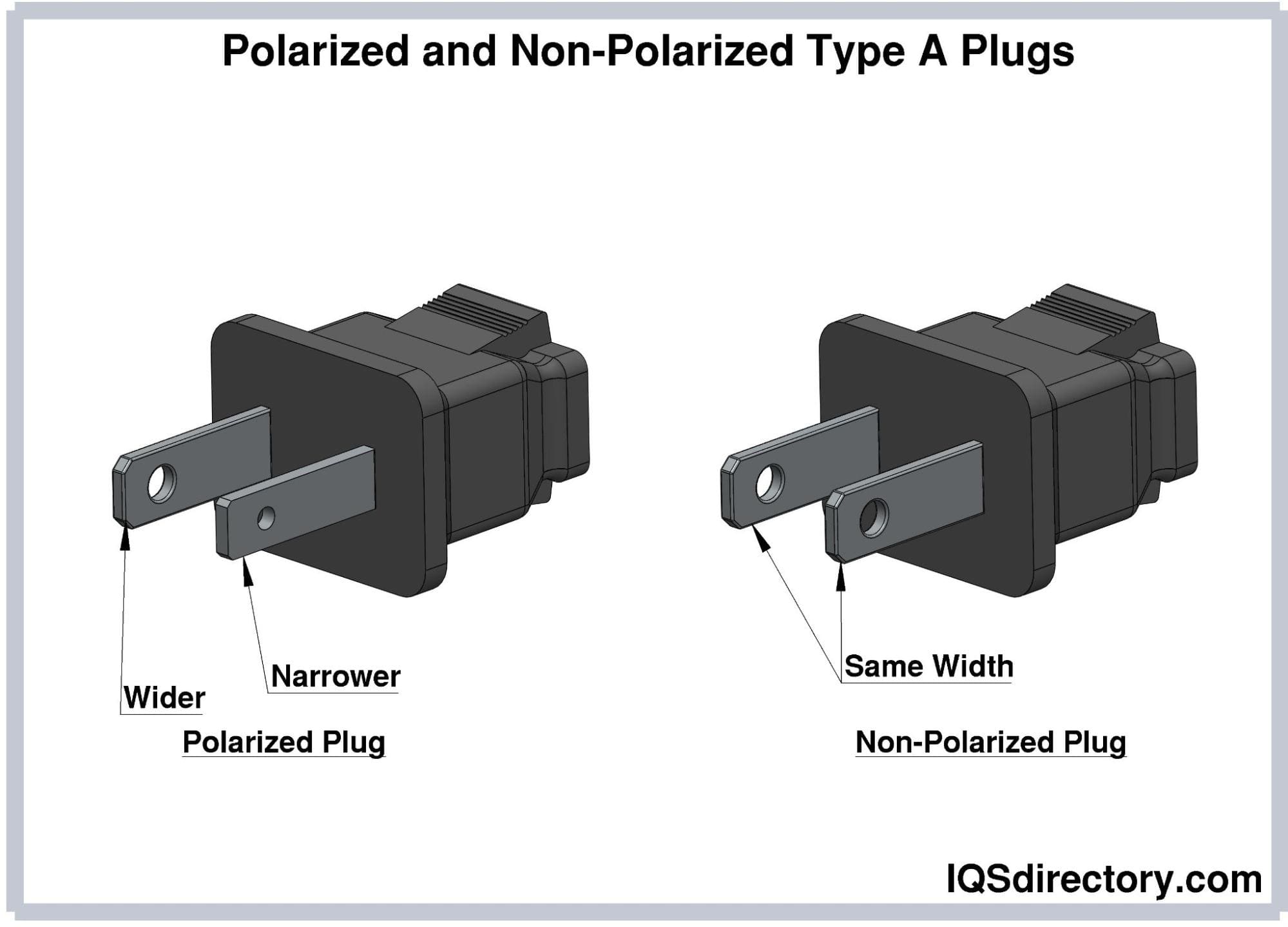
These days, outlets are designed with keyed plugs, meaning the wider prong can only fit in the wider slot. This helps to prevent accidental polarity reversals, saving us all from potential appliance anarchy. But even with these safeguards in place, the legacy of polarity remains. It's a reminder that even in the seemingly mundane world of wall plugs, there's a bit of history, a bit of physics, and maybe even a bit of Professor Whizbang's obsessive dedication to doing things "the right way."
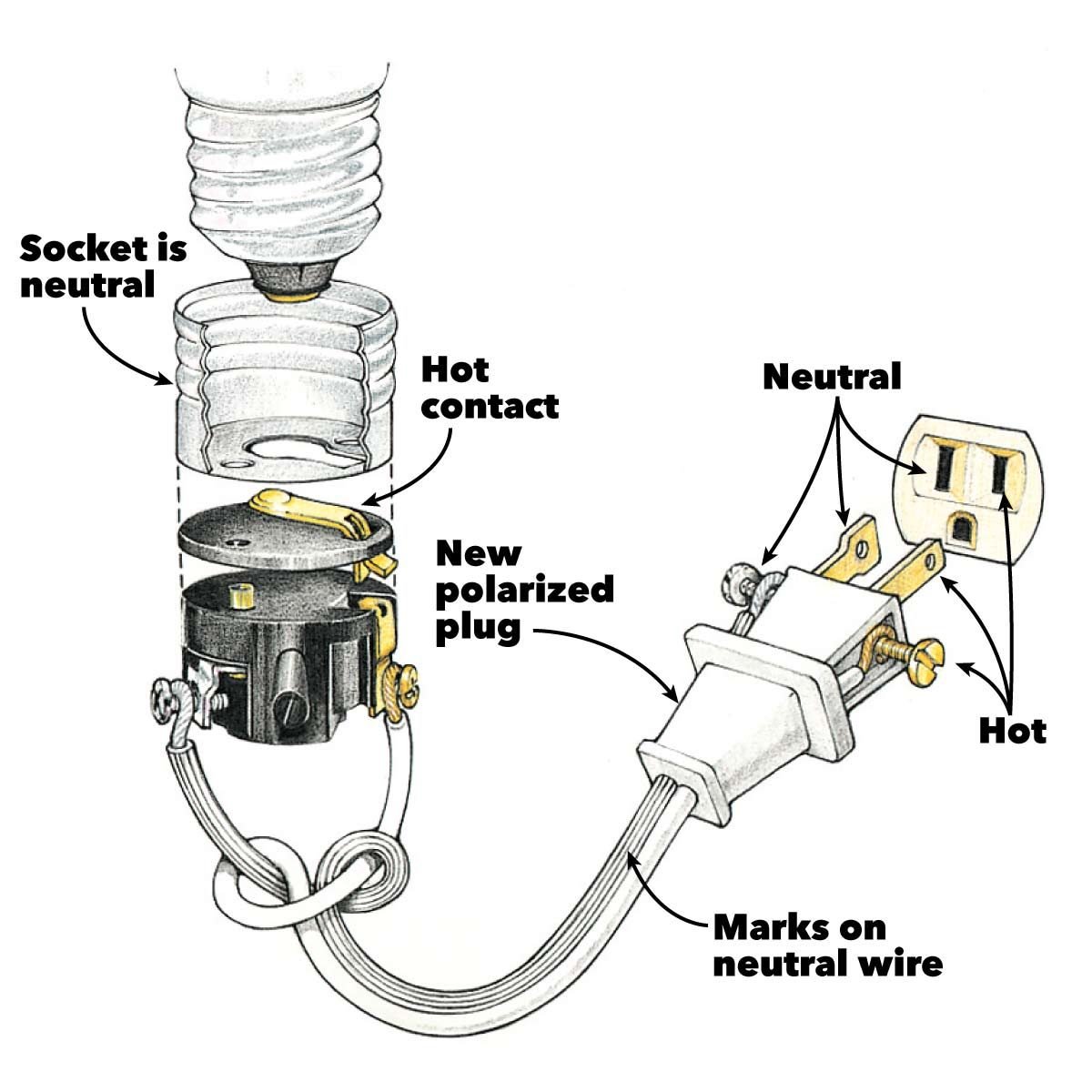
Consider the humble light switch. While you might flick it without considering the intricacies of electron flow, the proper polarity ensures that when the switch is off, the hot wire is truly disconnected. This little detail protects you from accidentally touching a live wire when changing a lightbulb. It’s a silent guardian, working behind the scenes, all thanks to a simple understanding of which side is, for all intents and purposes, the "positive" one.
So, the next time you plug something into the wall, take a moment to appreciate the subtle dance of electrons happening within. Remember Professor Whizbang and his quest for perfectly polarized appliances. And know that even though you probably don't need to worry about which side is which, there's a whole world of electrical history and quirky personalities hidden within that unassuming wall plug.
Who knew a wall plug could be so...electrifying?