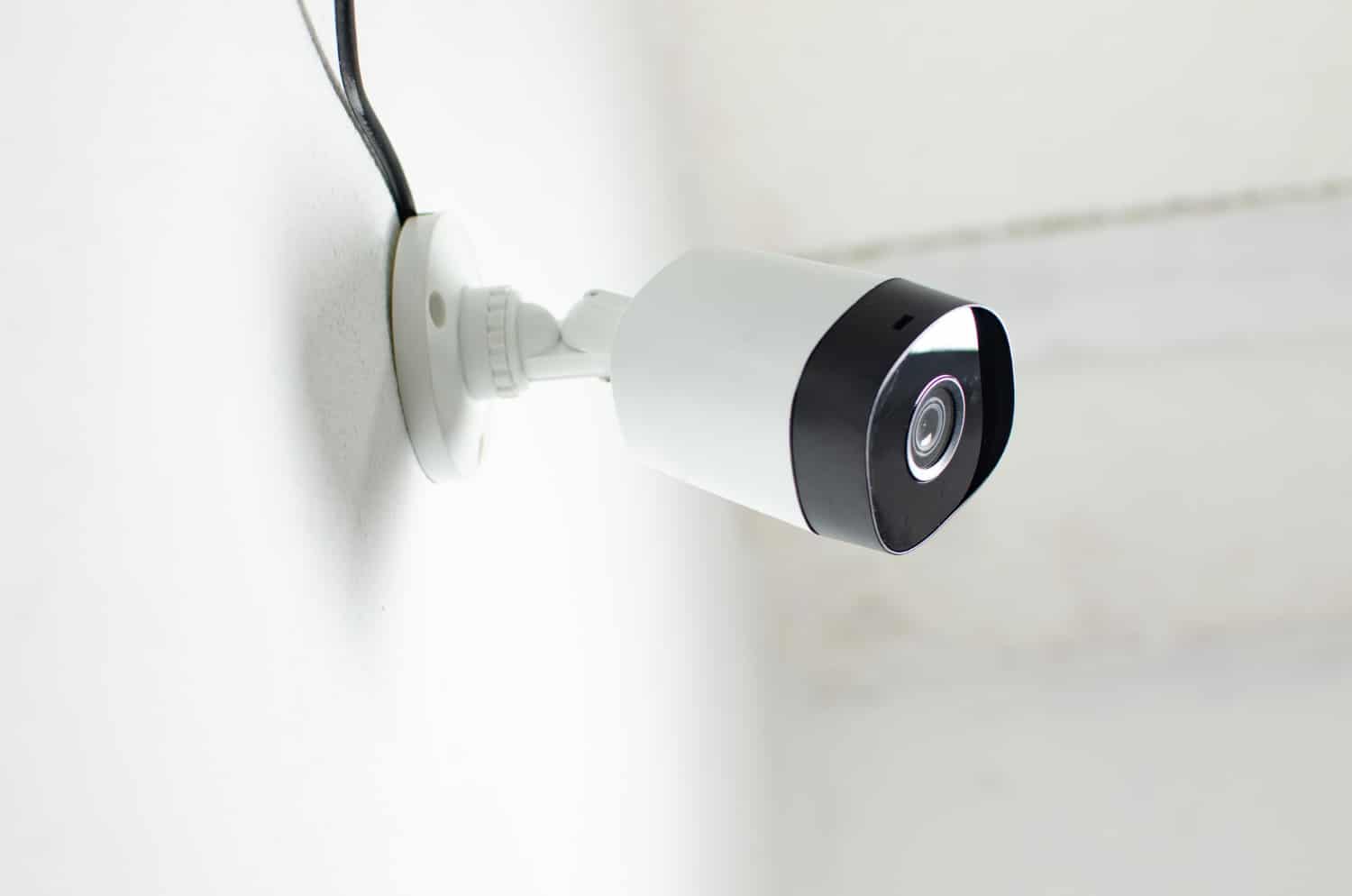
Multi-family Residential Video Camera Security
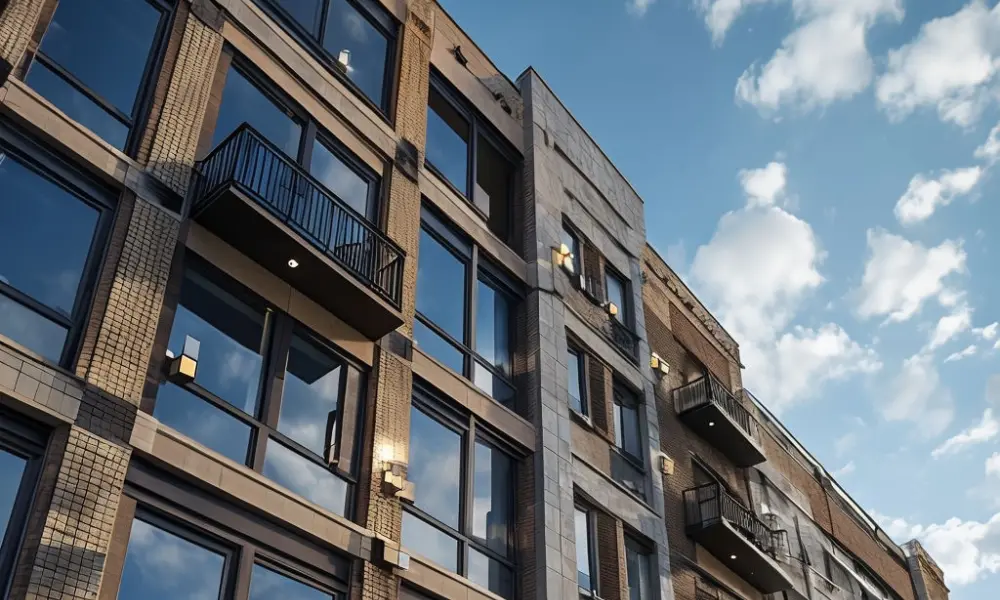
So, picture this. It was a Tuesday, the kind of day where you’re just cruising along, feeling good. I’d ordered a new gadget – nothing fancy, just a smart speaker – and the tracking said it was delivered. Excited, right? I bounded down to the lobby of my building, ready to connect with my new AI overlord, only to find… nothing. Zip. Zilch. My package was gone. Vanished into thin air, or so I thought.
I was fuming, picturing some porch pirate making off with my tech. But then, a thought sparked: my building, bless its modern heart, had recently upgraded its security. Specifically, they’d installed a new set of video cameras covering the main entrance and, crucially, the package delivery area. A quick chat with the building manager, a few clicks through some footage, and there it was: a perfectly clear, albeit frustrating, recording of someone not me, casually strolling off with my delivery. Turns out, it was a misdelivery, and the good samaritan (or rather, not-so-good samaritan) simply walked away with it. Point is, we had proof. We knew exactly what happened, and more importantly, who was involved.
That whole incident got me thinking, and it wasn’t just about my missing speaker. It highlighted something critical that often gets overlooked in the hustle and bustle of multi-family living: the sheer power of a good video camera security system. We’re talking about apartment complexes, condos, townhomes, all those places where you share walls, common areas, and a general sense of community.
Must Read
Why Video Cameras Are No Longer a "Nice-to-Have"
Let's be real, folks. In today’s world, security cameras aren’t just for banks or high-security government facilities. They're a fundamental piece of the puzzle for peace of mind right where you live. Think about it: hundreds, even thousands of people, moving in and out of a building daily. That’s a lot of activity!
First off, there’s the obvious: deterrence. Just seeing those little domes or bullet cameras often makes folks think twice before doing something they shouldn't. You know, like trying to swipe a package, or perhaps, attempting to sneak into the gym after hours. Cameras are like silent, ever-vigilant bouncers.

Then there’s the evidence side of things. Accidents happen. Disputes flair up. Bikes get stolen from the garage. Having clear, time-stamped footage can be a game-changer for insurance claims, police investigations, or even just resolving a disagreement between neighbors. No more "he said, she said" when there's a video saying "this is exactly what happened."
Where to Stick Those Eyes (Strategically, Of Course)
So, you’re convinced, right? But where do you even begin? It’s not about turning your building into a surveillance state, but about smart placement. You want to cover the hot spots, the areas where activity is high or vulnerability is greatest.
- Main Entrances and Exits: Obvious, I know, but crucial. These are your building's front doors to the world.
- Lobbies and Package Rooms: As my story proves, this is prime real estate for package theft. Keep a close eye here!
- Parking Lots and Garages: Fender benders, car break-ins, or even just disputes over parking spots. A camera here can save a lot of headaches.
- Common Hallways: Not just for crime, but for monitoring maintenance issues, or figuring out who keeps leaving their trash outside their door (you know the one!).
- Amenity Areas: Gyms, pools, clubhouses. Helps ensure rules are followed and property isn't damaged.
Ultimately, you want cameras in places where people have a reduced expectation of privacy. Think public-facing areas, not peeking into someone's window, obviously.

Beyond the Basics: Smart Tech and Those Pesky Privacy Concerns
Gone are the days of grainy, black-and-white footage that looked like it was shot on a potato. Modern multi-family camera systems are high-definition, often with night vision, and even advanced analytics. We're talking AI that can detect motion, differentiate between a human and an animal, and even send alerts to building management if something looks amiss. Some systems can even be accessed remotely, letting managers keep an eye on things even when they're off-site.
Now, I know what some of you are thinking: "Big Brother is watching!" And that’s a totally valid concern, isn't it? Privacy is important. That's why building management needs to be transparent about where cameras are, why they’re there, and how footage is used and stored. The key is to find that sweet spot between providing effective security and respecting residents' privacy. Most regulations focus on common areas, where there’s a general understanding that you might be seen.
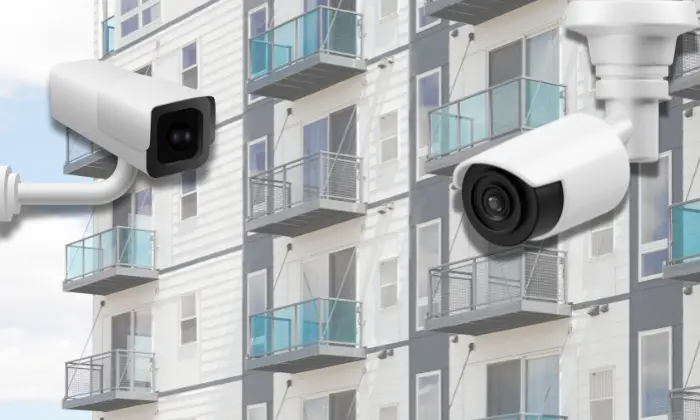
It’s about making residents feel safe, not watched. And honestly, most people appreciate the added security once they understand its purpose and limitations.
The Bottom Line
Investing in a robust video camera security system for multi-family residential properties isn't just about catching the bad guys after the fact. It’s about creating an environment that discourages crime, provides peace of mind, helps resolve disputes fairly, and ultimately, makes everyone feel a little more secure in their own home.
It's an investment in the collective well-being of the community. And for my money (and my smart speaker), that’s an investment well worth making. What do you think? Have cameras made a difference in your building?