
Motion Sensor Camera Outdoor Security

Alright, grab a coffee, settle in, because we need to talk about something both incredibly useful and occasionally hilarious: outdoor security cameras with motion sensors. You know, those vigilant little eyeballs that watch your house while you're busy... well, doing anything other than watching your house. They're not just for catching porch pirates; they're also your personal, unsolicited nature documentary crew, a silent arbiter of neighborhood drama, and occasionally, the bane of a very confused squirrel's existence.
Imagine this: You're at work, happily ignoring your overflowing inbox, when suddenly your phone pings. "Motion detected at your front door!" Your heart does a little jig. Is it a delivery? Is it a long-lost relative? Is it... oh, wait, no, it's just Brenda from next door trying to figure out if your new garden gnome is judging her begonias. And thanks to your camera, you've got the whole delightful saga on replay. Priceless!
Why These Little Spies Are So Cool (and Not Just for Laughs)
At their core, motion sensor cameras are your home's personal bodyguard who never sleeps, never asks for a raise, and definitely doesn't raid your fridge. Their main gig? To let you know when something's moving where it shouldn't be, or even where it should be but you just want to know about it. Think of them as your outdoor eyes, but with super-specialized infrared vision and an automatic recording function.
Must Read
Now, while the primary function is security – deterring potential ne'er-do-wells, providing evidence, and giving you peace of mind – the side effects are often pure comedic gold. One minute you're checking if the mail came, the next you're watching a raccoon attempt to scale your bird feeder like it's training for the Olympics. Spoiler alert: the bird feeder usually wins, but the effort is truly inspiring.
The Secret Sauce: How They "See" You (and the Squirrels)
Most common outdoor motion sensors work on a principle called Passive Infrared (PIR). This isn't some fancy laser grid out of a spy movie; it's much more subtle. PIR sensors detect changes in heat energy. Everything that has a temperature (like, you know, a living creature) emits some level of infrared radiation. When something warm moves into or out of the camera's field of view, the sensor notices the shift in infrared levels and BAM! Recording initiated.
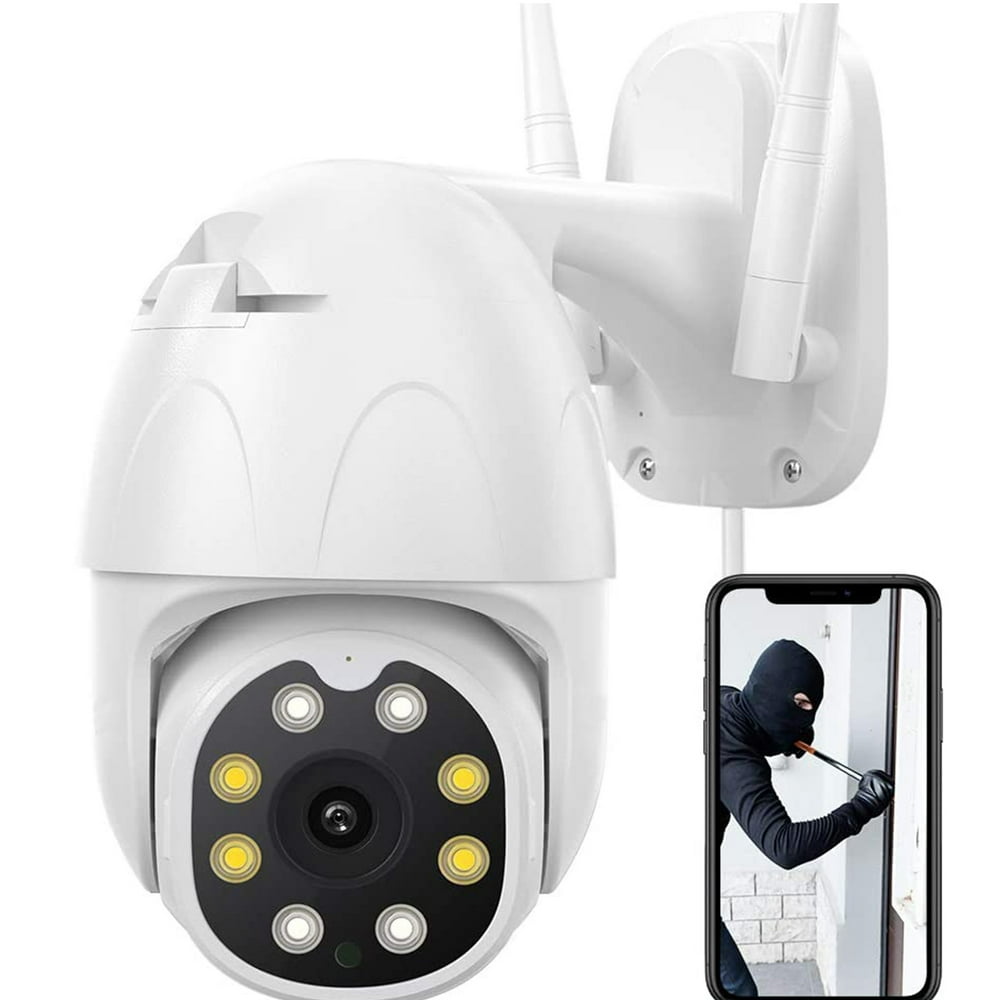
It’s why these cameras are generally great at detecting humans and animals, but less bothered by, say, a leaf gently drifting by. A leaf isn't exactly radiating body heat, is it? Though, to be fair, a really enthusiastic gust of wind rattling a whole bush can sometimes fool them. We call those "phantom intruder" alerts, and they provide excellent practice for your "what was that?!" reflexes.
Then there are the fancier types, like those using microwave or radar technology. These guys actually emit radio waves and detect changes in the reflection. Think of it like a tiny, personal sonar system for your backyard. They can sometimes "see" through thinner objects, which sounds great until your camera starts alerting you every time your neighbor sneezes. Balance is key!
And the crème de la crème? Cameras with AI detection. These aren't just looking for heat; they're learning! They can often differentiate between a human, a vehicle, and that same Olympic-training raccoon. This dramatically cuts down on those false alarms, meaning fewer "panic-check-the-feed-oh-it's-just-a-spider-web-in-the-wind" moments. It's like having a tiny, smart detective living on your eaves.
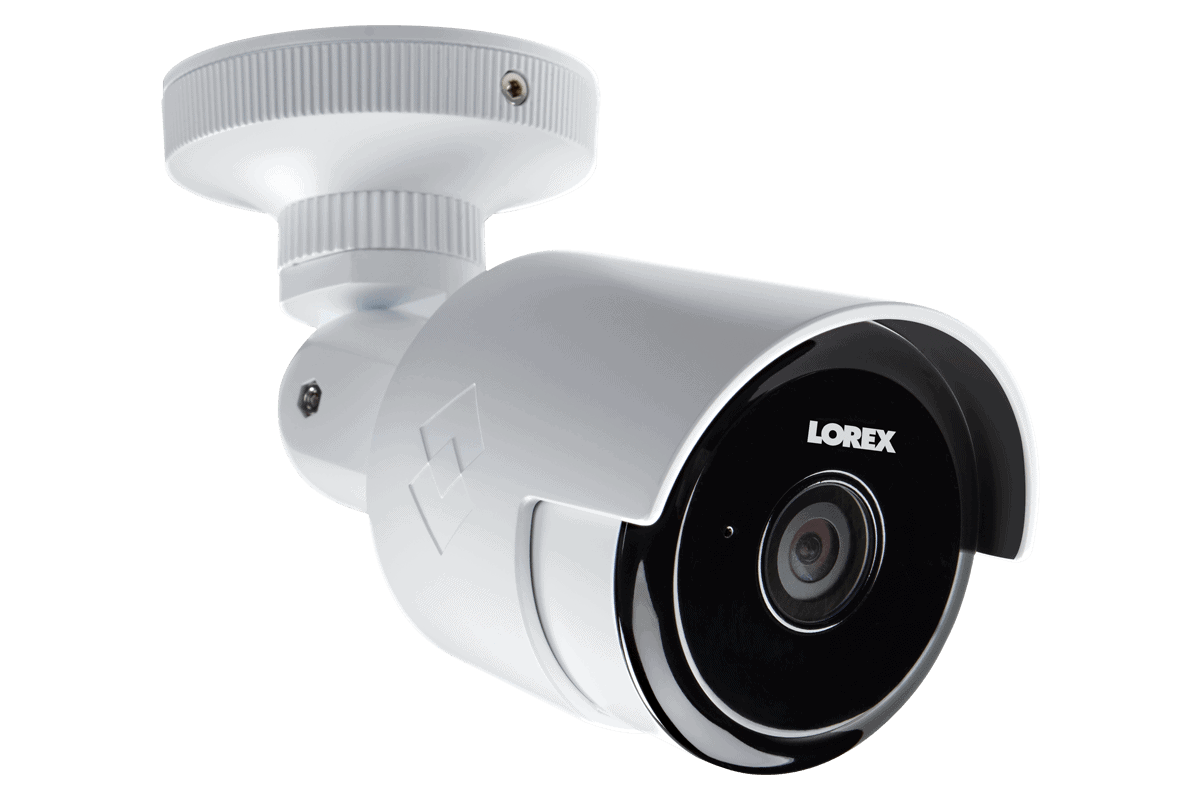
Picking Your Perfect Watchdog (Without Breaking the Bank)
So you're convinced. You want a tiny, vigilant spy camera. Great! Here’s what to ponder, with a dash of practical wisdom:
Resolution: Don't skimp here. You want to identify faces, not just "a blurry figure vaguely resembling a disgruntled garden gnome." Look for 1080p or higher. Trust me, clarity is king, especially when trying to prove it was not you who borrowed your neighbor's flamingo.
Field of View: This is how wide your camera can see. You don't want a camera that only captures the middle third of your driveway, leaving the escape routes pristine and unmonitored. A wider angle means fewer cameras needed, and fewer blind spots for mischievous squirrels to exploit.

Night Vision: Most shenanigans happen under the cloak of darkness. Good night vision is non-negotiable. Look for cameras with strong infrared LEDs for clear black-and-white (or even color, in some advanced models!) footage after sundown.
Weatherproofing: It's an outdoor camera, so it needs to brave the elements. Look for an IP rating (e.g., IP65, IP66). The higher the number, the more resistant it is to dust and water. You want it to survive a hurricane, not just a gentle spring shower.
Storage Options: Where does all that crucial footage go? Many cameras offer cloud storage (convenient, subscription fees) or local storage via an SD card (private, no fees, but if the camera is stolen, so is the evidence). Pick what fits your paranoia levels and budget.
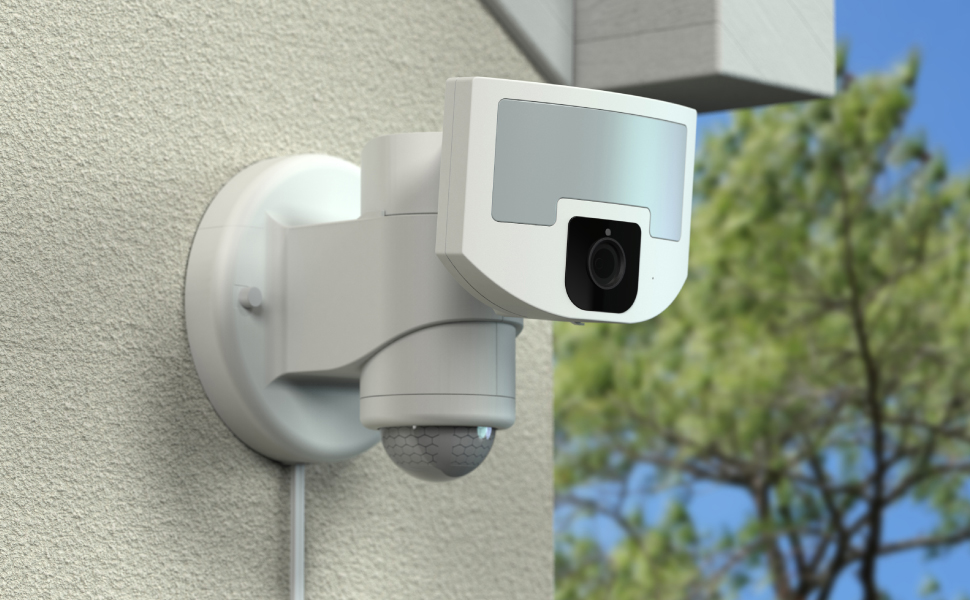
Connectivity: Most are Wi-Fi, which is generally easy. But check your signal strength where you plan to install it. Nothing worse than a smart camera that's too dumb to connect to your internet.
The Joy (and Minor Annoyances) of False Alarms
Let's be real, even the best motion sensor cameras aren't perfect. You'll get alerts for moths that look like bats in the moonlight, shadows that stretch and sway dramatically, and the occasional spider deciding your lens is the perfect place to build a new web-mansion. It's all part of the charm! Most systems allow you to adjust sensitivity or create "activity zones" to ignore busy areas, helping cut down on the unnecessary drama.
Ultimately, these little sentinels offer a fantastic blend of practical security and unexpected entertainment. They stand guard, offer peace of mind, and occasionally provide you with compelling evidence that your cat is, in fact, secretly planning world domination from your patio. So go on, embrace the future of home monitoring. Your inner detective (and your giggle reflex) will thank you.